Portuguese
  Spanish


Symbolic capital recognizes Bahia’s role in the consolidation of Independence, without changing Brasília as the official seat of the federal government.
A decision of strong historical value was formalized by the Federal Government, establishing Salvador as the symbolic capital of Brazil every July 2nd, starting in 2026.
The measure was sanctioned by President Luiz Inácio Lula da Silva and published in the Official Gazette of the Union on July 2, 2026, according to the Federal Senate and the Presidential Office.
Despite the symbolism, the law does not change the seat of the federal government. Therefore, Brasília remains the official capital of the country and maintains the operation of federal agencies.
-
Coffee Grounds Find New Purpose Beyond Waste in Innovative Uses

-
Brazilian Entrepreneur Revives Used Cookware, Now Earning $10,000 Monthly at 41

-
Bottle Caps in the Garden: A Creative Solution You Won’t See the Same Way Again
-
Brazilian Producer Adopts Hydroponic Strawberry Farming in Western Paraná, Achieving Year-Round Harvests and Becoming a Model for Continuous Production



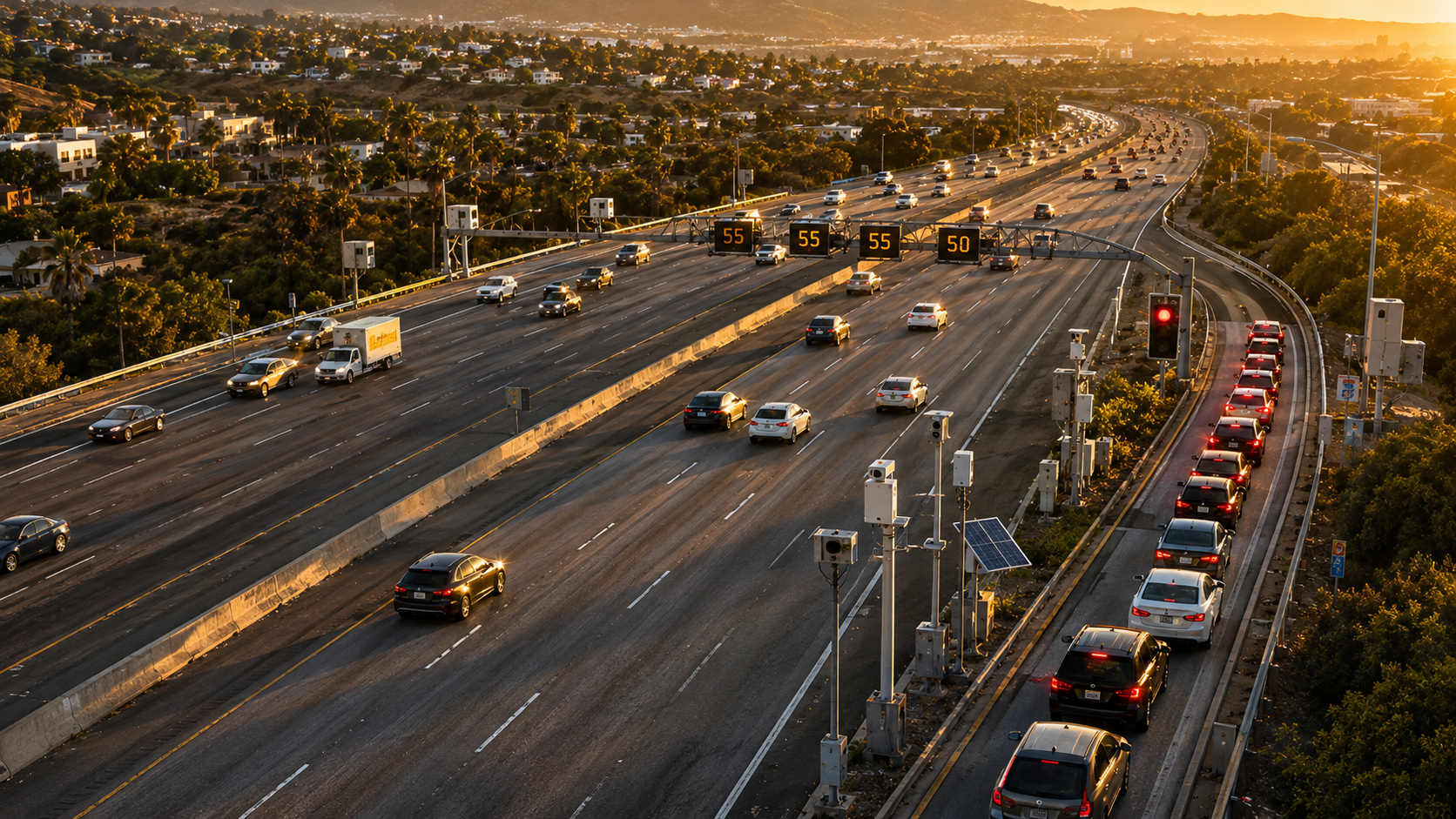
The change, however, allows for official acts to be carried out in Salvador on the date that celebrates the consolidation of Brazil’s Independence in Bahia.
Historical recognition values Bahia’s role
The choice of Salvador is directly linked to July 2nd, a date celebrated by the people of Bahia as a decisive milestone of Independence.
September 7, 1822 continues to be remembered as the Proclamation of Independence. However, the historical process did not end on that day.
In practice, Portuguese troops remained in Brazil. Therefore, Bahia experienced intense battles for almost a year.
Only on July 2, 1823, with the definitive departure of Portuguese troops from Salvador, was Independence consolidated in the region.
Thus, the new law seeks to give greater national visibility to the role of the Bahian people in this historical process.
What changes with Salvador as the symbolic capital?
In practice, the change is symbolic and institutional.
Salvador will be able to host ceremonies, official acts, and events related to the federal government on July 2nd.
Additionally, the organization of programming, logistics, and security will be the responsibility of the Executive Branch.
This coordination should involve the other branches of government, the state government, and the city hall of Salvador.
Therefore, the measure does not transfer ministries, secretariats, or permanent structures from Brasília.
Chronology of the federal decision
First, in 2025, the Federal Government presented the proposal to recognize July 2nd as a national date.
Then, the theme advanced in the Chamber of Deputies and the Federal Senate, according to records from the Chamber Agency and the Senate Agency.
Subsequently, the proposal was approved by the National Congress.
Finally, on July 2, 2026, the presidential sanction confirmed Salvador as the symbolic capital of Brazil every year on this date.

Symbolic transfer of the capital is not unprecedented
Despite the repercussion, the symbolic transfer of the federal government’s seat outside Brasília is not new.
According to the Agência Brasil, Salvador has already hosted federal acts during the government of Itamar Franco.
On that occasion, the city hosted the 3rd Ibero-American Conference of Heads of State and Government.
Furthermore, in 2025, Belém temporarily received the federal government’s seat due to COP30.
These episodes show that the practice can be used on dates or events of great national relevance.
Why does July 2nd matter to Brazil?
July 2nd represents the withdrawal of Portuguese troops from Salvador in 1823.
The date also reinforces the popular, military, and regional participation in the construction of Brazil’s Independence.
Thus, the law does not replace September 7th.
On the contrary, it broadens the historical understanding of the Independence process, highlighting that the break with Portugal had several stages.
The future of the celebration in Salvador
From now on, Salvador will occupy an even stronger symbolic place in the Brazilian civic calendar.
With this, the city gains national prominence during the July 2nd celebrations.
Bahia also has its historical role officially recognized by the Brazilian State.
While Brasília remains the administrative capital, Salvador will be remembered annually as a decisive stage in the consolidation of Independence.
Do you think July 2nd should receive more national prominence in schools, books, and official celebrations in Brazil? Share your opinion!