






 Portuguese
  Spanish
  3 min of reading
  0 comments


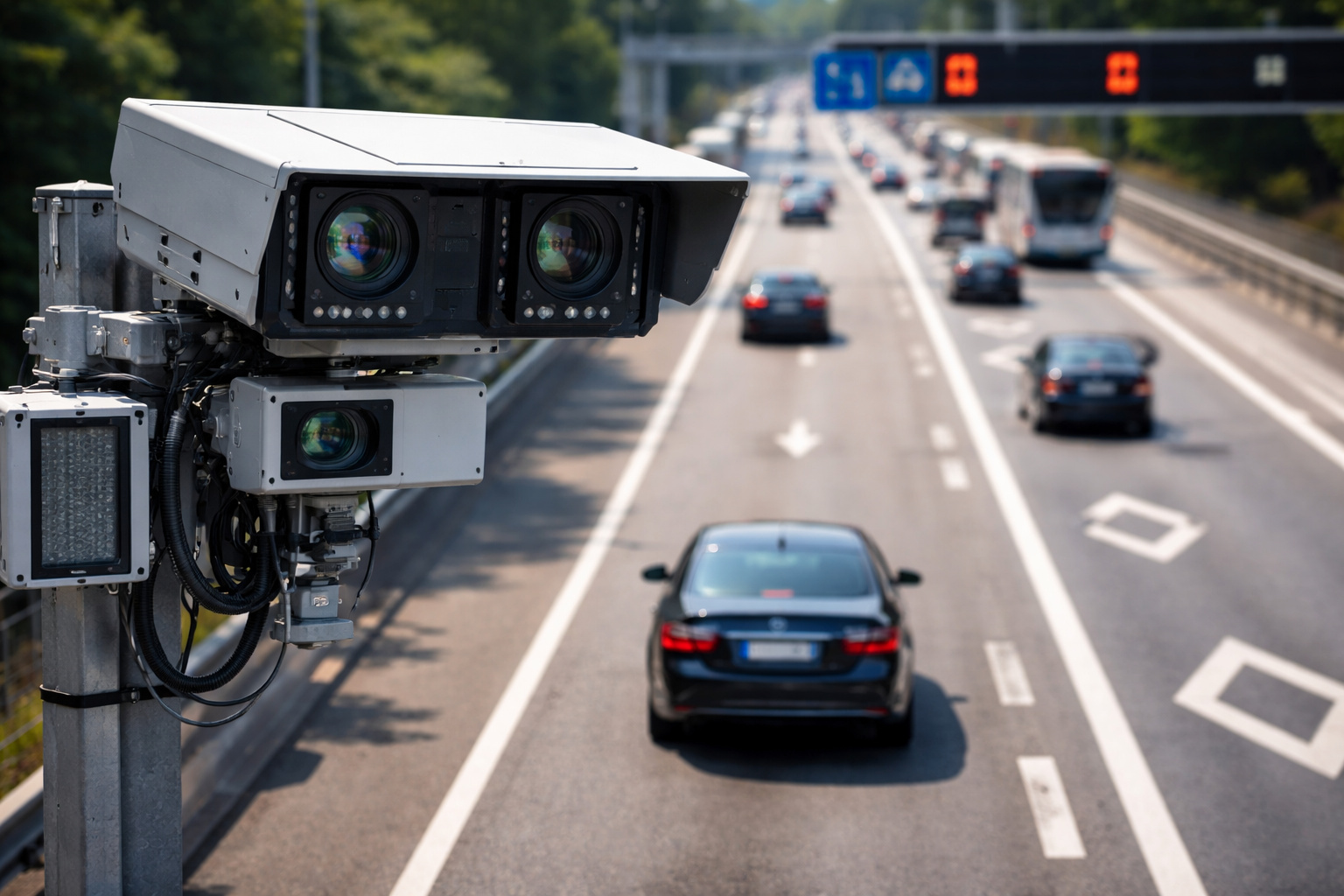
Technology applied by DGT identifies occupants, automates fines, and reinforces urban mobility rules in strategic corridors
A recent change in the European traffic enforcement system introduced the use of traffic radars capable of identifying drivers traveling alone in certain exclusive lanes.
This measure was implemented by the Directorate-General for Traffic (DGT), especially on busy roads like the A-2 motorway in Madrid, where specific circulation rules are applied.
The new system uses smart cameras with image recognition technology, which analyze the interior of vehicles.
As a result, the equipment checks the number of occupants and automatically records violations, without the need for police intervention.
Operation of smart radar in exclusive lanes
The radar model was developed to operate primarily in BUS-VAO lanes, designated for buses and vehicles with more than one occupant.
In these lanes, drivers traveling alone are identified by the system and, consequently, fined.
-
Why can the crane operator only obey the correct signalman on the construction site: among dozens of workers, a hand raised by the wrong person can confuse the maneuver and turn a load of tons into an immediate risk.

-
What changes with the new public transportation rules that can reduce pressure on fares and pave the way for zero fare in Brazil?
-
Argentina confirms Belgian giant to lead strategic Paraná River waterway and promises to reduce logistical costs on one of South America’s most important routes
-
MBRF surprises the logistics sector by demonstrating how Artificial Intelligence can directly influence deliveries throughout Brazil by reorganizing distribution routes in seconds, optimizing fleet usage, reducing logistics costs, and speeding up product arrivals even in the face of unforeseen road incidents.

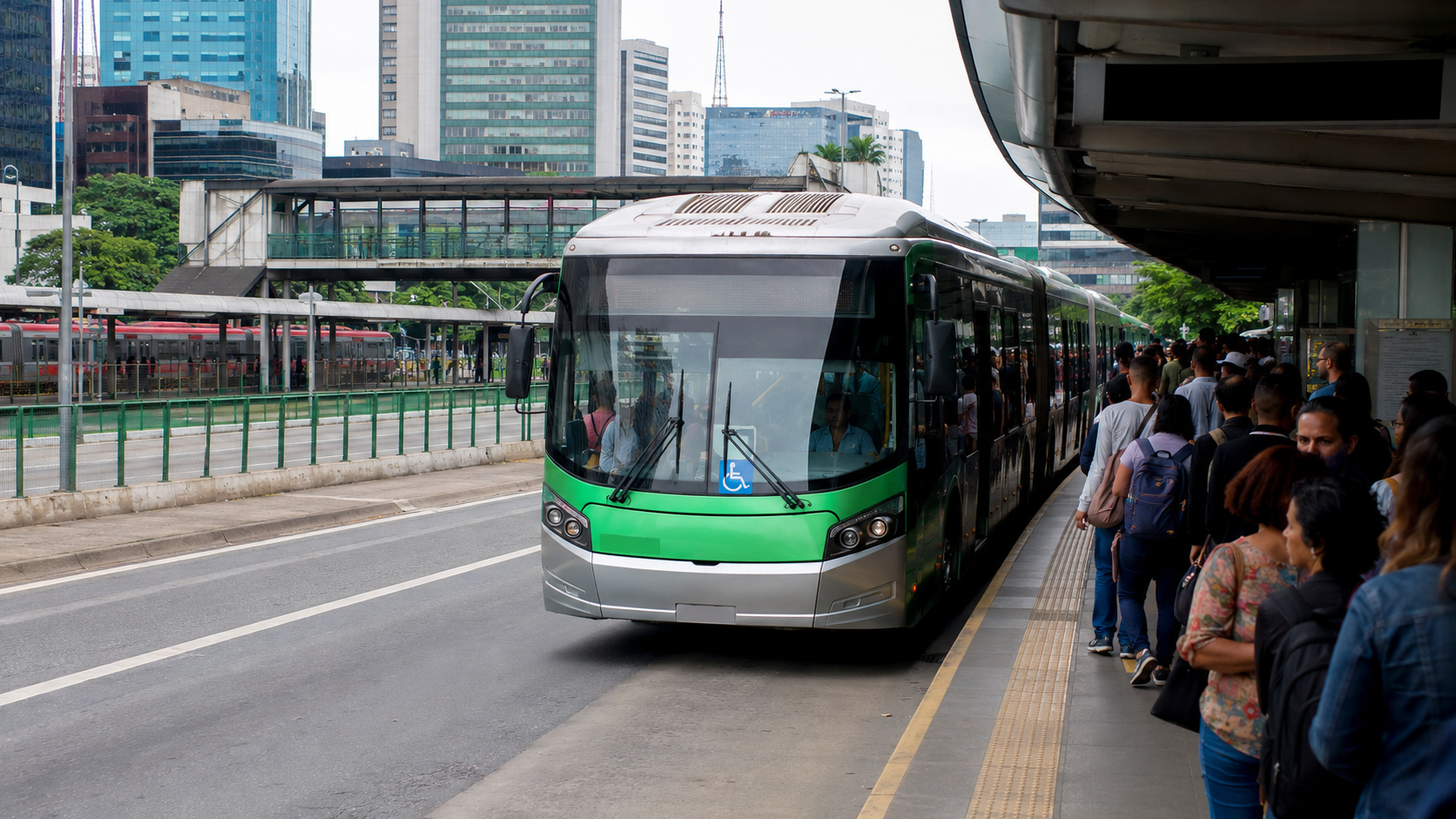


The violation is recorded automatically, which increases the efficiency of enforcement.
The fine can reach 200 euros, according to the rules established by the DGT.
Importance of BUS-VAO lanes in urban mobility
The BUS-VAO lanes are part of an urban mobility strategy that aims to reorganize the flow of vehicles.
These lanes are designated for vehicles with a minimum occupancy, encouraging shared use and public transport.
Among the main objectives of these lanes are:
- Reduce congestion during peak hours
- Decrease the emission of polluting gases
- Encourage shared vehicle use
- Prioritize public transport
Electronic enforcement ensures that these rules are continuously followed.

Penalties applied by the Directorate-General for Traffic
The misuse of exclusive lanes is considered a relevant violation by the DGT.
The penalties are applied automatically by monitoring systems.
The main measures include:
- Fine of up to 200 euros per infraction
- Automatic registration of the irregularity by radar
- Continuous monitoring on busy roads
- Expansion of electronic control in urban traffic
This model increases the efficiency of control and reduces the need for direct intervention.
Situation of radar technology in Brazil
In Brazil, traffic radars are still primarily used for speed control and running red lights.
The country already has real-time monitoring systems and smart cameras.
However, technologies capable of identifying the number of occupants in vehicles are still not widely used.
The adoption of such systems depends on adjustments in legislation and investments in infrastructure.
Comparison between Brazil and Europe in the use of technology
Spain is already investing in automated monitoring and technological innovation in traffic.
Brazil, on the other hand, is still in the adaptation phase in this field.
Despite the differences, both countries share similar objectives.
The reduction of accidents, improvement of urban mobility, and increase of road safety remain priorities.
The advancement of these technologies points to a scenario of greater control and efficiency in traffic.
In light of this, do you think Brazil will be able to adopt, in the future, systems similar to those currently used in Europe?





Be the first to react!