Portuguese
  Spanish


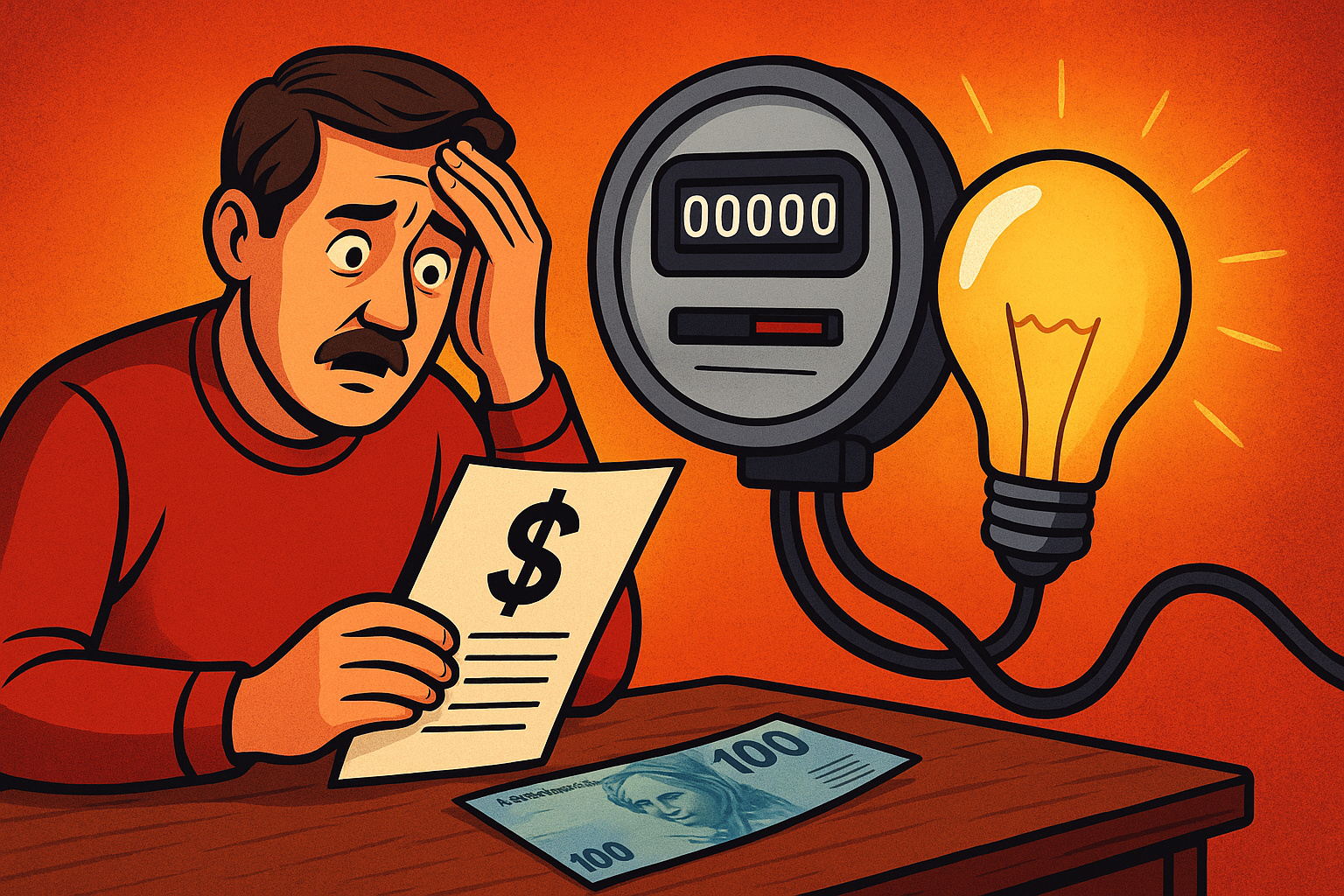

New Social Tariff Can Reduce or Even Eliminate the Electricity Bill for Millions of Families in Brazil, Providing an Unprecedented Social Benefit.
Relief on the Electricity Bill: Who Is Eligible and What Changes
The Chamber of Deputies approved, this Wednesday (17), the Provisional Measure that creates a new social tariff for electricity. The program may benefit up to 60 million Brazilians, providing larger discounts on the electricity bill. The measure will still be analyzed by the Senate, but it already indicates important changes.
Among the new features is the full discount for low-income families registered in the Cadastro Único (CadÚnico), as long as consumption does not exceed 80 kWh per month.
Additionally, a new social benefit will be allocated to families with income between half and one minimum wage per capita, creating a transitional phase to avoid a sharp increase in tariffs.
-
Brazilian City Makes Remarkable Leap, Becomes 4th Wealthiest in the Country with GDP of R$ 134.1 Billion

-
Controversial 6-day Workweek Elimination in Brazil Faces Economic Criticism Over Productivity Claims

-
Itaú to Refund Customers After 14 Years of Unauthorized Credit Card Charges; Agreement Includes No Interest or Adjustments, Deadline by 2028, with Potential Impact of Up to $6.5 Billion

-
Brazilian Company Grows from Bartering Soap for Food to Producing 30 Million Units Monthly, Challenges Global Giants with $100 Million Revenue and Expands into Premium Cosmetics


How the New Social Tariff Works
The approved rule expands access criteria and changes the calculation method of the discount. Now, there will be total exemption from the electricity bill for up to 80 kWh per month:
- Families from CadÚnico with a monthly income of up to half a minimum wage per person.
- Senior citizens and people with disabilities receiving the Continuous Cash Benefit (BPC/Loas).
- Indigenous and quilombola families registered in CadÚnico.
- Families served in isolated systems, without connection to the national electric grid.
In practice, if a family consumes 100 kWh per month, 80 kWh will be free, and only the remaining 20 kWh will be charged.
Difference from the Previous Model
Currently, discounts vary according to monthly consumption. The current model provides:
- Up to 30 kWh: 65% discount.
- From 31 to 100 kWh: 40% discount.
- From 101 to 220 kWh: 10% discount.
With the change, the impact will be immediate. A family that consumes about 150 kWh per month, for example, will now receive a 60% discount on the electricity bill, while previously they would have only 10%.
Social Discount: New Transitional Phase
Another innovation is the social discount, aimed at families with income between half and one minimum wage per person, registered in CadÚnico, and consuming up to 120 kWh monthly.
In this case, families will be exempt from paying the Electricity Development Account (CDE), a charge that represents about 12% of the electricity bill. The goal is to reduce the tariff impact and provide a fairer transition between the social tariff and the conventional tariff.
Why the Change Is Important for Brazil
The government highlights that expanding the social tariff is essential as it guarantees access to electricity as a basic right and also helps reduce social inequalities. On the other hand, lawmakers supporting the proposal emphasize that the measure also strengthens the safety net for families in vulnerable situations.
Thus, the expectation is that, after final approval in the Senate, the discounts will take effect permanently throughout Brazil, easing the electricity bill for millions of consumers.