Portuguese
  Spanish


The case of the secret apartment in the mall exposed a hidden area of the Providence Place Mall, became an urban critique and showed how large buildings can hide invisible spaces while housing remains a problem in cities
A secret apartment in the mall operated for four years inside the Providence Place Mall, in Rhode Island, United States. The clandestine space was created by eight artists in an area out of the common sight of customers, stores, and daily circulation.
The occupation took place between 2003 and 2007 and transformed a hidden part of the building into an environment for socializing, artistic creation, and domestic use. The investigation was published by Architectural Digest, a magazine specializing in architecture and design.
The case draws attention because it combines urban housing, consumption, art, surveillance, and the use of empty spaces. At the same time, it is important to make clear: the action was clandestine and should not be treated as a model for housing or a legal solution to the lack of homes.
-
21-Year-Old Brazilian Student Turns Homemade Popsicle Hobby into $100,000-a-Month Business

-
Australia Dumps Hundreds of Thousands of Tons of Gravel into Rivers to Restore Natural Barriers and Reverse 150 Years of Erosion

-
Bird-Inspired Robot Glides on Air Currents up to 10 m/s, Balances Itself, and Aims to Save Energy in Industrial Inspections and Meteorological Balloons
-
Artist Lives in Giant Wooden Egg Over a UK River to Observe Tides and Environmental Changes


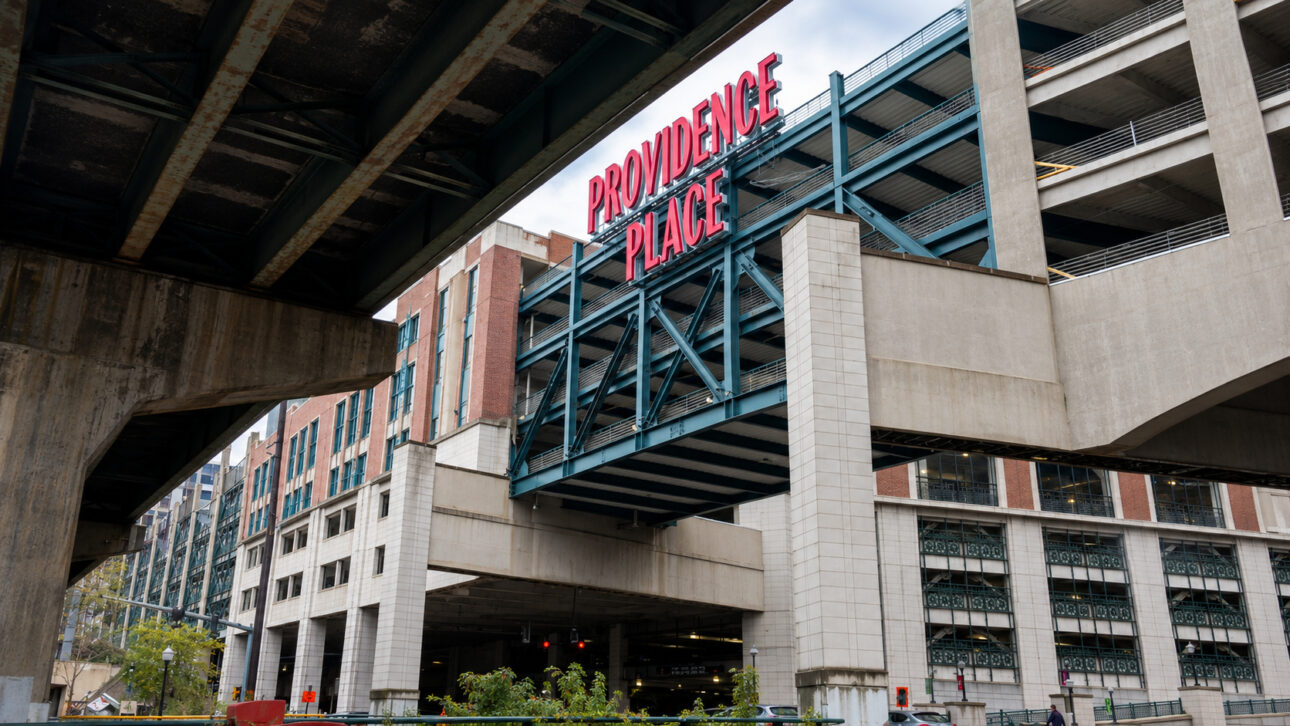
The mall continued operating while the clandestine apartment existed out of sight of consumers
The Providence Place Mall received visitors, stores operated, and consumers circulated through the corridors while a hidden area was used as an apartment. The scene seems like a movie script, but it happened within a real commercial structure.
The space was out of the common path of the public. In large constructions, there are internal corridors, technical areas, and little-seen parts that are not part of the normal experience of those who enter to shop, eat, or stroll.
It was in this hidden leftover that the artists set up the environment. The clandestine apartment had furniture, household objects, and was used as a meeting place. The existence of the space showed a simple contradiction: huge buildings can have empty areas while the city faces a lack of space to live and create.
The idea was born after the loss of an artistic space in Providence
The story is connected to Fort Thunder, an artistic community that operated in an old warehouse in Providence. The place marked the lives of the city’s artists but ended up being vacated and demolished.
After that, part of the group began to see the mall as a symbol of an urban change that was removing old creative spaces from the center of local life. The secret apartment was born from this tension between city, consumption, and loss of communal spaces.
This point helps to understand the action without oversimplifying. For the artists, the occupation was also a provocation. For the building’s management, it was the use of a private area without authorization.
Michael Townsend identified the hidden area and the group transformed the building’s leftover space into an improvised dwelling
Michael Townsend, an artist connected to the project, had followed the construction of the Providence Place Mall. This memory helped in identifying the area that later became the secret apartment.
Architectural Digest, a magazine specializing in architecture and design, detailed that the space received reinforced walls, a locked door, furniture, and items purchased in the mall itself. The idea was to create a domestic environment within a place made for consumption.
The group also used lighting and equipment to make the space more habitable. Even so, there was no authorization to live there. The apartment was clandestine and existed in a hidden zone of the construction.
For four years, the place served as a space for socializing and artistic creation within a giant commercial structure
Between 2003 and 2007, the artists used the apartment as a space for permanence, socializing, and creation. The occupation was not a formal residence but functioned as a private place within a building open to the public.
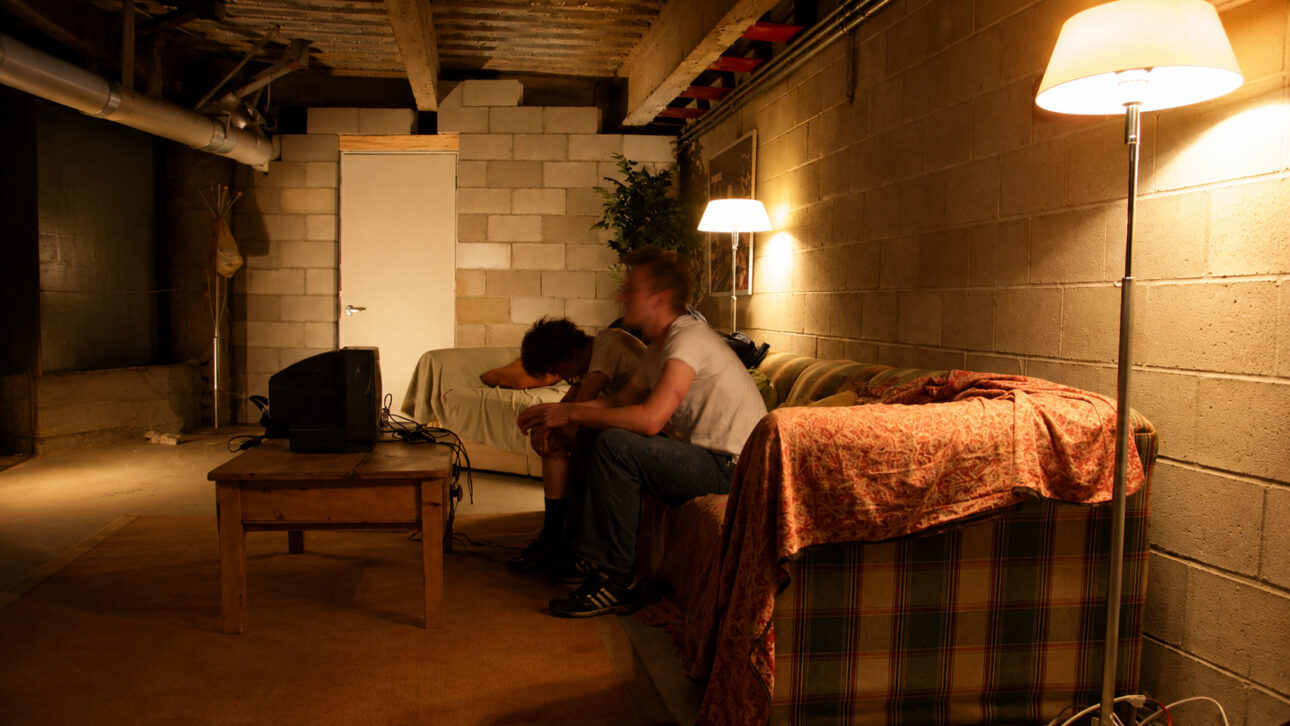
This mix makes the case so curious. On one side, there were shop windows, corridors, and consumption. On the other, hidden behind the mall’s routine, there was a kind of domestic room where the group spent part of their time.
The case gained traction because it reveals something that many people don’t notice: large urban constructions are not always fully utilized. Some areas become invisible, without a clear function for the public, even within busy buildings.
The discovery in 2007 ended the occupation and made clear the difference between protest and legal authorization
The experience ended in 2007, when Michael Townsend was caught and charged with trespassing. This outcome showed the legal limit of the action, even if it had artistic and critical intent.
The occupation can be read as a protest against gentrification. In simple terms, gentrification happens when an area of the city becomes more expensive and old groups end up losing space. Artists, small businesses, and residents can be pushed out.
Even so, the secret apartment was not a regular housing solution. It existed without permission, inside a private building. Therefore, the story provokes debate but cannot be presented as a safe or legal example to be repeated.
The case reveals how empty spaces can become a symbol of an unequal city
The secret apartment at Providence Place Mall became a symbol because it raises an uncomfortable question. How can a large structure hide areas without a clear use while so many people struggle to find housing?
The answer is not simple. Malls, commercial buildings, and large developments follow their own rules, have owners, and security areas. However, the case shows how the city is also made up of spaces that the public almost never sees.
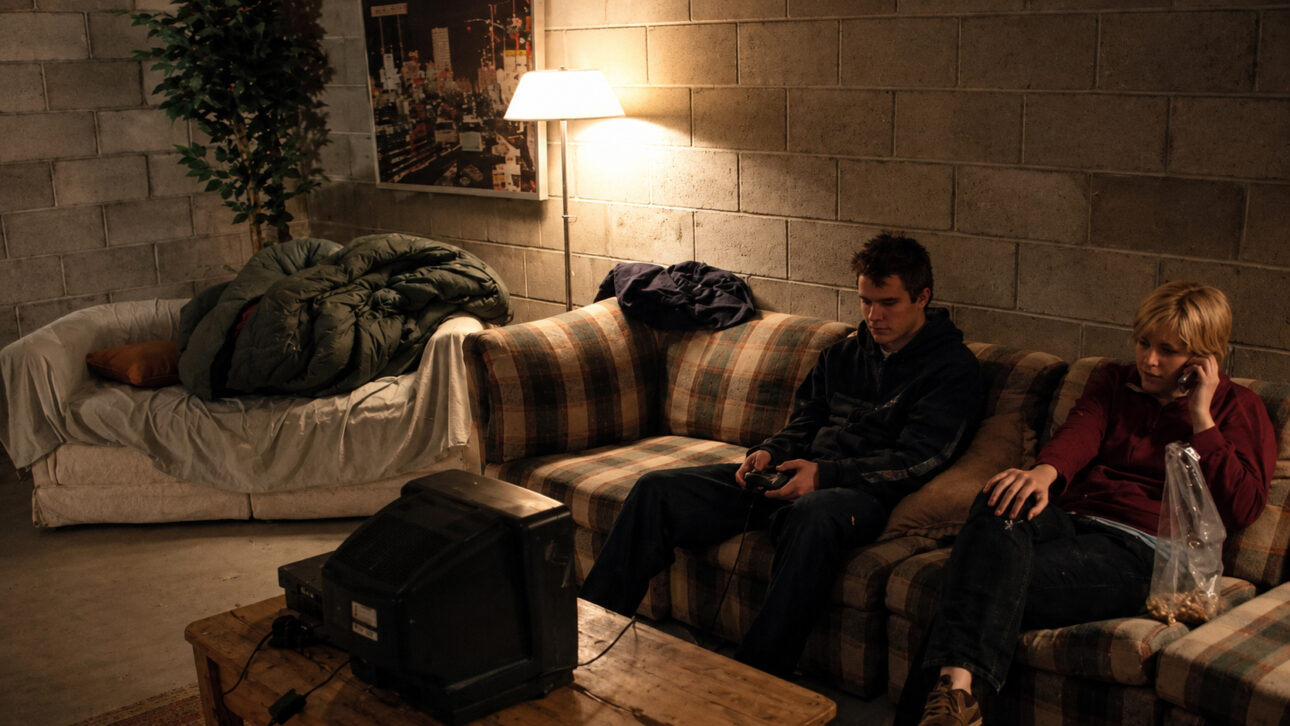
For the Brazilian reader, the story is interesting because it speaks of something common in many cities: large buildings, closed areas, high cost of living, and lack of housing solutions. The case happened in the United States, but the discussion about intelligent use of urban space crosses borders.
The secret apartment in the mall continues to attract attention because it mixes curiosity, city, and social critique
The story of the eight artists who lived hidden in a clandestine apartment of almost 70 m² inside a functioning shopping mall continues to draw attention because it seems unlikely, but it happened between 2003 and 2007.
The episode should not be romanticized as a consequence-free adventure. It serves better as a warning about the invisible spaces in cities, the pressure for housing, and the contrast between consumption, private property, and the real use of buildings.
If an empty area within a building can go unnoticed for years, does it reveal urban waste, a failure of surveillance, or a lack of imagination about housing in cities? Share your opinion and share this story with those who like architecture, construction, and curious real facts.