






 Portuguese
  Spanish
  4 min of reading
  0 comments


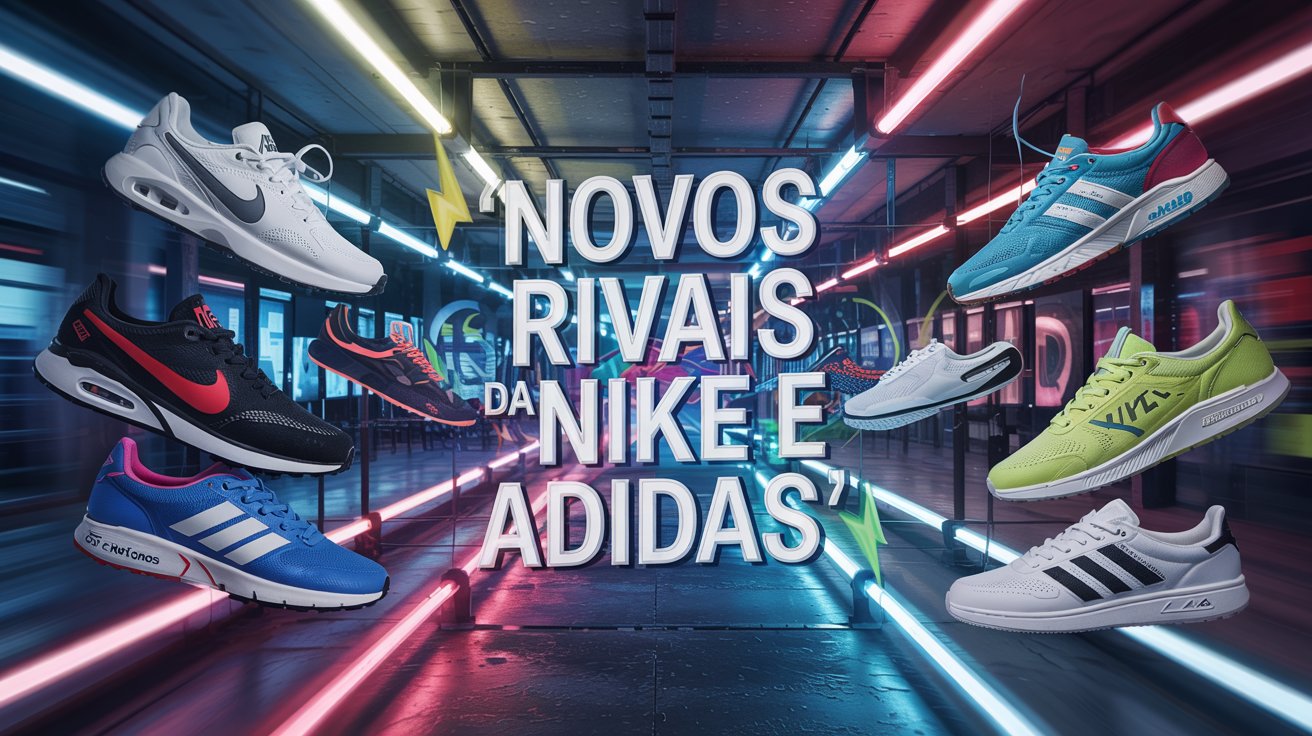
The Traditional Leadership of the Tennis Giants is Challenged by Emerging Brands That Redefine the Global Market, Changing Consumption Habits and Presenting Unexpected Trends That Could Transform the Future of the Sports Industry Irreversibly.
The historical leadership of Nike and Adidas in the global tennis market faces an increasingly challenging landscape.
Although both still dominate with about 20% and 10% of market share, respectively, other emerging brands have been eroding this advantage and changing consumer habits.
According to experts, this transformation goes beyond numbers: it involves a cultural shift that could impact the future of the sports industry.
-
Survivor of 1966 SS Daniel J. Morrell Shipwreck in Lake Huron Recounts 38-Hour Ordeal in Extreme Cold

-
The Greatest Hoax in World Cup History? The Film That Denied Brazil’s 1958 Victory and Exposed How Fake Evidence Can Seem Convincing on TV
-
Fake South Korean Online Stores Offer Shopping Thrill Without Spending Money or Receiving Products
-
Brazilian Joins Homeownership Consortium, Faces Decade of Dual Payments Totaling $141,000, Surpassing Traditional Mortgage


For decades, Nike and Adidas set trends and launched products that quickly won over the global public.
However, the market is now fragmenting and values characteristics such as comfort, performance, and simplicity over the prestige of a brand stamped on the footwear.
New Protagonists Are Gaining Ground
In place of the exclusivity of the big names, brands like Skechers, Hoka, On, Anta, and Li-Ning are increasingly gaining fans by focusing on differentiated proposals.
These companies bet on technological innovation, functional appeal, and affordable prices to expand their share of the sector.
Skechers, for example, has stood out by catering to audiences seeking comfort and practicality, such as healthcare professionals and the elderly.
With an annual growth of nearly 15%, the company generated almost US$ 9 billion in 2024 and sold over 300 million pairs globally.
According to published data, Skechers reached the third position in the western market, challenging giants Nike and Adidas directly.
Swiss brand On Running has won the preference of runners by combining advanced technology with a network of influential ambassadors, including tennis player Roger Federer, who is a partner of the brand.
On closed 2024 with US$ 2.55 billion in sales and projects growth to US$ 3.3 billion in 2025, driven primarily by the Asia-Pacific region.
Another highlight is Hoka, of French origin and controlled by American Deckers Brands, which recorded a 28% jump in revenue in 2024, reaching US$ 1.8 billion.
Its design with robust soles has won over both professional runners and casual consumers.
Asics maintains its authority among runners, with about 70% of its products dedicated to the running segment.
In Brazil, the brand plans to expand its presence in light of the approximately 8,000 annual street races in the country.
Nike and Adidas Are Losing Cultural and Financial Ground
Although they remain leaders, the two giants face cultural and financial challenges.
The appeal of their main icons, such as Nike’s Air Jordan line and Adidas’ controversial Yeezy, weakens in the face of market saturation and changing preferences among young consumers.
Nike still generates significant revenue from the Air Jordan line, which accounted for 14% of revenue in 2024.
However, the company has been restricting releases to avoid losing exclusivity and is trying to create new culturally impactful models, with difficulty.
Adidas, after ending the Yeezy line in 2022 due to controversial statements by rapper Kanye West, has invested in retro relaunches, such as the classic Samba and Gazelle, but has still not recovered the same commercial appeal.
In addition to losing relevance, the profit margins of Nike and Adidas have been pressured by excess inventory, discounts, and fierce competition from more agile competitors, which compromises the profitability of the duo, as footwear accounts for more than half of their revenue.
China Gains Prominence in the Sector
In the global landscape, the growth of Chinese brands Anta and Li-Ning draws attention.
Anta, the largest sports company in the country, holds about 20% of the domestic market and generated US$ 10 billion in 2024, boosted by support from celebrities like Kyrie Irving.
The group has expanded its presence into the United States and has been betting on online sales.
Li-Ning, founded by a former Olympic gymnast, combines sophisticated design with Chinese cultural elements.
Its revenue surpassed US$ 4 billion last year, with a focus on the high-performance footwear segment, which grew by 7%.
While Nike saw its sales drop by 17% in China in the first quarter of 2025, Adidas managed to increase its sales by 13% by focusing on local consumer preferences and expanding its store network in the country.
Changes in Consumer Behavior and Lifestyle
The shift in consumer profiles is also visible on the streets.
By moving away from the running segment and investing in lifestyle, Nike and Adidas have opened space for brands like On, Hoka, and Asics to appeal to amateur runners.
However, at the elite level, the two still dominate.
In the 2024 circuit of the six major world marathons, athletes wearing Adidas won six races, while those wearing Nike claimed four.
Athletes using On and Asics also secured important victories.
What’s at Stake?
The battle in the global tennis market is not just commercial, but symbolic.
Maintaining cultural relevance and profitability in an increasingly fragmented and demanding environment will be crucial for Nike and Adidas.
New innovative brands, regional strategies, and changes in consumer behavior are testing the leadership of these giants.
Meanwhile, the sneakers you wear may reveal more about the cultural, economic, and sporting transformations in the world than you might imagine.
What brand of sneakers do you think will dominate the future of the market? Leave your comment and join the conversation!





Be the first to react!