Portuguese
  Spanish


A startup proved that it is possible to combat global warming with something as simple as stone powder thrown in the field, and along the way, it boosts the production and income of those who need it most, earning the largest carbon removal prize in history
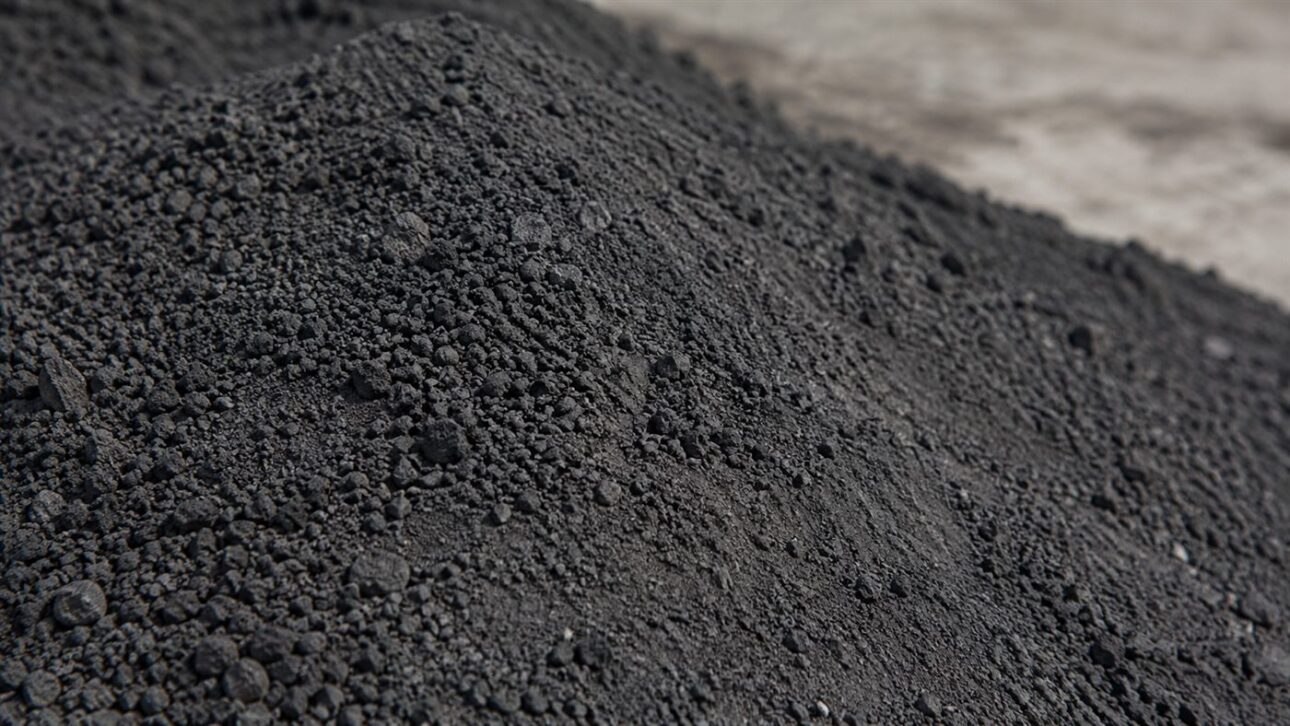
Combating global warming with stone powder in the field seems too simple to work, but it earned Mati Carbon a 50 million dollar prize. The startup spreads ground basalt for free on the farms of small farmers in India and Africa, and this technique does two things at once: it improves the soil and increases the harvest, while permanently removing carbon dioxide from the air.
How does throwing crushed rock in the field help the climate? Because basalt reacts with the carbon dioxide present in the soil and transforms it into a stable mineral, trapping the carbon for thousands of years instead of letting it return to the atmosphere. It is a cheap, scalable solution that, instead of costing the farmer, still improves their land, which explains why the idea excited the judges of the largest prize in the sector so much.
What Mati Carbon does with rock powder
The ingenuity lies in using a process that nature already does on its own, only faster. According to IEEE Spectrum, the company applies finely ground basalt to the fields, a volcanic rock that improves soil quality for plants and, at the same time, helps remove carbon dioxide from the air.
-
Human Waste in Kenya is Solar-Treated and Turned into Fuel Briquettes, Tackling Open Sewage, Charcoal Use, and Deforestation

-
Bolivian Teen Builds Functional Robots from Scrap Materials in High-Altitude Rural Town
-
Student Creates 3D-Printed Prosthetics from Recycled Plastic, Turning Waste into Affordable Custom Arms
-
Climate Scientist Who “Proved” Humanity Is Warming the Earth




The secret is to accelerate a natural reaction. According to TechCrunch, the crushed rock naturally converts carbon dioxide into stable minerals, and grinding it greatly increases the exposed surface area, which makes the process happen in years, not millennia. Turning a very slow geological phenomenon into a practical climate tool is the kind of insight that seems obvious only after someone does it.
A 50 million dollar prize
The recognition came on the industry’s biggest stage. According to TechCrunch, on April 23, 2025, Mati Carbon was announced as the grand winner of the XPRIZE for carbon removal, taking the top prize of 50 million dollars in a competition that distributed 100 million in total.
The prize money has a well-known sponsor. According to IEEE Spectrum, the competition was funded by Elon Musk’s foundation, which put up the 100 million dollars to stimulate solutions capable of removing carbon from the atmosphere on a real scale. Winning a contest backed by the world’s richest man suddenly places a small startup at the center of the climate map.
The farmer pays nothing
The business model is what makes everything viable in the field. According to TechCrunch, small farmers pay nothing for the service, receiving the rock dust and the benefit to the soil without spending a cent, while Mati Carbon profits by selling the generated carbon credits.
It’s an exchange where both sides win. The farmer improves the land at no cost, and the company turns carbon removal into revenue for those who want to offset their emissions. Making climate action profitable without burdening those who have the least is the clever trick of this technique, and it’s what can make it truly grow.
The harvest that grows up to 70%
The gain for those who plant is what seals the deal. According to TechCrunch, basalt releases nutrients into the soil and improves water retention, increasing productivity by about 25% in normal lands and between 50% and 70% in already degraded soils.
For a small producer, this is life-changing. Harvesting more on the same land means more food and more income, an immediate effect that doesn’t depend on believing in any climate cause to be worthwhile. An environmental solution that also fills the farmer’s plate and pocket has everything to catch on, because it aligns the planet’s interest with that of those who work the land.
From India to Africa
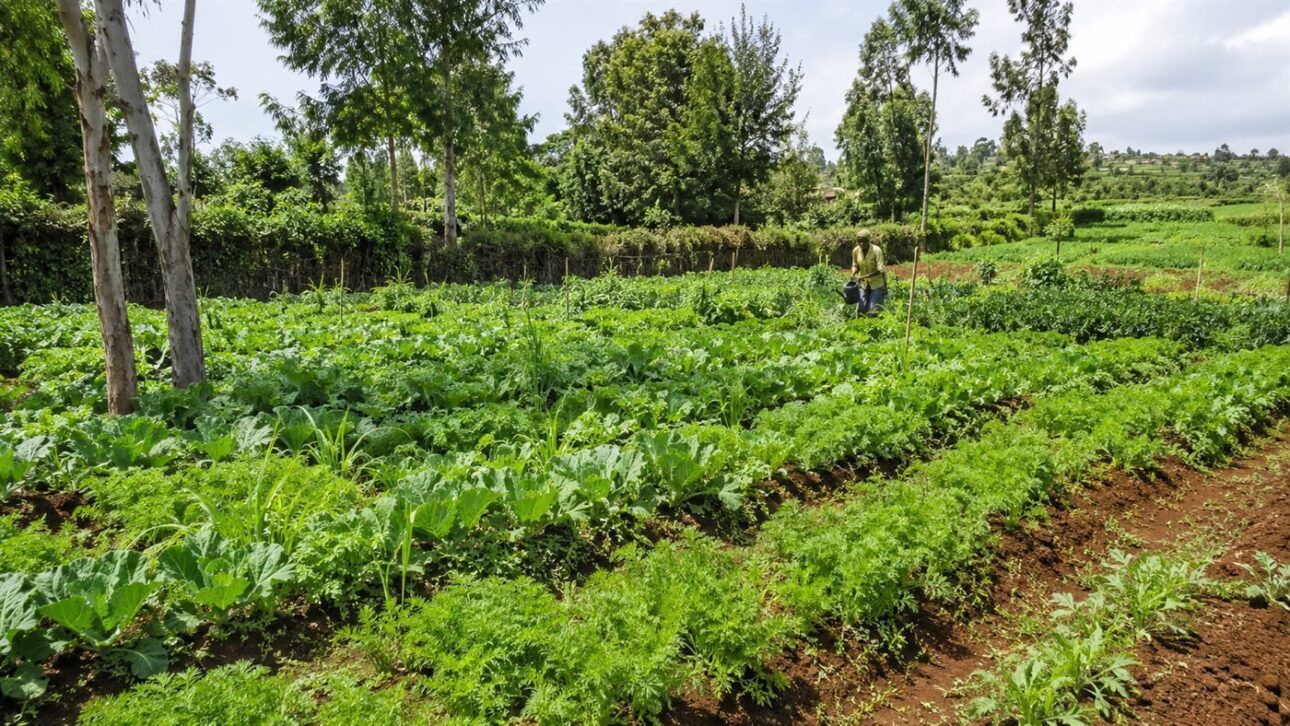
The operation already crosses continents. According to TechCrunch, the company operates in India, Tanzania, and Zambia, with plans to enter three more countries, always targeting small farmers in the Global South, where soils are often poor and the technique yields more.
The choice of this audience is no accident. It’s precisely where there is more degraded land to recover and more people who benefit from the productivity gain, multiplying the social impact of the project. Bringing technology to those who need it most is what separates a good idea from a transformative one.
How the removed carbon is measured
One of the biggest challenges in the sector is proving that the carbon was indeed removed. According to IEEE Spectrum, Mati Carbon uses its own platform called matiC, which collects hundreds of data points per field and employs artificial intelligence and machine learning to calculate how much carbon was actually removed.
This rigorous measurement is what gives credibility to the credits sold. According to IEEE Spectrum, the company relies on detailed laboratory analyses to prove the result, an essential care in a market full of promises difficult to verify. Without proving what is removed, no carbon credit truly holds value, and that’s where measurement technology makes all the difference.
The potential of millions of farms
What is most exciting is the possible scale. According to TechCrunch, the technique has the potential to reach about 200 million small farmers, covering a vast area of agricultural land and potentially benefiting around 1 billion people worldwide.
If it gets close to that, the impact on the climate would be enormous. Multiplying a cheap solution by millions of properties turns a small gesture into a global climate force. A simple tool applied on a planetary scale is exactly the type of weapon that the fight against warming needs, and it is this promise that is behind the award.
What this victory represents
The triumph of Mati Carbon shows that not every climate solution needs to be expensive or futuristic. Sometimes, the answer lies in something as old as rock dust, applied intelligently and in the right place. By combining carbon combat with the increase in harvest for those who need it most, the startup found a rare formula, where the farmer, the investor, and the planet all win at the same time. If it can scale without losing rigor, it could become one of the pillars of carbon removal in the world.
And you, do you believe that simple solutions like this can do more for the climate than expensive and complex technologies, or do you suspect it’s too good to be true? Share your opinion here in the comments.