Portuguese
  Spanish


With An Engine That Acts Only As A Generator And A Thermal Efficiency Of 42%, Nissan Aims To Regain Its Lead In The Hybrid Race
Nissan Launched The Most Efficient Hybrid Engine In The World. The Nissan E-Power of the third generation was detailed with a new three-cylinder engine dedicated exclusively to functioning as an electric generator.
The system was introduced with a focus on efficiency, with a thermal rate of 42%, exceeding the 41% announced by direct competitors in the segment.
The first vehicle in the world to adopt this new e-POWER system is the Qashqai, whose production began in July at Nissan’s advanced plant in Sunderland, United Kingdom.
-
Chevrolet’s Parent Company to Invest Billions in Brazil to Modernize Factories, Update Cars, and Accelerate Hybrid Launch by 2028

-
Practical Driving Tests in Brazil Surge by 23.5%, Exceeding 2.2 Million by 2026, as New Rules Make the Process Cheaper and Simpler
-
Brazil’s Lula Government Allocates $463 Million Quota for Electric Car Parts, Waives Import Tax Until December, Sparking Competition Among BYD, Automakers, and Unions as Consumers Question Impact on Prices and Local Industry

-
Thinking of Installing LED Headlights? Why Replacing Halogen Bulbs is Still Banned, the Glare Risks Authorities Worry About, and How a New Proposal Could Allow Certified, Safe Installations


Nissan E-Power Of The Third Generation: Architecture And Efficiency
In the technical arrangement, the 1.5-liter engine, ZR15DDTe, does not drive the wheels. Propulsion is provided by an electric motor, while the combustion unit operates as a generator.
The declared higher thermal efficiency indicates better conversion of the fuel into electricity, with reduced losses and gains in range without an increase in consumption.
The Nissan E-Power was announced as a response to the competition with Toyota and Hyundai.
The declared objective is to surpass the current efficiency parameters among conventional hybrids of high volume, while maintaining a simplified architecture for operation and maintenance.
Cold Spray Manufacturing And Patent
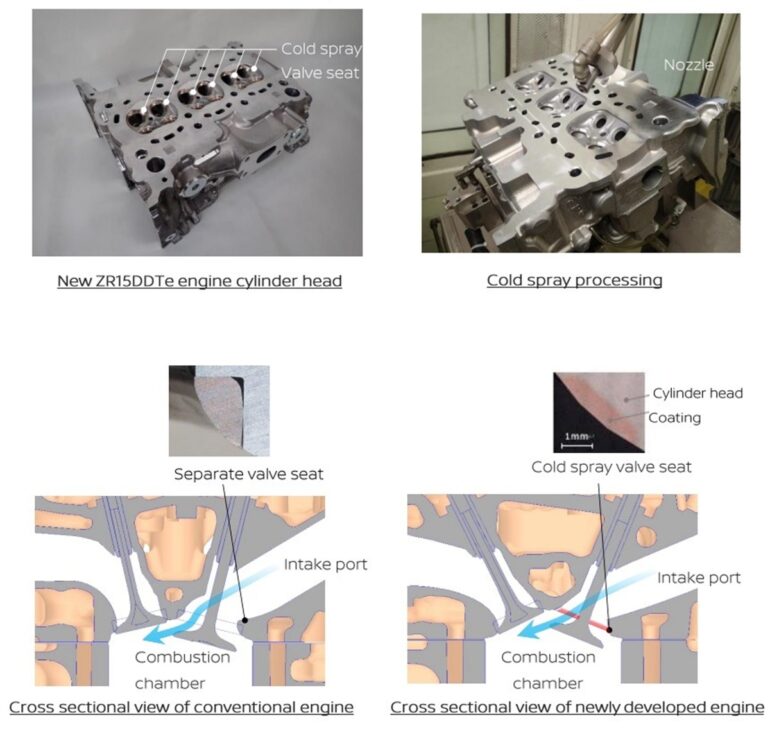
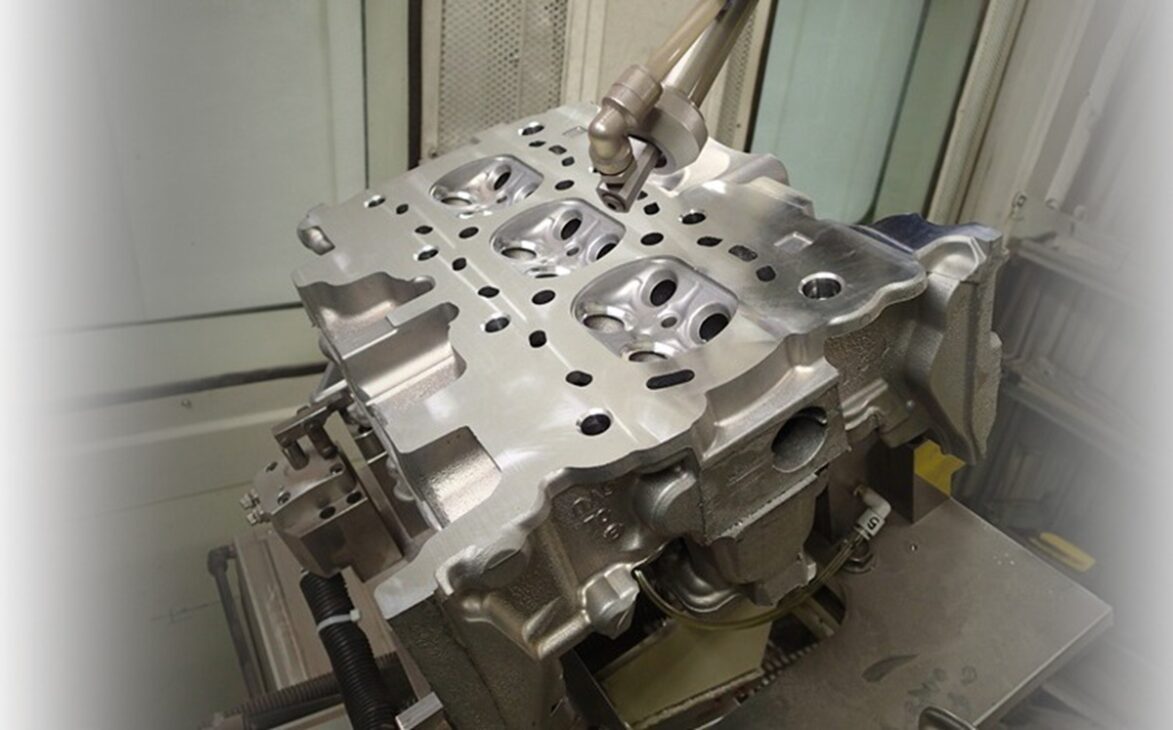
The advancement was attributed to a novel method of applying valve seats via cold spray directly onto the cylinder head, replacing traditional pressing.
The process projects copper-based metal powder at supersonic speeds, adhering precisely to the surface outlined in the design.
This procedure enables an optimized intake port design, with reduced turbulence and improved flow to the combustion chamber.
The reported result includes more stable and efficient combustion. The alloy with high thermal conductivity contributes to the cooling of the valves and the durability of the assembly.
Nissan announced it obtained the patent for the system in April 2025, after filing in 2020.
This indicates a competitive advantage in manufacturing processes that directly impact the performance of the generator engine.
Lessons From The VC-Turbo And Launch Strategy
The announcement follows previous questions about the brand’s engine innovations.
The VC-Turbo, with variable compression, was labeled a failure due to mechanical complexity and reliability issues, with mass recalls.
The new solution arises from the simplification of an existing component to mitigate risks and ensure effective efficiency gains without project overload.
The debut in North America is confirmed for 2027, alongside the fourth generation of the Nissan Rogue, known as X-Trail in other markets.
The Nissan E-Power of The Third Generation is part of the corporate restructuring plan that uses hybrids as an intermediate step towards full electrification.
Competition And Technological Goals
The 42% thermal efficiency remains below the 50% achieved by hybrid engines in Formula 1, enabled by electric supercharging.
Still, the figure was characterized as an advancement for high-volume applications.
The strategy seeks to reposition the brand at the forefront of accessible hybridization in light of Toyota’s historical leadership and Hyundai’s recent advances.
The Nissan E-Power of The Third Generation is presented as the core of global repositioning.
If the predicted deliveries are confirmed, the brand could regain its technological prominence that was considered diminished over the past decade. The system’s evolution will be observed from the scheduled launch.
1 – Cold spraying is a coating technology in which powder materials are sprayed at supersonic speeds to form a solid layer. Since the 2000s, it has been widely adopted in the aerospace, energy, heavy equipment, oil and gas industries, and other manufacturing sectors, providing advantages in terms of reliability and quality. Recently, it has gained attention for its applications beyond surface treatment, including additive manufacturing.
2 – STARC (Strong Tumble & Appropriately Stretched Robust Ignition Channel) is a combustion concept announced by Nissan in 2021, which provides impressive thermal efficiency.
3 – A sintered valve seat is a type of valve seat used in internal combustion engines, made through a process called sintering. Sintering involves compressing powder materials — typically metal powders — under heat and pressure to form a solid, durable component without melting the material completely.