Portuguese
  Spanish


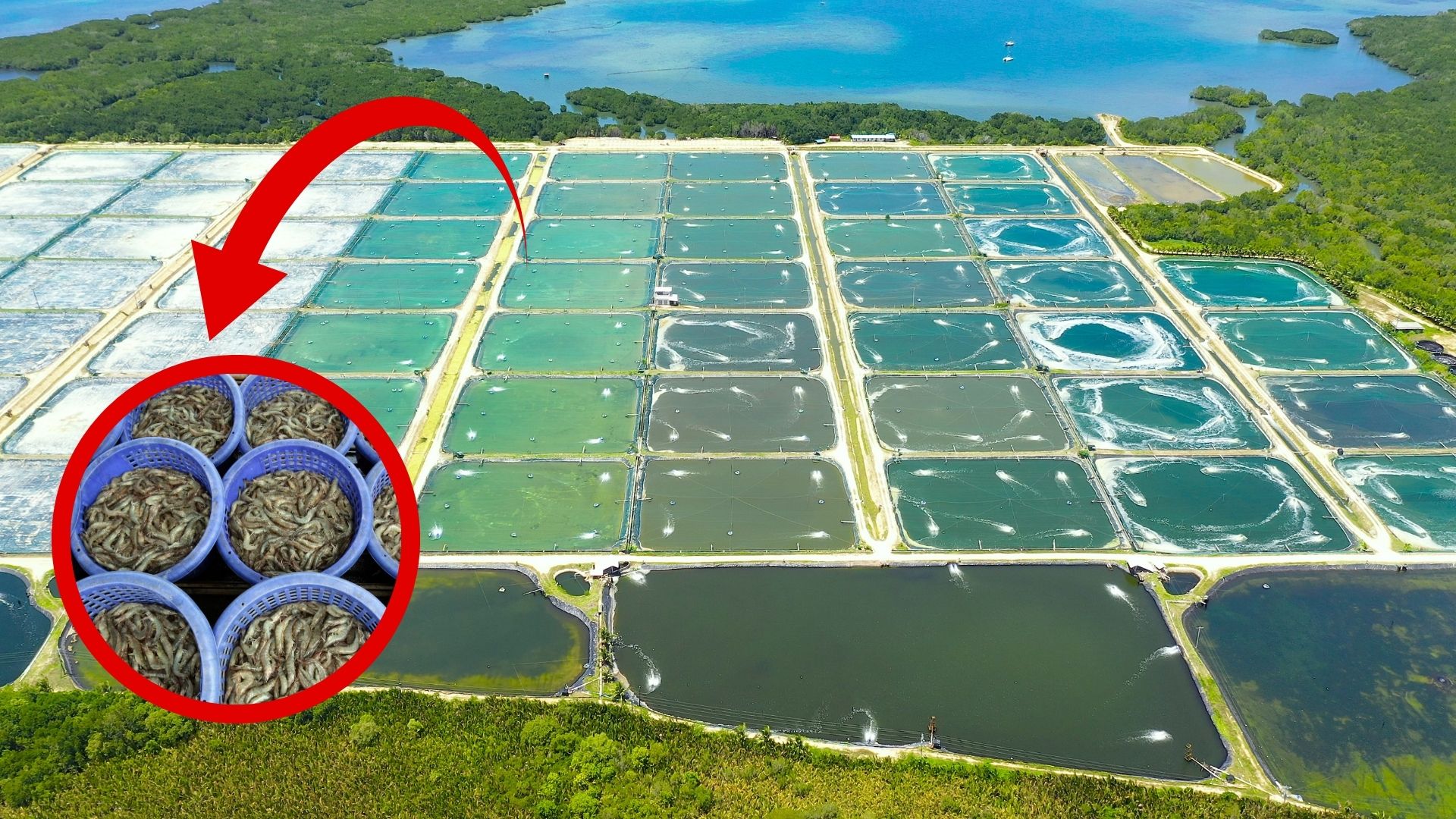

The Northeast Produces 99.6% of Brazil’s Shrimp, Moving Over R$ 2 Billion a Year and Generating Thousands of Jobs. Discover How Shrimp Farming Transforms the Region’s Economy.
Shrimp in pumpkin, bobó, breaded, or grilled with garlic and cilantro. The crustacean is one of the favorites on Brazilian tables, but what few know is that practically all the shrimp consumed in Brazil comes from the Northeast. According to data from IBGE, 99.6% of all national shrimp production is concentrated in the region, with absolute prominence for Ceará and Rio Grande do Norte, which together are responsible for 76.4% of everything produced.
Last year, the market moved R$ 2.6 billion, an 18.3% growth compared to 2022, confirming that shrimp farming in the Northeast has become an economic powerhouse that generates jobs and drives local development.
Discover the Path of Northeast Shrimp
The journey of shrimp to your table begins on shrimp farms in the Northeast, where the ponds use brackish water from semi-arid regions for the crustacean’s farming. The processes involve genetic selection and sustainable management techniques that help increase production and ensure the quality of the shrimp.
-
How to Prevent Brown Recluse Spider Bites: Common Hiding Spots and Free Tips to Reduce Risks

-
Natto: The Unusual Japanese Superfood Gaining Popularity on Social Media and Driving Record Exports
-
Brazilian Mayor Goes Undercover as Homeless for 24 Hours to Assess Public Services

-
15-Year-Old Entrepreneur Malu Lira Publishes 20 Children’s Books on Financial Education, Earns $500,000, and Expands Her Project to the Amazon Rainforest




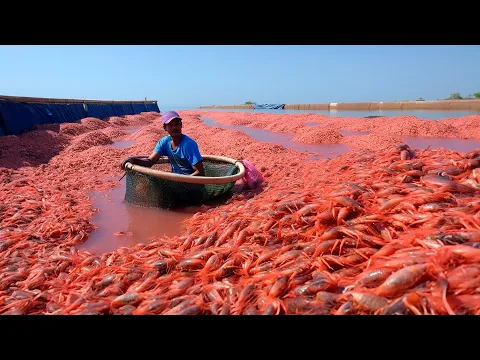

Only in 2023, Northeast production reached 127.5 thousand tons, a 13% growth from the previous year. Ceará continues as the largest producer in Brazil, closely followed by Rio Grande do Norte, which has been increasing its production focused on genetic improvement to raise the numbers in the coming years.
The Shrimp Capitals
Among the municipalities that produce the most shrimp in the country, Aracati and Jaguaruana, in Ceará, come in first and second places, respectively. Right after is Pendências, in Rio Grande do Norte. Acaraú and Russas, also in Ceará, complete the top 5, and together, these municipalities are responsible for about one third of all shrimp production in Brazil.
This performance reflects on the region’s economy, generating thousands of jobs and boosting commerce, transport, and export, consolidating shrimp as a symbol of economic development in the Northeast.

Recognized Quality and Sustainable Production
The shrimp from the Northeast is nationally recognized for its quality, with firm texture, strong flavor, and traceability guarantee in many cases. Research has already proven the superiority of the product, which even has a Geographical Indication (GI) registration, reinforcing the authenticity and production standard of the region.
Sustainability is also a priority, with constant investments in technologies that reduce environmental impact, ensure efficient water use, and control waste in production, transforming shrimp farms into models of responsible aquaculture.
The production of shrimp in the Northeast is not only in the hands of large companies. Small and micro producers, many operating as family businesses, are responsible for a large part of the production, finding in shrimp an important source of income and livelihood. The activity strengthens communities, generates direct and indirect jobs, and drives a wide production chain that goes from feed to transport and export.
Valuation Campaigns and Impact on Local Tourism
To reinforce the economic and cultural importance of shrimp, the Ministry of Fishing and Aquaculture launched the campaign “Shrimp: It’s from the Northeast, It’s for You!”, aiming to promote internal consumption and value the regional product.
In addition to the impact on the economy, shrimp boosts gastronomic tourism in the region, attracting tourists to seafood festivals and specialized restaurants that celebrate the culinary richness of the Northeast, adding value to the production chain.
A Billion-Dollar Market That Keeps Growing
With over R$ 2.6 billion moved in 2023, the shrimp market in the Northeast confirms its relevance to the Brazilian economy and its potential for expansion as genetic and technological innovations are incorporated into the farming process.
Whether served in a seaside restaurant or in pumpkin at home, the shrimp that reaches the plate of most Brazilians carries the flavor, strength, and history of the Northeast, being a symbol of job generation, income, and sustainable development.
The Northeast has consolidated its position as the absolute leader in shrimp farming in Brazil, transforming the activity into an economic engine that sustains thousands of families, drives the regional economy, and boosts tourism. Each shrimp that arrives on your plate carries the strength of a sector that reinvents itself and grows every year, confirming that when it comes to shrimp, the Northeast is king.