






 Portuguese
  Spanish
  2 min of reading
  0 comments


New Submersible Tunnel Of 26.7 Km Promises To Reduce Travel Time From 21 To 10 Hours, Connecting Regions And Modernizing Norway’s Road Infrastructure
Driving in Norway is a challenge. The country, filled with fjords and waterways, requires that drivers face ferries and long detours. Instead of continuous highways, there are stretches that seem like mazes.
In many cases, crossing the country from north to south can take up to 21 hours. And it’s not just hours behind the wheel: in seven stretches, it’s necessary to board ferries.
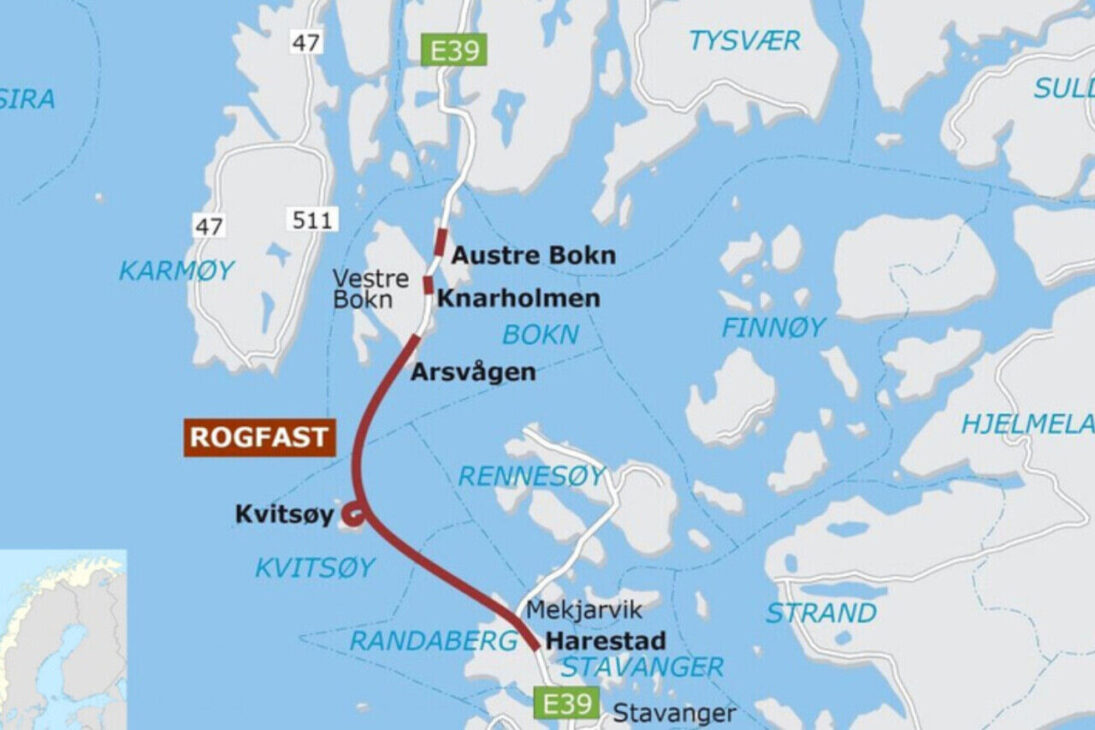
To solve this problem, the Norwegian government has initiated a massive infrastructure project. Named Rogfast — short for Rogaland fastforbindelse, or “Rogaland Fixed Connection” — the plan aims to facilitate traffic between the districts of Randaberg and Bokn.
-
Brazil’s WEG to Open New Factory in China by 2027, Expanding Production of Large Rotating Electric Machines and Low to Medium Voltage Motors in Rugao

-
Chinese Shipyard Secures $1 Billion in Orders for Low-Carbon Container Ships Amid Global Fleet Renewal Efforts
-
Brazilian Planned Community Provides Housing for Over 420 Formerly Homeless, Aims to Reach 1,900 Residents
-
Minneapolis Warehouse Transformed into Village of 100 Tiny Homes, Helping 851 Homeless People and Securing Permanent Housing for 343


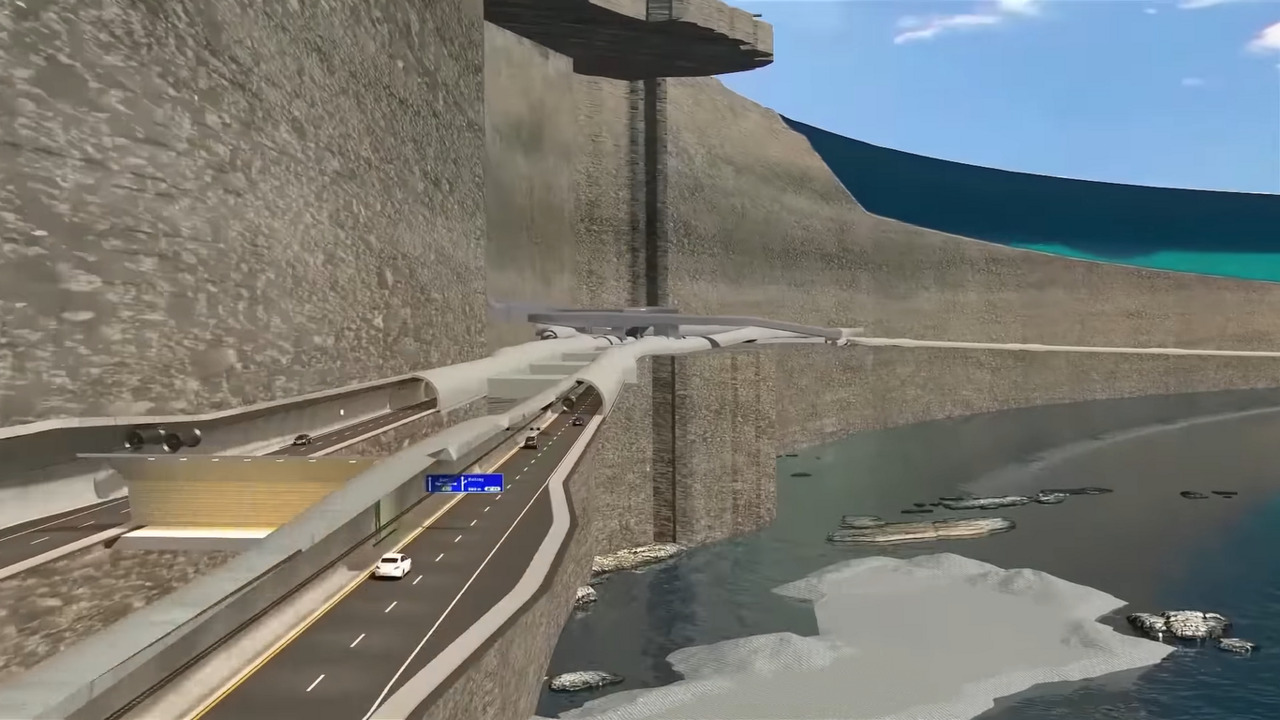
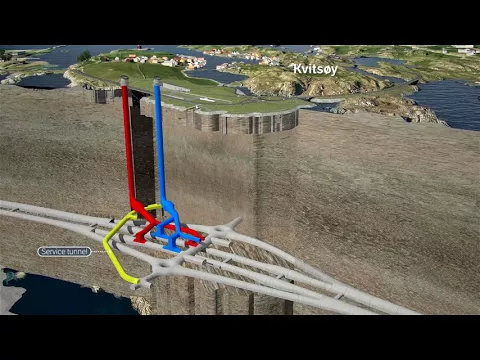
The main construction is a 26.7-kilometer underwater tunnel that runs 390 meters below sea level. It will allow drivers to cross this stretch in about 40 minutes, without having to leave their cars or board a ferry.
In addition to the tunnel, the project also includes two roundabout viaducts. They will be positioned about 260 meters deep, as part of the same roadway system.
A map of the route helps to understand the scale of the initiative. The goal is simple: to drastically cut travel time.

With the completion of Rogfast, Norwegians hope to reduce the total time to cross the country to about 10 hours.
This means less than half of the current time, with the advantage of no longer relying on ferries. The change is expected to impact not only the transportation of people but also goods.
The investment is also substantial. The estimated cost of the project is around 25 billion Norwegian kroner, which is equivalent to about 2.2 billion euros.
Despite the high cost, the government claims that this solution is more economical than building a bridge. And the expected gains are significant: easier logistics, greater economic integration, and boosted tourism.
Completion is scheduled for 2033. When finished, Rogfast will be the longest underwater tunnel in the world, surpassing the Laerdal tunnel, which is 24 kilometers and also located in Norway.
It is expected that by 2053, about 13,000 vehicles will use this route daily.
With information from Xataka.





-

1 person reacted to this.