Portuguese
  Spanish


Researchers from the University of Michigan Developed a New Lithium-Sulfur Battery for Electric Vehicles That Could Be a Great Innovation in the Automotive Industry
A group of researchers from the University of Michigan demonstrated in an paper how a network of nanofibers formed from recycled Kevlar can solve problems related to the range of electric cars. The team also stated that the new technology allows for the production of a battery made using lithium and sulfur for the automotive industry that can exceed the capacity of conventional batteries by five times.
Read Also
Check Out the Difference of the Lithium-Sulfur Battery from the Researchers
It is generally understood that what hinders stability in the range of electric cars today is the lifespan of batteries, for example, the number of times they can be charged and discharged.
-
Chery Offers Lifetime Battery Warranty and Car Replacement for Major Failures Under New Chinese Regulations

-
Sales of Brazil’s Cheapest Electric Car Halted Before First Deliveries: E-Motors Suspends Emova Easy Due to Import Tax Increase and Rising Freight Costs

-
Nissan Discontinues Qashqai SUV Amid Cost-Cutting, Chinese Competition, and Product Line Review
-
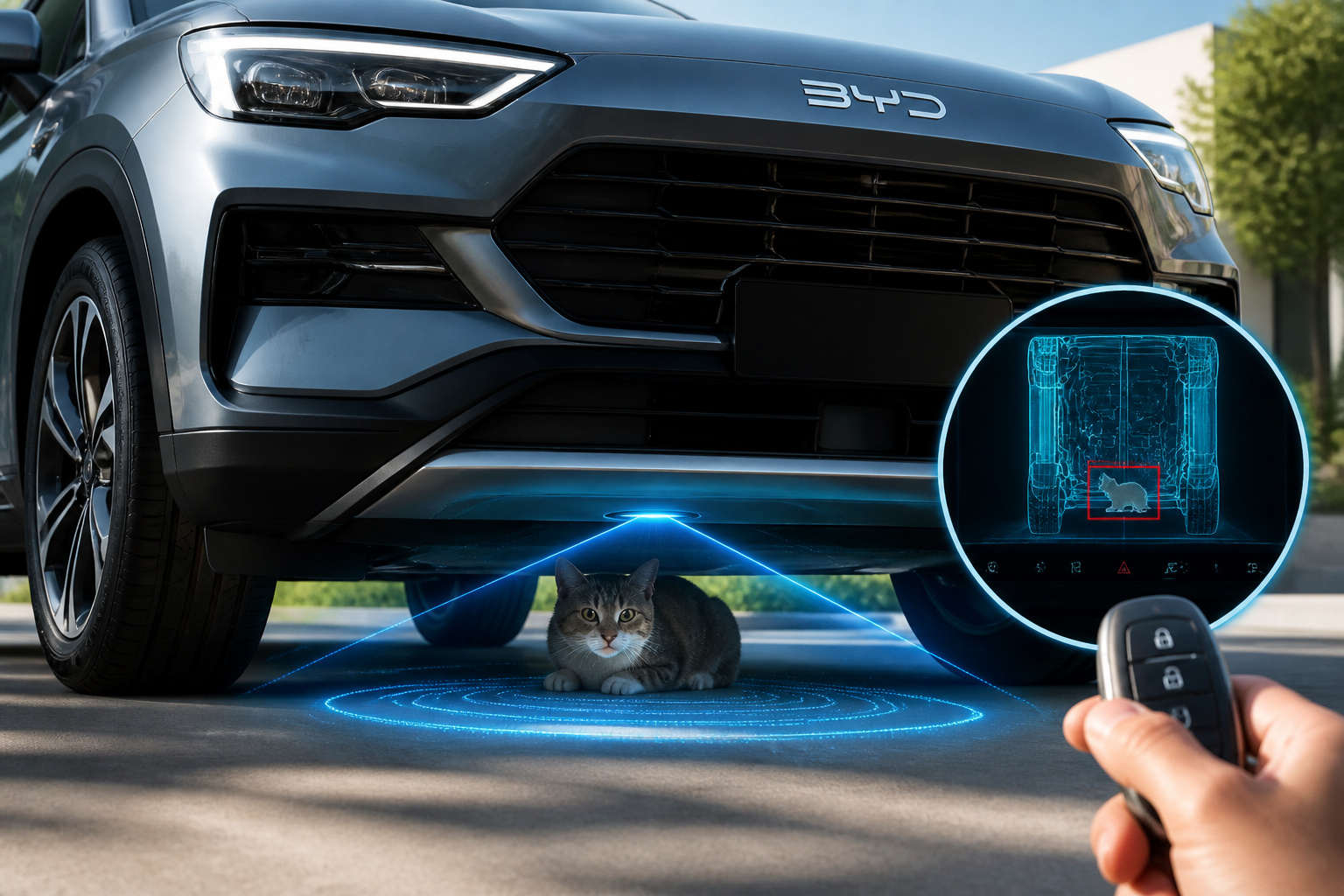
BYD Patents Revolutionary System Using Computer Vision to Detect Animals Under Cars Before Starting, Preventing Tragedies




Professor Nicholas Kotov, the lead researcher, states that there is already a large extent of books and documents on the good cycling of lithium-sulfur batteries. However, these studies disregard essential elements for the automotive industry such as safety, resilience, and charging rate. According to the researcher, the current challenge is to develop a battery for the automotive industry that, in addition to range, extends the cycling rate from the previous ten cycles to hundreds of cycles and meets other requirements, such as costs.
The biomimetic engineering of these batteries for electric cars consists of two scales: molecular and nanoscale. For the first time, it has been possible to integrate the resistance of cartilage and the ionic selectivity of cell membranes. The perspective of integrated system scientists has made it possible to face the production challenges of lithium-sulfur batteries.
Scientists Solve Capacity Reduction Problem
The obstacle is that, in lithium-sulfur batteries, the molecules of the two materials flow toward the lithium, causing the capacity of the unit to decrease. Thus, the researchers from the University needed to make lithium ions flow toward the sulfur and back.
By copying the dynamics of pores in biological membranes, the researchers then added an electric charge to the pores of the battery membrane to repel lithium polysulfides. Thus, the positive lithium ions were able to pass freely and complete the process.
New Patent for Lithium-Sulfur Battery is Almost Perfect, Says Kotov
According to Kotov, the model of batteries for electric cars is almost perfect, with its efficiency and capacity approaching theoretical levels. The researcher also states that the new battery can handle extreme temperatures of a vehicle, ranging from cold to heat, which consequently influences greater range.
Along with the higher capacity, the batteries have sustainability advantages compared to other lithium-ion batteries. Sulfur is much more prevalent in the environment than cobalt in lithium-ion electrodes. Moreover, the aramid fibers of the battery membrane can also be recycled from discarded bulletproof vests and used normally.