Portuguese
  Spanish


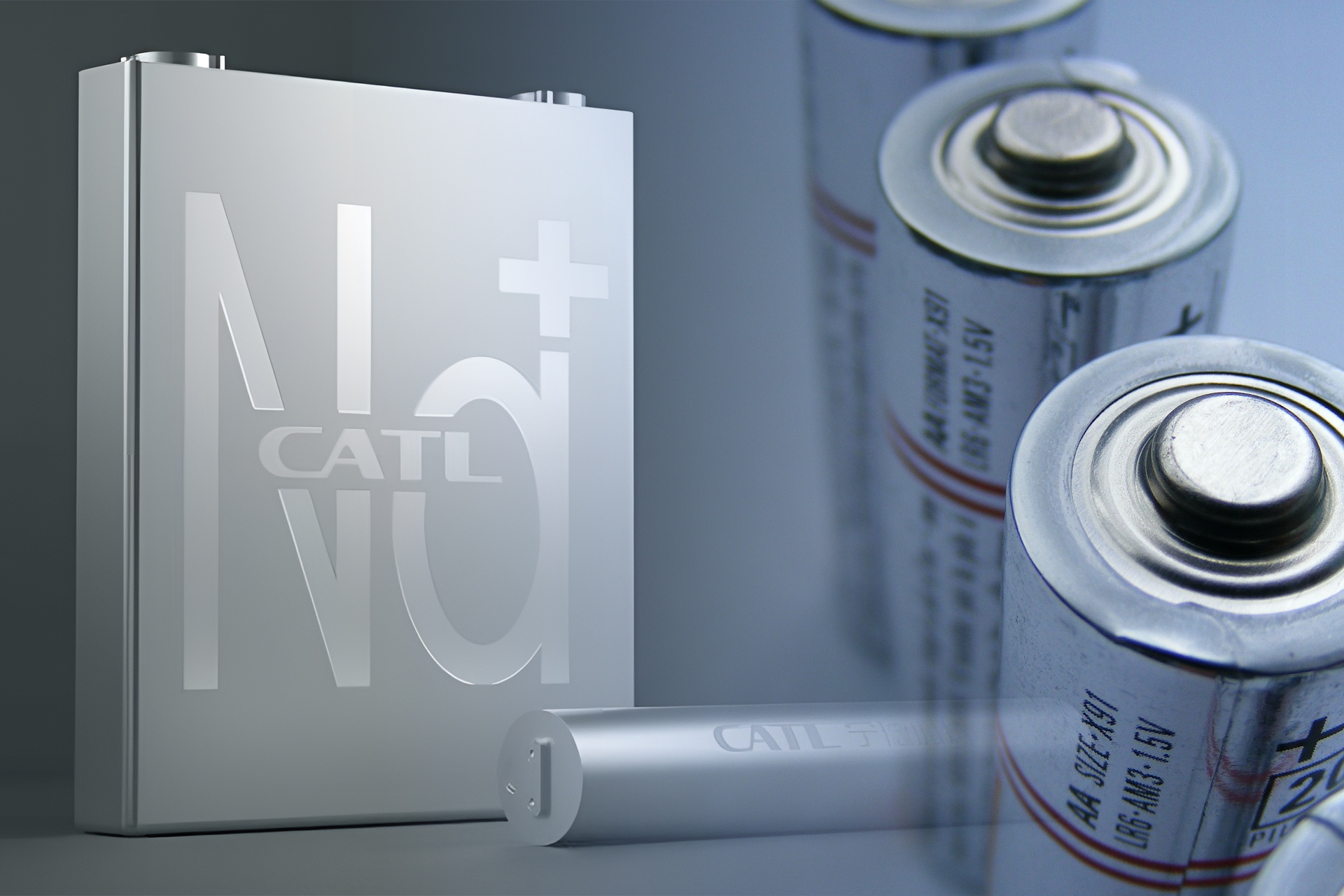

The New Hybrid Battery from CATL Is Made of Sodium and Lithium, and Its Main Objectives Are to Reduce Prices and Increase the Range of Electric Vehicles
The CATL, the world’s largest producer of batteries for electric cars, is developing a hybrid battery that combines sodium and lithium into its structure. Huang Qisen, one of the most important executives at the Chinese manufacturer, commented on the potential of this type of combination, both in the short and long term.
As the cost of lithium continues to soar, battery manufacturers are finding that sodium can serve as a suitable substitute. A composition that, on one hand, benefits from the reduced cost but, on the other hand, faces several obstacles, one of which is the lower energy density. Therefore, a hybrid battery is a good solution.
Huang Qisen suggests that batteries using only sodium could be installed in more compact cars, with a range of up to 400 kilometers, as a quicker short-term solution to the problem. In this specific scenario, urban and economical electric vehicles, whose costs may be below average.
-
End of an era in Brazil: beloved sedan by Brazilians is discontinued despite having a 2.0 engine with 151 hp, CVT transmission, 466-liter trunk, and up to 650 km of range.

-
New Law Proposal in Brazil Could Heavily Penalize Drivers: Dangerous Overtaking May Become a Serious Offense with Fines Increased Tenfold and a 12-Month License Suspension; Update on 2026 Progress

-
Electric Revolution: Watts W125 Motorcycle Offers 160 km Range, 90 km/h Speed, and Affordable Price Starting at $3,000
-
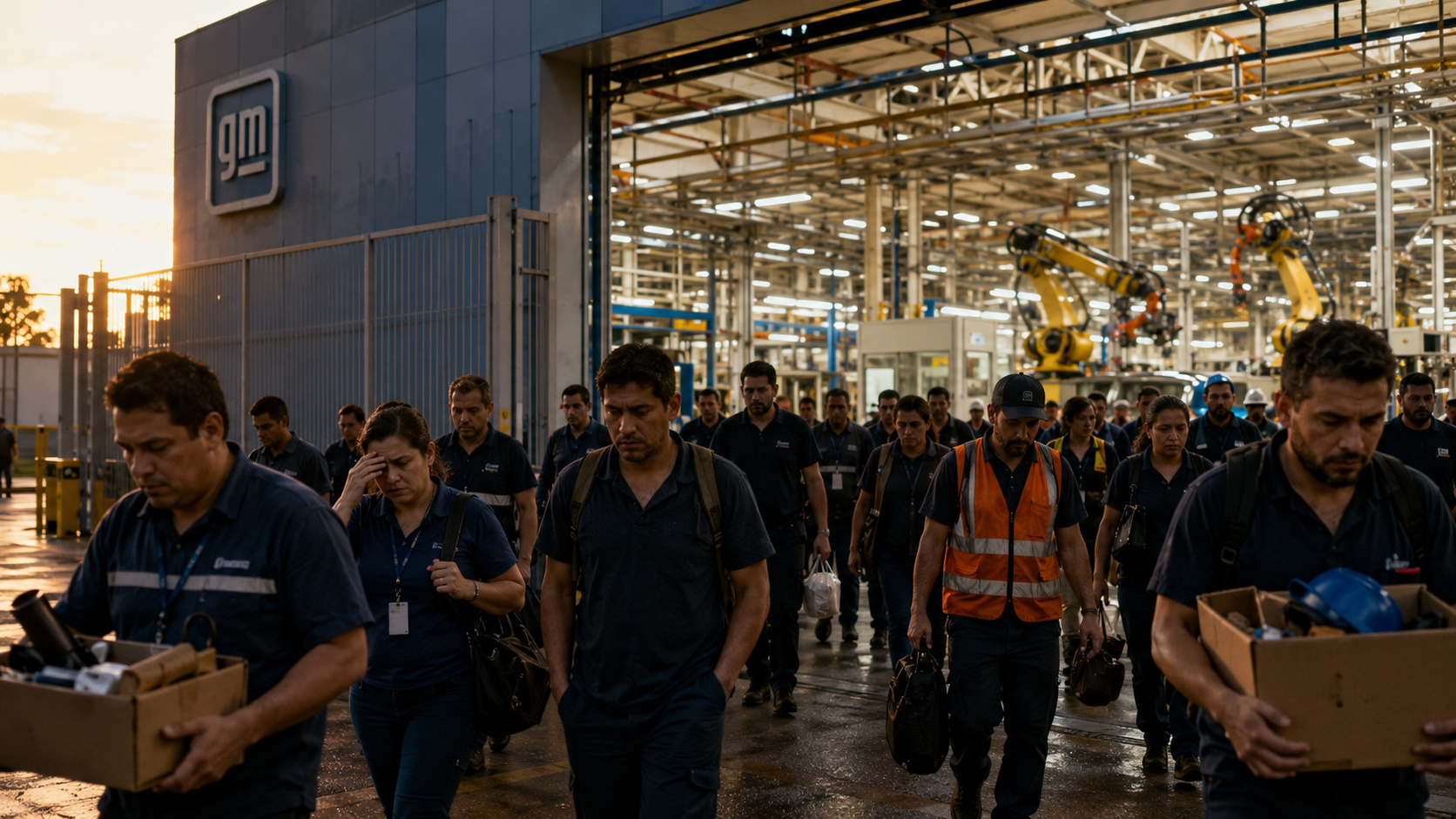
General Motors Replaces Over a Thousand Workers with 50 Cobots at Electric Vehicle Plant, UAW Union Criticizes Move Amid Industry’s Automation Push


However, he hinted that the long-term solution is the hybrid battery model that CATL is also working on, according to the company, the technology that will be available in the near future. In real use, a hybrid battery has the potential to be installed in electric cars with a greater range, exceeding 500 kilometers.
CATL’s Hybrid Battery Is Expected to Provide Greater Range for Electric Cars and High Charging Power Even in Cold Places
The first-generation hybrid battery model is expected to provide decent energy density, very fast charging capacity, and especially strong performance, even at low temperatures.
The energy density of CATL’s pure sodium batteries is 160 Wh/kg, which is equivalent to an LFP composition but lower than that of NMC cells. However, the Chinese company claims to be ready to develop a hybrid battery model with 25% higher density than the current one, which would raise the total to 200 Wh/kg.
While the sodium-containing composition has, on average, a lower density, its strength lies in its thermal stability. When put into practice, this results in greater charging powers over a longer period of time.
For example, the battery of an electric car made of sodium can recover from 0 to 80% state of charge in just 15 minutes, while the most modern conventional cells, including those used by Tesla, take an average of 30 minutes to do the same.
Thanks to Sodium-Based Batteries, Electric Vehicle Manufacturer BYD Plans to Launch Super Cheap Cars in 2023
Thanks to the development of low-cost sodium-based batteries, the Chinese car manufacturer BYD plans to launch a super cheap electric car as early as 2023. According to information from the website Vrum, the BYD Seagull will be priced at around 8,000 euros (in direct translation, this is equivalent to R$ 43,760).
BYD has recommended this launch date. So how exactly would something like this be possible? It wouldn’t be because the vehicle would have a hybrid battery from CATL, after all, they are still in development, but rather because it would be powered by a sodium-based battery.
The company stated that it plans to employ this specific type of technology to manufacture, in addition to the cheap electric car model, a variety of additional vehicles that are more economical for the end user. In the future, using a hybrid battery could make electric cars even more affordable than the BYD Seagull.