






 Portuguese
  Spanish
  2 min of reading
  0 comments


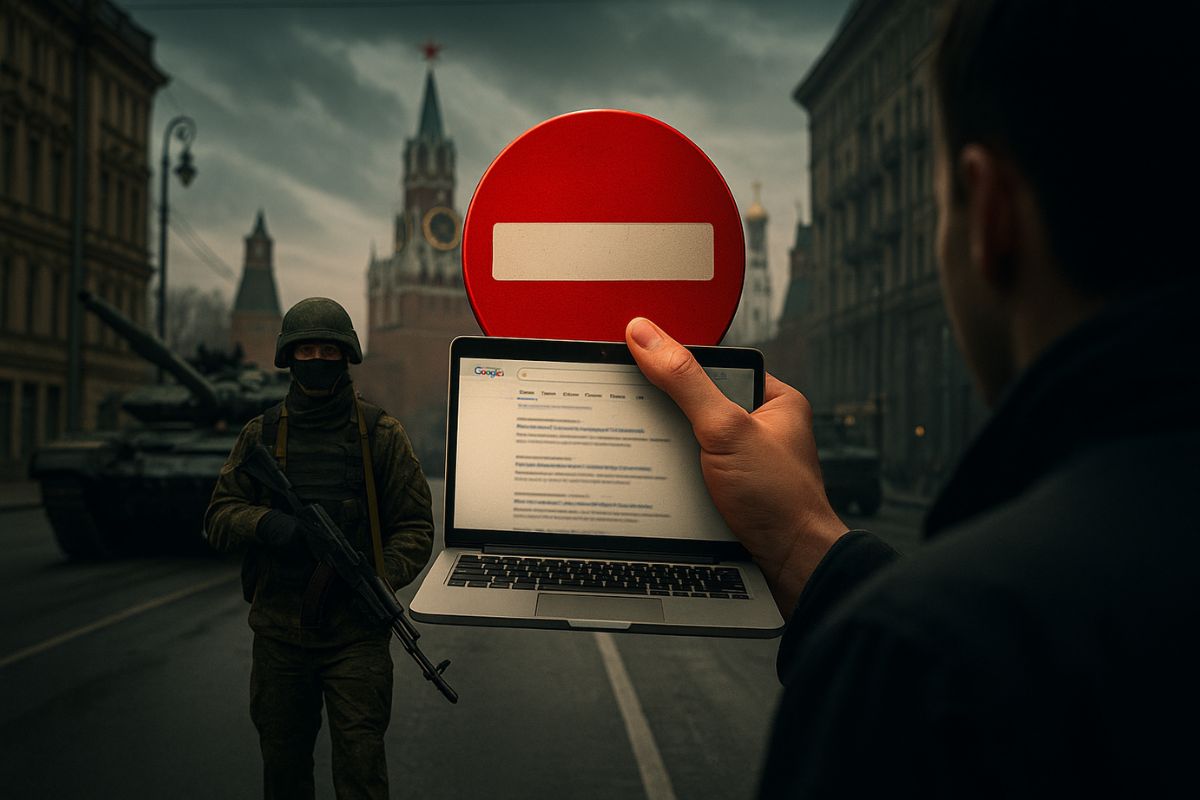
Regulation Signed This Week Prohibits Access to Over 5,000 Pages, Songs, and Government-Critical Sites and Even Bans VPN Advertising
The censorship in Russia has just taken on new legal contours. President Vladimir Putin signed a law on Thursday (31) that penalizes with fines anyone who accesses or seeks content deemed “extremist” by the government. The measure directly impacts digital freedom in the country and expands state control over internet use.
According to authorities, the list of prohibited materials already exceeds 5,000 items, including NGO websites, blog posts, songs, books, and artistic content. Among the targets are the band Pussy Riot, the Anti-Corruption Foundation created by Alexei Navalny, tributes to Ukraine, and even profiles of Meta, the company that controls Facebook and Instagram.
Fines and Blocking of Digital Tools
The new legislation provides for fines of up to 5,000 rubles (about R$ 360) for users who access these contents, even if they are merely searching. Moreover, the advertising of VPN services, the main tool used by Russians to escape censorship, is now also prohibited.
-
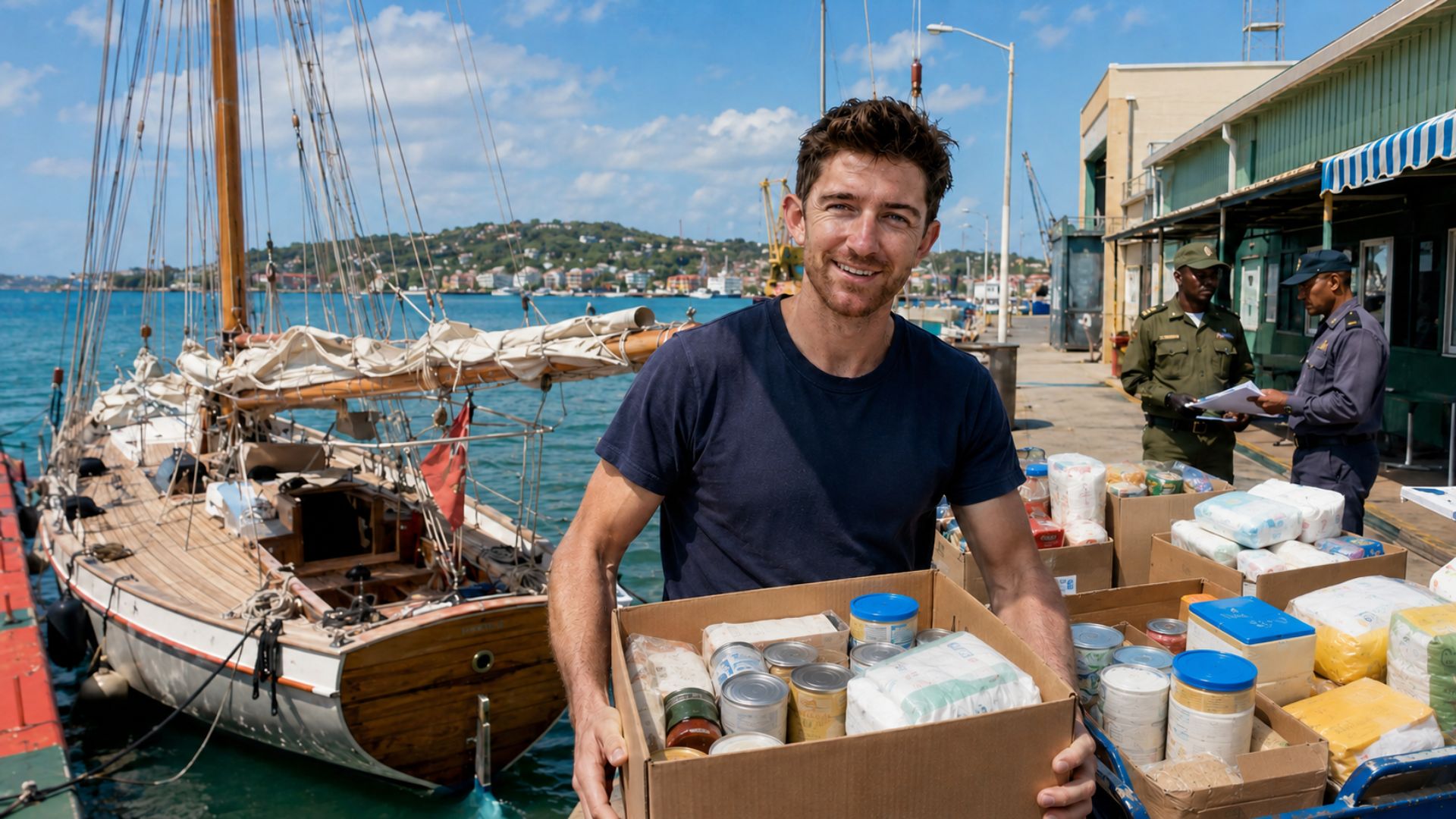
Sailor sails alone from Panama to Cuba carrying just over US$ 7,000 in food, medicine, and baby formula, spends hours at Santiago de Cuba customs, and delivers everything to Cáritas, linked to the Catholic Church, to distribute to the population.

-
In the middle of a forest in the USA, a couple transforms over 1,500 recycled tires, bottles, cans, and clay into an ecological mansion, builds 90% of the house with their own hands, and puts the nearly 7-acre self-sustaining refuge up for sale for $1.3 million.

-
Cutting board created in the Netherlands uses material made by microorganisms, measures 30 x 20 cm, and aims to eliminate microplastics that can end up in food during daily preparation.

-
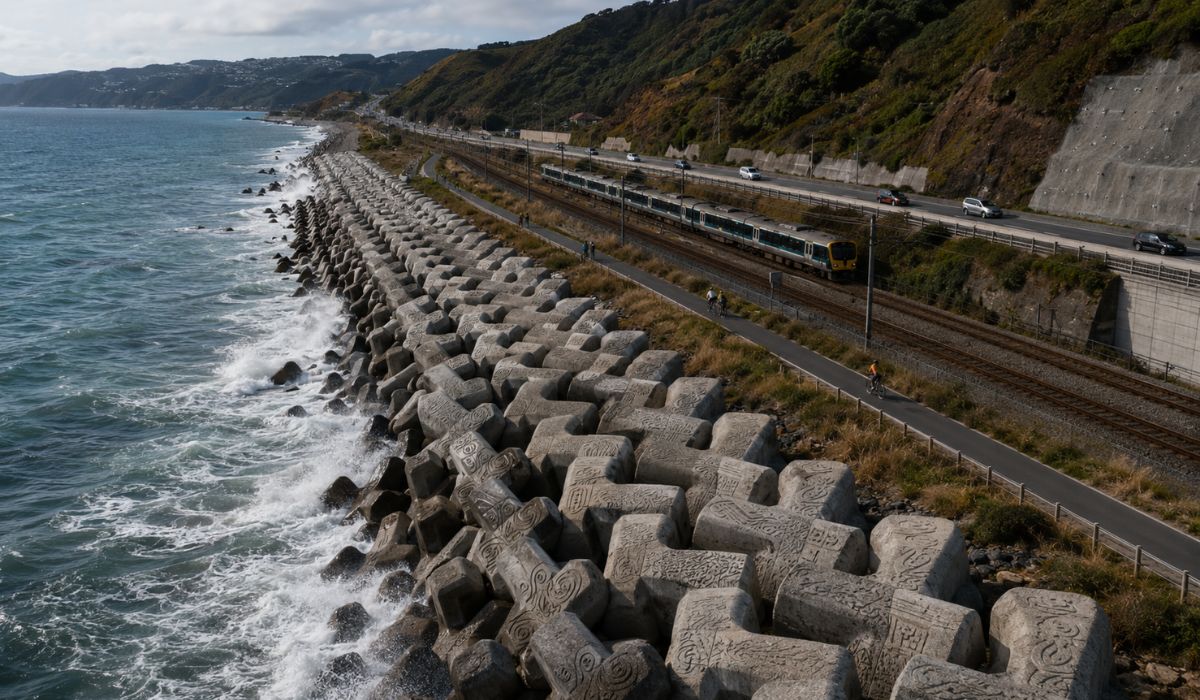
New Zealand aligns nearly 7,000 X-shaped concrete blocks like puzzle pieces to protect railway, highway, and cycle path against waves, erosion, and earthquakes on one of Wellington’s most sensitive coasts.



The text was approved by both houses of the Russian Parliament in July, despite protests from opposition lawmakers. Deputy Boris Nadejdin compared the measure to the totalitarian regime described in the book 1984 by George Orwell. “This law punishes thought crimes,” he declared.
Stricter Control Since the War in Ukraine
Since the beginning of the war against Ukraine in February 2022, the Russian government has intensified its repression of dissent. Independent media outlets have been shuttered, human rights organizations have been labeled as “foreign agents,” and hundreds of activists have faced criminal charges.
With the new law, the state communications regulator is expanding its role, using technology to track internet traffic and block VPN protocols in real-time. Despite the official justification that only “repeat users” would be penalized, the government has not clarified how it will distinguish between occasional access and systematic searches.
What Is Prohibited:
- Pussy Riot Publications
- Websites Linked to Alexei Navalny
- Pro-Ukraine Pages
- Profiles of Western Companies, such as Meta
- Songs and Works Criticizing the Kremlin
- Promoting VPN Services
Do you believe that this type of digital censorship will become a trend in other countries? Or is it an isolated case of the Russian regime? Share your opinion in the comments — your perspective is essential for this global debate on internet freedom.





Be the first to react!