






 Portuguese
  Spanish


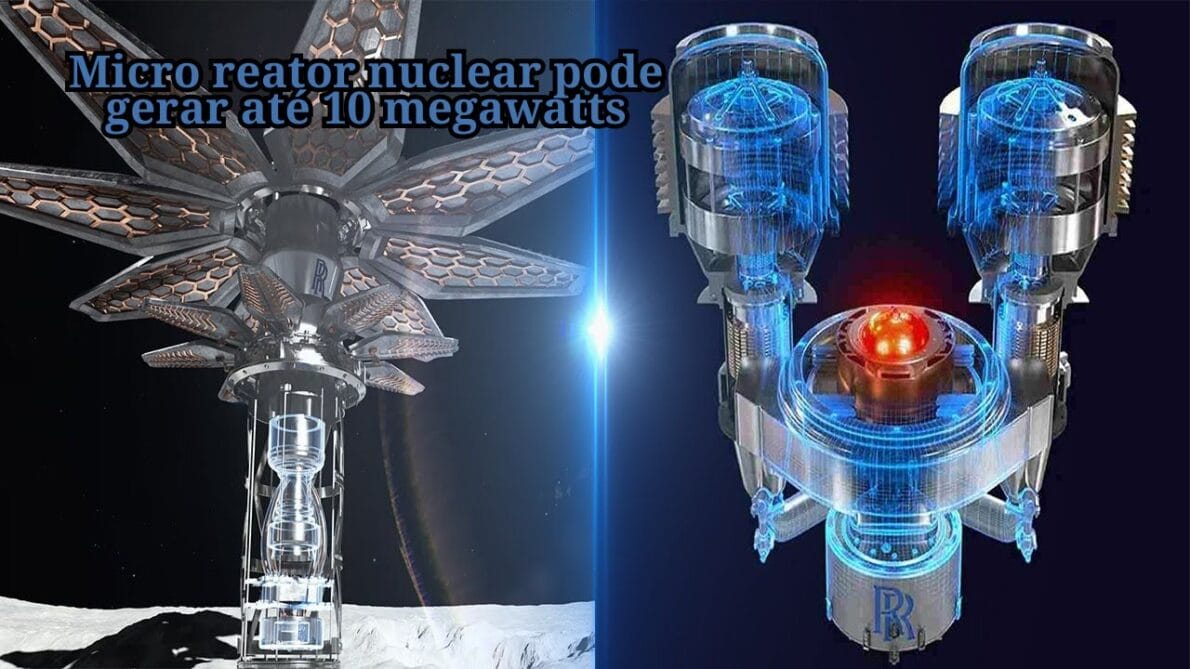

A New Energy Source Emerges on the Horizon of Space Exploration, With the Potential to Radically Transform Operations in Space. The Revelation of the Micro Nuclear Reactor by Rolls-Royce During a Conference in the United Kingdom Left the World Speechless, Although the Project is Still in the Preliminary Phase.
The idea of a micro nuclear reactor that can generate up to 10 megawatts of energy brings impactful comparisons. To give you an idea, the International Space Station (ISS) can only produce 120 KW with solar panels. This new energy source would be several times more powerful than any system currently available in space.
The Challenges and Potentials of This New Energy Source
Despite being a revolutionary new energy source, the micro nuclear reactor raises several questions. One of the major challenges is whether this type of technology could be safely launched into space, considering the radioactive material involved. The conversion of energy is also a critical point: what kind of process will be used to transform thermal energy into electrical?
Conventional reactors, such as those used in submarines and warships, operate by converting heat generated by nuclear fission into electricity through steam turbines. However, transporting this technology to space requires ingenious solutions. A micro nuclear reactor, however, could be miniaturized and optimized for extreme environments, such as the surface of the Moon or Mars.
-
Fired during apartheid and with a little borrowed money, an electrician started with a borrowed truck and transformed electrical services into a group connected to energy, real estate, and infrastructure in South Africa.

-
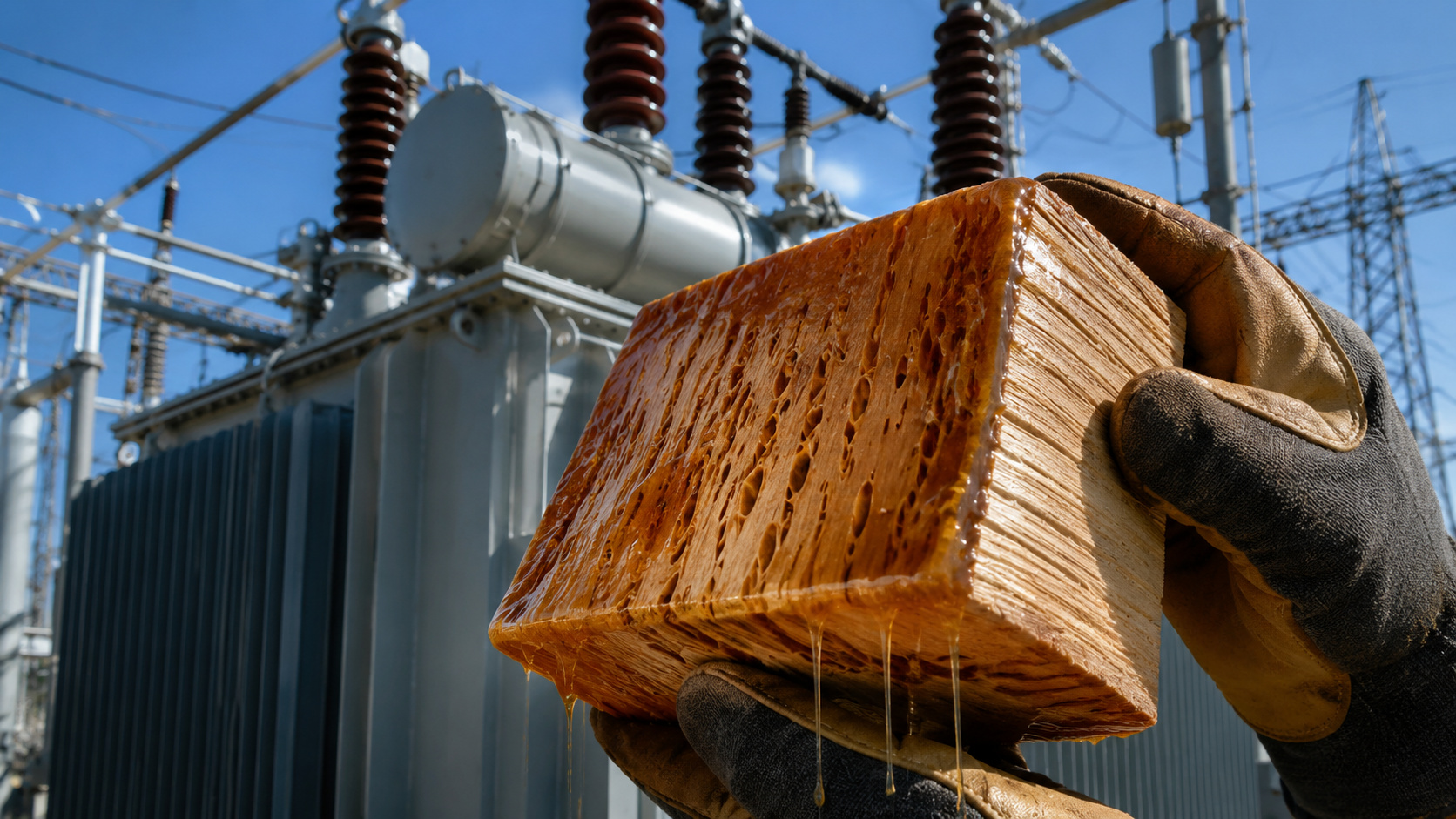
Wood has ceased to be just a construction material in Yale research and has become insulation for electrical transformers that face intense heat, aging, and increasing pressure from the renewable energy-powered grid.
-
More than 1,000 residents of a remote island in Kiribati now have clean water and electricity with solar systems operated by the community itself.
-
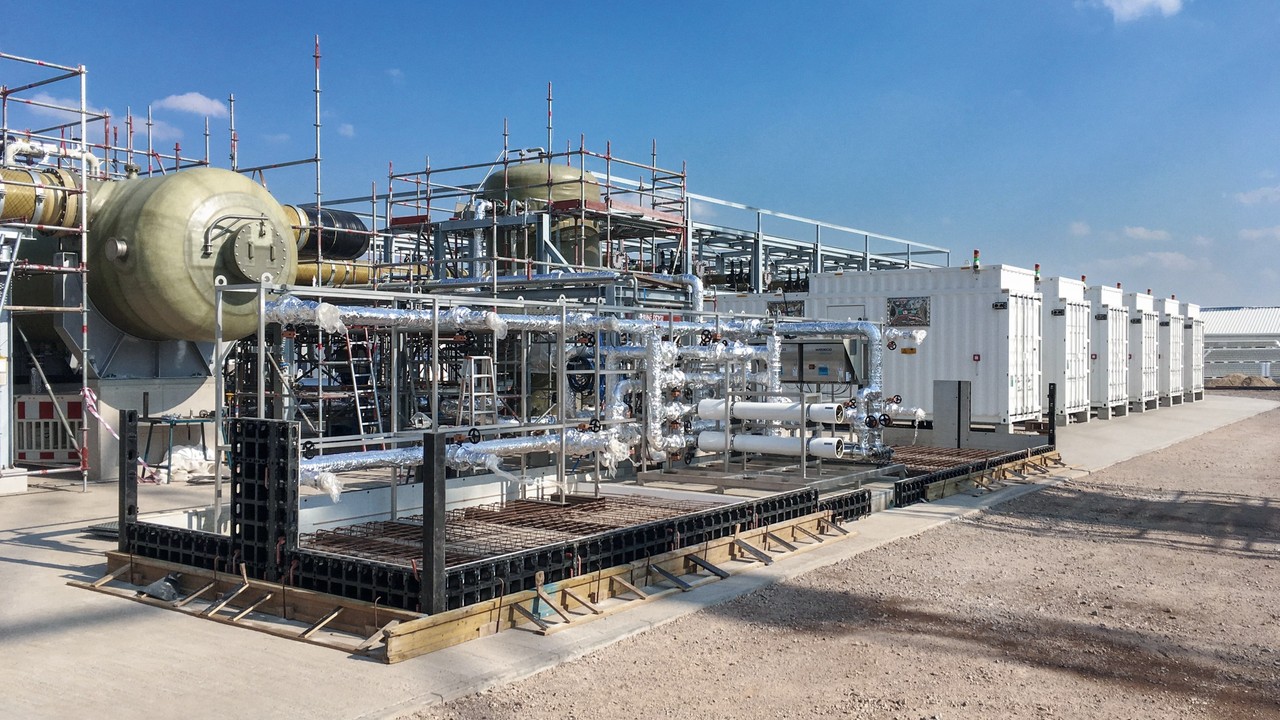
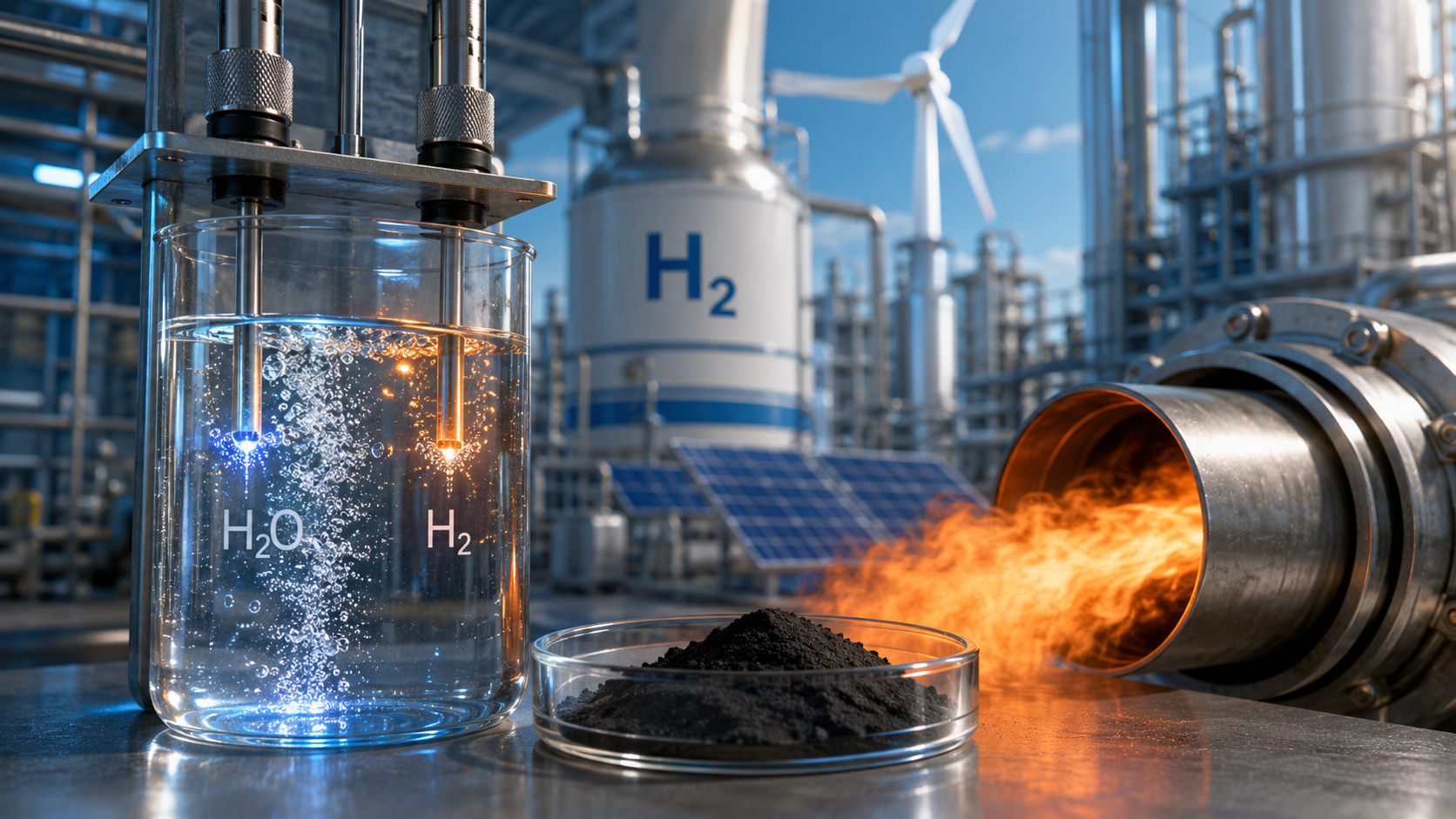
Ceará brings together 7 giants and R$ 66 billion to transform Pecém into the largest green hydrogen hub in Brazil, with final decisions expected by the end of 2026.



A Power That Exceeds Expectations
The project presented by Rolls-Royce highlights that, with adjustments and improvements, the micro nuclear reactor could provide energy continuously for up to 10 years, which would be crucial for long-duration missions and permanent space bases. This technology would not require frequent refueling, making its maintenance in space easier.
Despite the uncertainties, there are already precedents for nuclear sources in space. The iconic Pioneer 10, launched in 1972, used radioisotope generators to reach the edge of the solar system. However, this system generated only 100 watts, which is insufficient for modern applications. The new nuclear reactor promises significantly greater efficiency.
Safety Implications and the Future of Space Exploration
There are still concerns about the safety of sending a new energy source nuclear to space. Handling radioactive materials during a space launch always carries risks, and the need for an efficient energy conversion system is crucial for the success of this project.
Despite the challenges, expectations are high. Could the micro nuclear reactor be the solution for future colonies on other planets? Would it be ready to provide large-scale energy in a safe and sustainable way?
Do you think this technology will really take off? Would this be the necessary step to take us to new frontiers in space? Leave your opinion in the comments!








Reatores nucleares precisam de água para operar e esse mono reator não usa. Está mais para Fake News.