





 Portuguese
  English
  Spanish
  3 min of reading
  0 comments


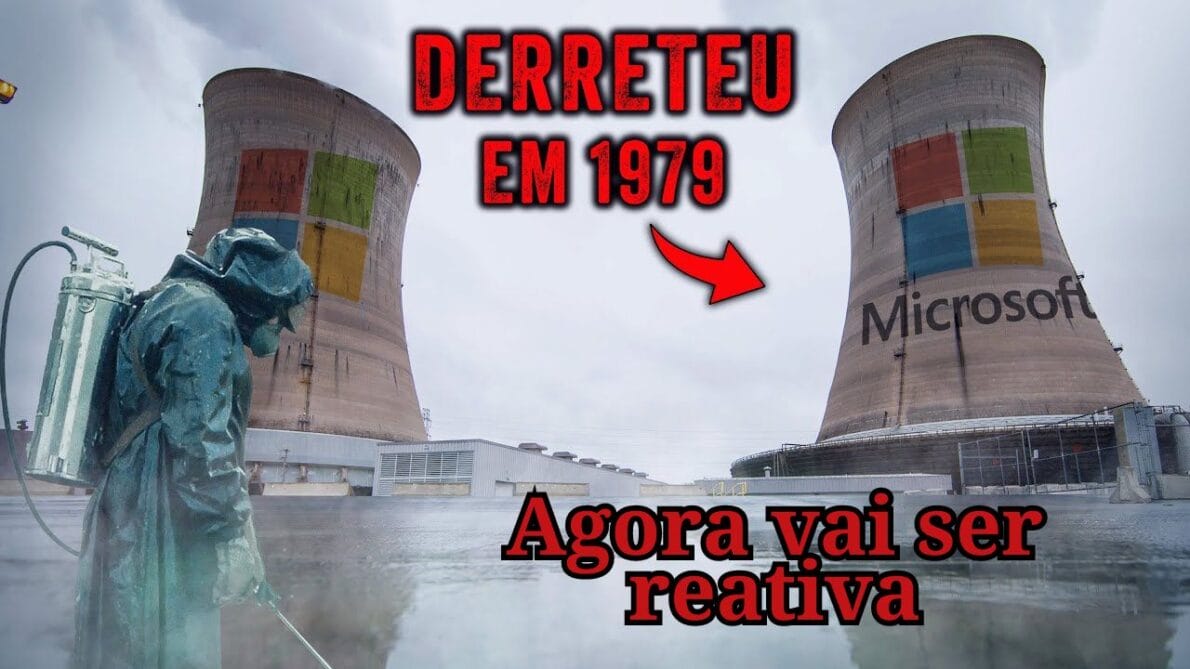
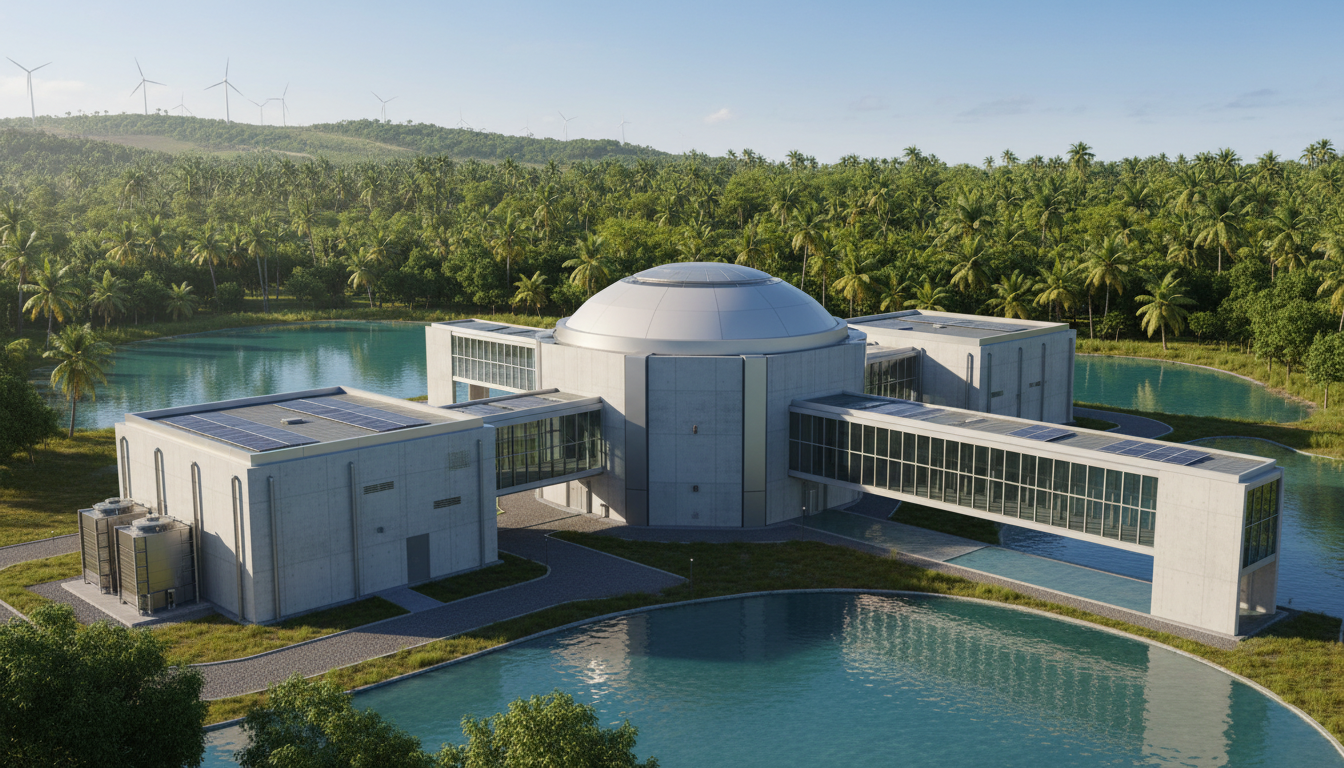
The nuclear plant that starred in the worst nuclear accident in US history in 1979 will be reactivated. This time, with a very different mission: to provide energy exclusively for Microsoft. With a 20-year contract, all the production of the plant will be directed to the tech giant, sufficient to supply a city of 1 million inhabitants in Brazil. Impressive, right?
In times of expanding artificial intelligence (AI), companies like Microsoft, Google, and Meta are consuming absurd amounts of energy. To give you an idea, the energy consumption of these three companies is equivalent to that of 25 million households in Brazil, or about 71 million people. Microsoft alone demands 198 MW for its data centers, and the search for stable and clean energy sources is essential to meet this need, where the nuclear plant comes in.
Reactivation of the Nuclear Plant: A Solution for the Future of Microsoft
After years of inactivity, the Three Mile Island nuclear plant, located in Pennsylvania, is ready to get back online, supplying an impressive 835 MW directly to Microsoft. Although it was shut down in 2019 due to competition with natural gas and renewable sources, the landscape has changed. The growing energy consumption driven by artificial intelligence and Microsoft’s carbon neutrality goal by 2030 has brought a new opportunity for the plant.
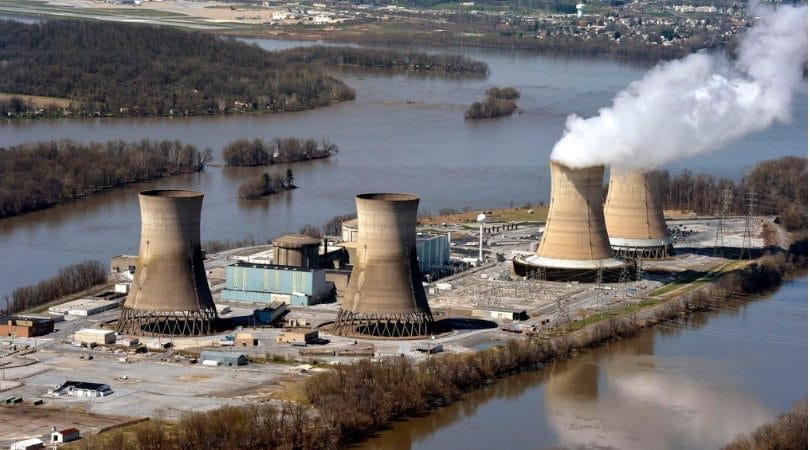
The reactivation of the nuclear plant represents a bet on the future, as nuclear energy, although not renewable, is clean and constant, unlike wind and solar sources that depend on weather conditions. This energy stability is vital to keep Microsoft’s data centers operating 24 hours a day, without relying on weather fluctuations.
-
Nuclear company backed by Bill Gates partners with Hyundai for next-generation 345 MW nuclear reactor

-
Russia is sailing all 8 nuclear icebreakers of its fleet simultaneously for the first time in history, as the Arctic freezes two weeks earlier than expected.

-
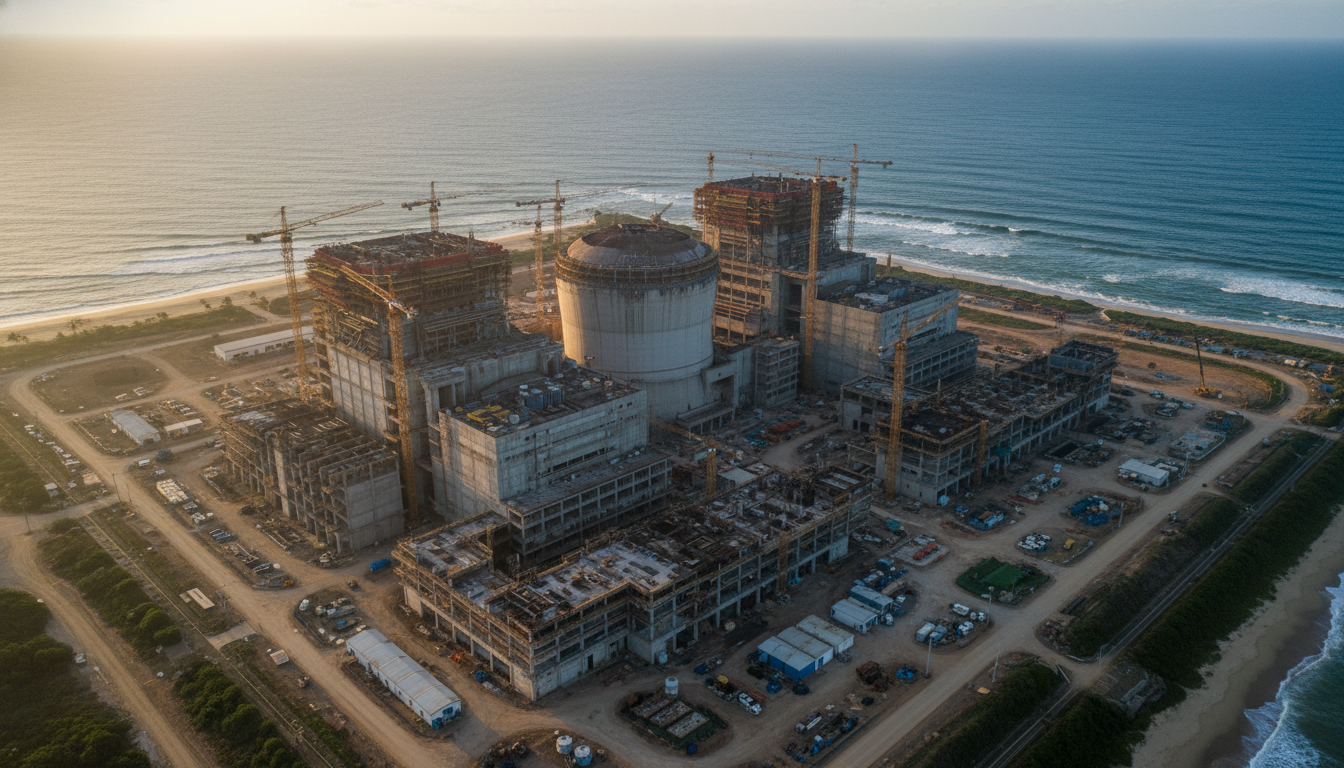
With 39 years of halted construction and R$1 billion draining annually without generating a single watt, Angra 3 has become a ticking time bomb for Eletronuclear — while China put 20 new reactors into operation in the same period.
-
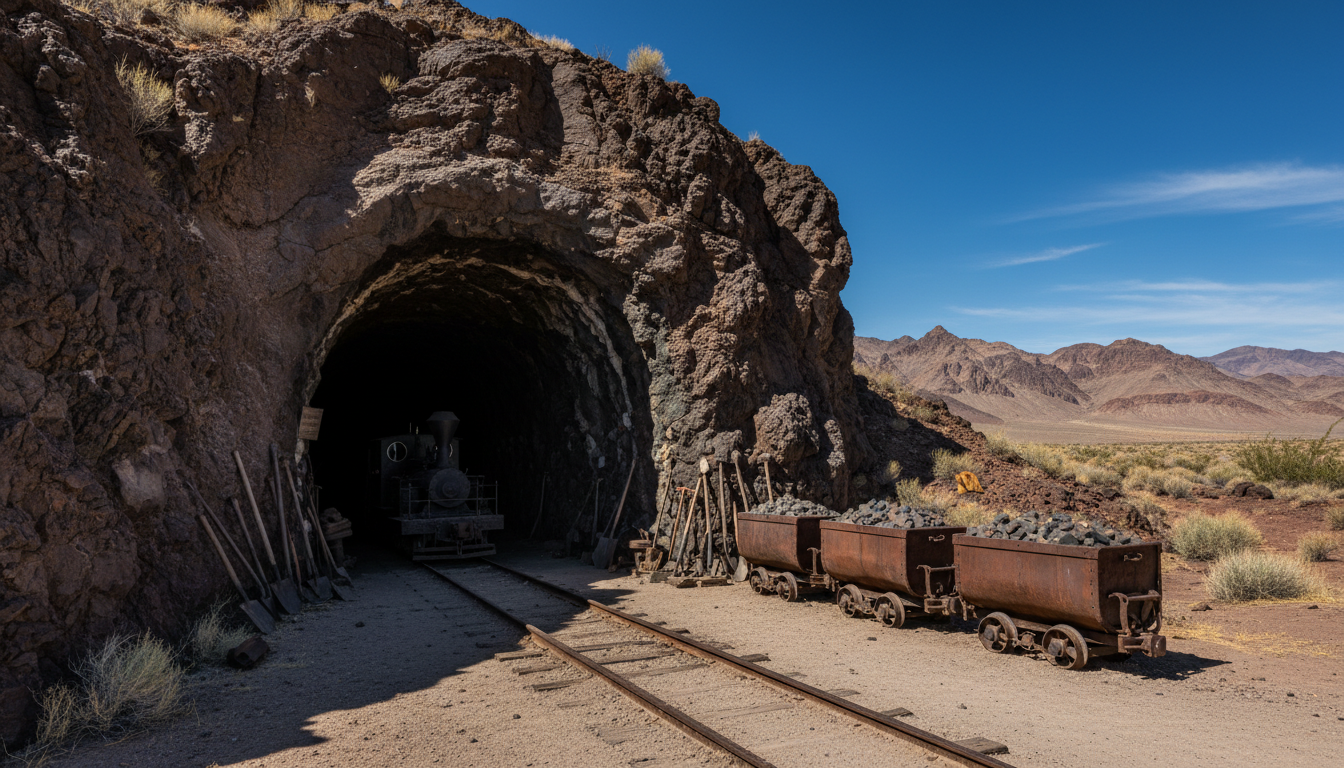
The United States spent US$ 15 billion to excavate 8 km of tunnels inside a mountain in the Nevada desert — the world’s safest nuclear waste repository was ready, but never received a single barrel of waste.


The importance of this movement extends beyond Microsoft. Currently, data centers consume about 2% of the world’s energy, and this number is expected to grow by 160% by 2030. In other words, ensuring stable energy sources will be crucial for the future of companies that rely on AI.
Environmental Impact and the Challenges of Using Nuclear Energy
The use of energy in nuclear plants still generates debates. Although it does not emit polluting gases, it is not considered a renewable source, which raises questions about the long-term environmental impact. In the United States, only 40% of energy comes from renewable sources, compared to over 90% in Brazil. This highlights the challenge that developed countries face in balancing technological growth with sustainability.
Can Brazil benefit from this movement? With a predominantly clean energy matrix and an increasingly attractive infrastructure for data centers, such as the recently announced investment in Rio Grande do Sul, the country has the potential to attract more of these large technological projects.
What do you think about Microsoft’s strategy to reactivate a nuclear plant to meet its energy demands? Is this the ideal solution for the growth of AI? Let us know!







Be the first to react!