






 Portuguese
  Spanish


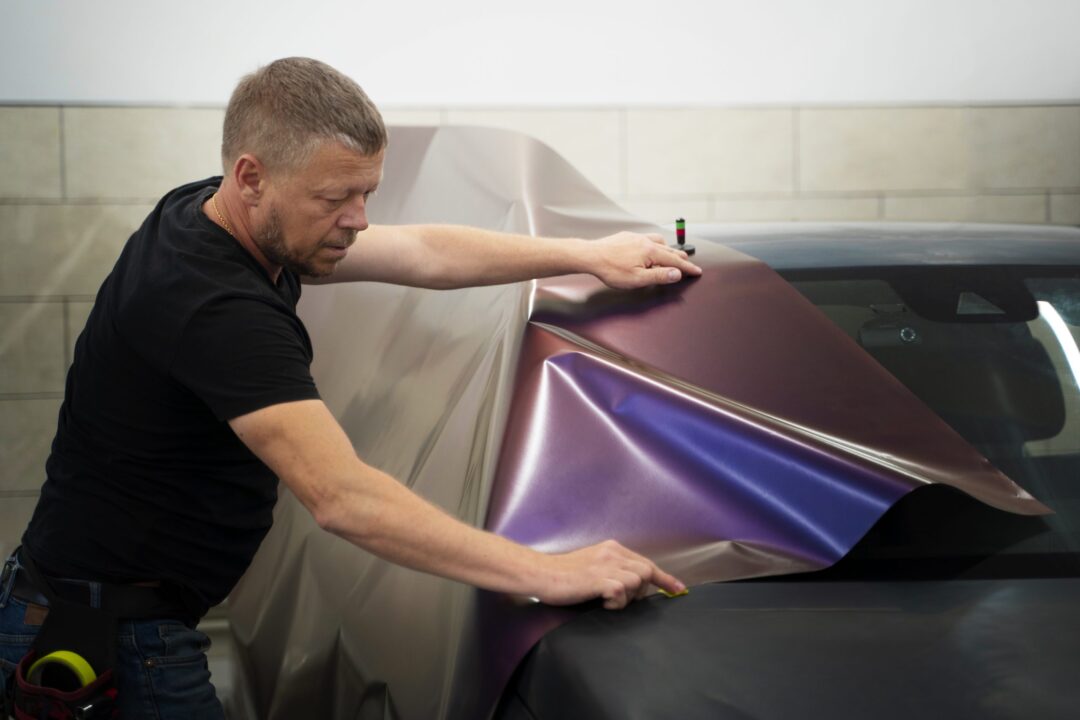
The New Insulfilm Law Generates Fines in 2024 and Underwent Several Changes at the End of Last Year. Know What Changes and Don’t Be Caught off Guard by the New Legislation.
All drivers who care about their safety apply insulfilm to their cars. However, it is important to be aware of a new insulfilm law, which when not in compliance, incurs a heavy fine and prohibition from driving the vehicle. The National Traffic Council (Contran) is one of the bodies responsible for making essential changes to traffic laws. Thus, it aims for greater safety for drivers, but those who do not follow the rules end up being harshly penalized.
Understand the Function and Importance of Insulfilm
At the beginning of last year, there was a change regarding the use of insulfilm in vehicles. For curiosity’s sake, insulfilm is a solar control film for glass and is made of a polyester film coated with a thin layer of metal. So thin that it is almost imperceptible to the human eye. This means that the films are transparent when applied to the glass.


Insulfilm works as follows: the metal layer reflects undesirable sunlight, controlling heat and solar light to satisfy all environments, with pigments added to the film. They beautify and protect, enhancing the aesthetic appeal of the vehicle. The automotive films that impair the visibility of those outside the car observing what is inside the vehicle vary according to the percentage.
-
Volkswagen to Cut Production by 1 Million Cars by 2030, Reducing Jobs and Platforms, Focusing on More Profitable Models

-
Toyota Launches First 100% Electric Car in Brazil: bZ4X with 343 HP, All-Wheel Drive, 361 km Range, Priced at $419,990 BRL, Limited to 99 Units

-
Chinese SUV Achieves 24.4 km/l, Outperforms Toyota Yaris Cross in Real-World Tests with 224 hp Hybrid System, Offers 51-Liter Tank for Greater Range, and Costs Up to R$ 5,000 Less.
-
Uber Black Revamps Fleet, Drops Ten Car Models and Sets Deadline for Electric BYD Dolphin


The installation of this material is generally for greater safety, considering that in the event of potential robberies, criminals cannot see from afar how many people are inside the car or who the passengers are.
Main Changes
In 2023, the insulfilm law underwent important updates, bringing new rules that directly impact drivers. One of the main changes is related to the minimum transparency allowed for the vehicle’s windows.
According to the new regulation, the windshield must allow at least 75% visibility, ensuring greater safety during driving, especially in low-light conditions. The front side windows must have a minimum transparency of 70%, while the rear side windows and rear window can have up to 28% transparency.
Another significant change in the law is increased enforcement and imposition of stricter fines for those who do not comply with the requirements. Drivers using films outside the established standard can be fined up to R$ 195.23, in addition to receiving 5 points on their driver’s license. Furthermore, the use of insulfilm that impairs internal visibility of the vehicle, such as reflective or mirrored films, is now prohibited. This includes both passenger and commercial vehicles.
The new rules aim to enhance traffic safety, improving visibility for drivers and preventing accidents caused by lack of clarity in the windows. Drivers who violate these regulations not only face penalties but may also have their vehicle impounded until the insulfilm is regularized.
The Market Brings Various New Types of Film
The new insulfilm law generates fines, but the accessory market is more developed and offers many options.
For those who seek only safety, there are protective films that serve to prevent a criminal from breaking the glass to access the interior of the vehicle. It may not be the same as bulletproof glass, but it already helps in risky situations.
Another novelty in the market is phototropic insulfilms, which are dark on the outside while the view inside appears as if it were without film. Although it seems like the ideal type of film, it is not compliant with the new law, as light transmittance is measured from the outside in.





Be the first to react!