






 Portuguese
  Spanish
  4 min of reading
  0 comments


Margins close to R$ 80,000 in the MG Cyberster and gains superior to traditional brands make Brazilian dealers reconsider their resistance to Chinese vehicles and plan new expansion in the automotive sector
Profit margins reaching close to R$ 80,000 in the MG Cyberster are accelerating the interest of Brazilian dealers in Chinese cars. The movement, observed over the past three years, changes the perception of Chinese brands, increases competition in the automotive sector, and could open space for around 2,000 new operations in Brazil.
Cyberster’s profit becomes a showcase for Chinese brands and cars
The Cyberster, a model from MG, has become one of the strongest examples of the new phase of Chinese automakers in the Brazilian market.
The car has generated margins close to R$ 80,000, a figure that catches the attention of dealers used to smaller results in traditional brands.
-
New Honda HooRide 125 scooter debuts in China with ADV styling, 17-inch wheels, TFT panel, Smart Key, and fuel consumption of up to 47.17 km/l, aiming to resemble an urban X-ADV with a 125 engine, CVT transmission, and an economical proposal for cities.

-
Volkswagen focuses on ethanol and tests a Saveiro 100% alcohol-powered with a recalibrated engine; the project may ensure tax reduction, targets corporate fleets, and revives technology that lost ground since the arrival of flex-fuel vehicles in 2003.

-
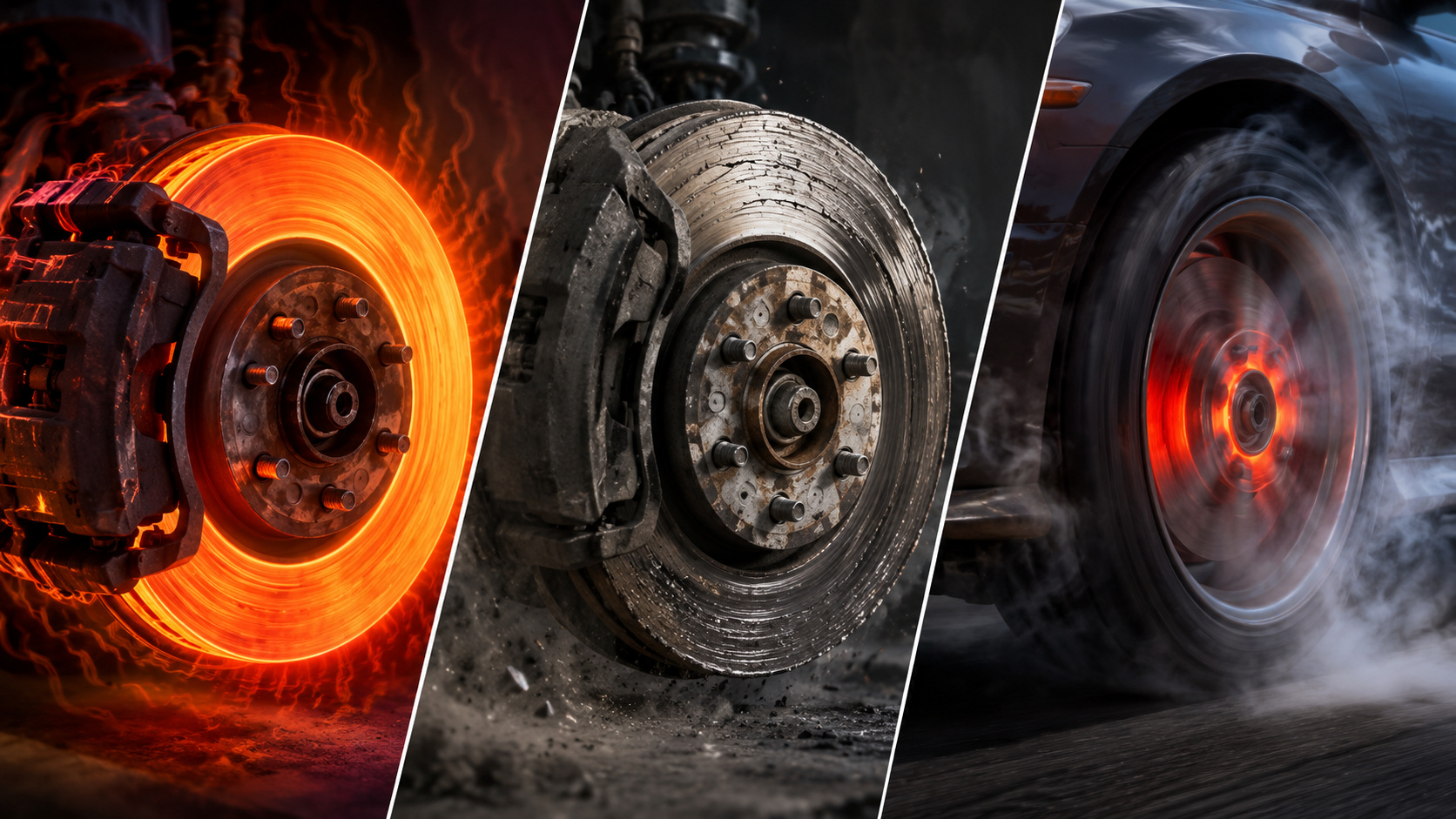
Keeping your foot lightly on the brake pedal while driving may seem harmless, but mechanics warn: this habit generates constant heat, wears out the pads too quickly, and can warp the discs, making braking expensive and dangerous.

-
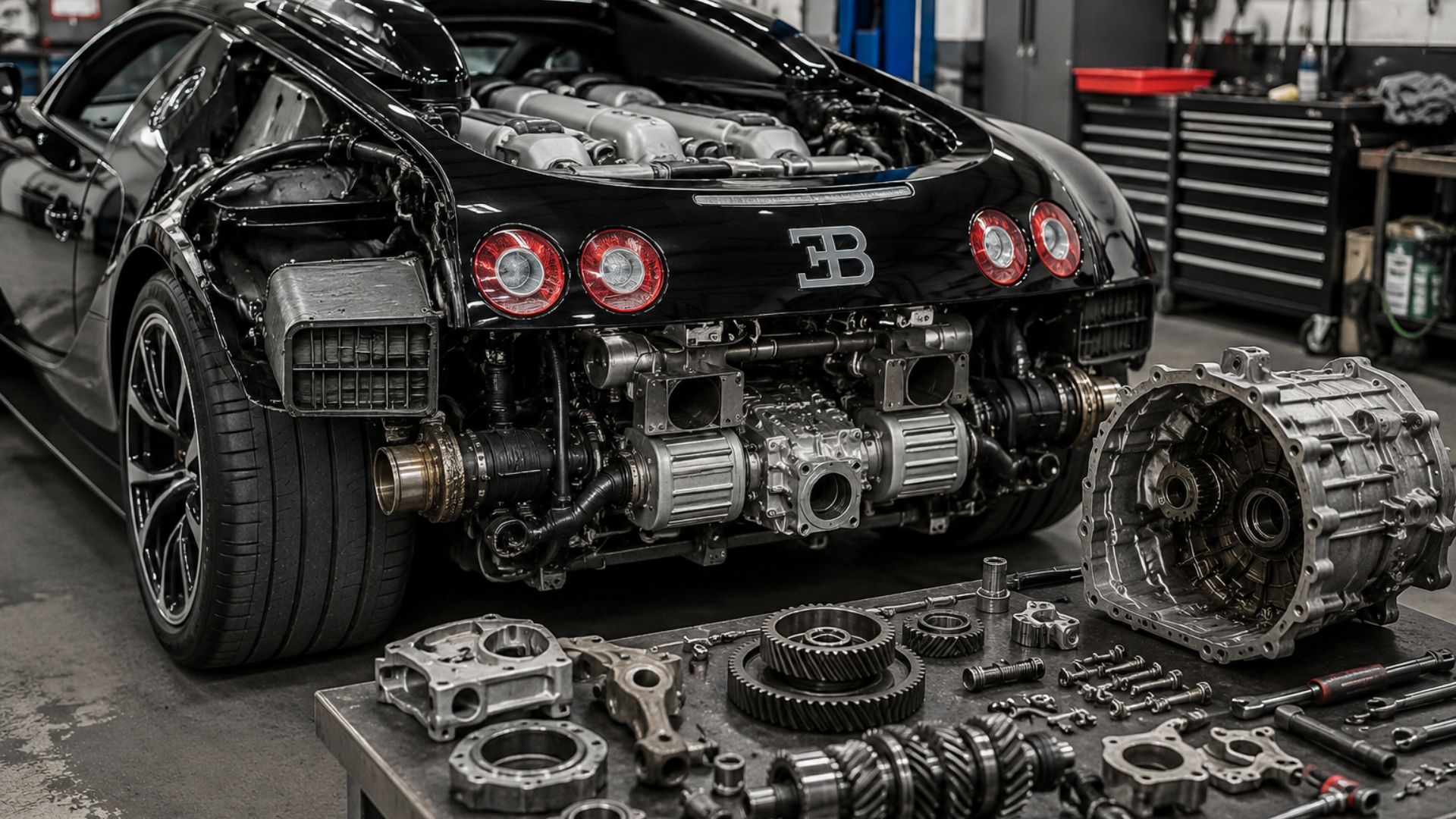
The YouTuber Mark McCann bought a Bugatti Veyron for almost $1.2 million, but discovered that the supercar’s gearbox is so damaged that even Bugatti itself won’t accept to repair it, and the repair could cost a fortune.


This data has become a factor in the decision-making of dealers who previously viewed Chinese vehicles with skepticism.
The change is not only due to the arrival of new models but also the possibility of operating with higher profitability per unit sold.
In other MG vehicles, reported margins range between R$ 7,000 and R$ 10,000 per unit. This value also surpasses the R$ 4,000 benchmark considered satisfactory in traditional brands, which helps explain the growing interest from entrepreneurs.

Dealers seek higher margins and more predictable operation
Profitability has become one of the main attractions of Chinese automakers. For dealers, the difference between selling with a tight margin and operating with a higher gain changes store planning, stock management, and return expectations.
In traditional brands, earnings often depend on factory bonuses and compensations linked to sales volume.
This model pressures the dealer to sell more to achieve results considered adequate.
Among Chinese brands, the margin already appears more favorable from the sale of the vehicle. This condition reduces the dependence on additional compensations and makes the operation more predictable for those investing in a dealership.
A sector representative stated that the operational logistics and financial conditions offered by Chinese brands are attracting many dealers. The interest may have a direct impact on the expansion of stores in the country.

Expansion could lead to 2,000 new operations in Brazil
If the scenario continues, the projection cited by the sector is about 2,000 new operations linked to Chinese brands in Brazil in the coming years. The number indicates a significant change in the automotive distribution network.
The expansion does not depend solely on consumer acceptance. It also involves the decision of entrepreneurs who control sales points, analyze risk, necessary capital, and potential return.
In this environment, Chinese cars present themselves as an alternative with lower entry costs and more attractive margins.
This helps explain why dealers who previously resisted the segment have started considering new brands.
The opening of traditional dealerships usually requires high investments, which can exceed tens of millions, considering structure, brand strength, and operational standards.
For Chinese brands, the cited requirement is lower and more focused on the necessary operational investments.


Production cost and scale reinforce Chinese competitiveness
The competitiveness of Chinese automakers is also linked to the production structure. A study presented by consultant Rogélio Golfarb, former vice president of Ford, pointed out a cost difference of approximately $4,700 between models produced in China.
The strategy involves vertical integration and production scale. By controlling more stages of the production process, manufacturers reduce intermediaries and gain space to work with competitive prices without sacrificing profitability.
This model helps explain how Chinese companies can offer more attractive conditions to the market.
The effect appears both in consumer sales and in the return offered to dealers.
The change puts pressure on traditional automakers, who operate in an environment of smaller margins and greater dependence on volume. For dealers, the comparison becomes less about brand origin and more about financial results.
Lower initial investment increases interest from new entrepreneurs
The initial investment also influences the choice of dealers. In a scenario of seeking businesses with lower risk and higher margins, Chinese brands reduce entry barriers for entrepreneurs who want to operate in the automotive sector.
The combination of higher margins, more accessible operating costs, and expansion expectations creates a new arrangement in the market. This can increase the presence of Chinese brands in different regions of the country.
For the consumer, the practical effect tends to appear in the expansion of vehicle offerings and the growth of competition among brands. For dealers, the main attraction of Chinese cars lies in the possibility of more predictable returns.
The transformation is still underway, but margin data and the projection of new operations show that Chinese automakers are no longer seen just as a gamble.
They have started to occupy space in the investment decisions of an important part of the Brazilian automotive retail sector.
This article was prepared based on information from the base material provided, with data, numbers, and statements preserved according to the consulted material.



Be the first to react!