Portuguese
  Spanish


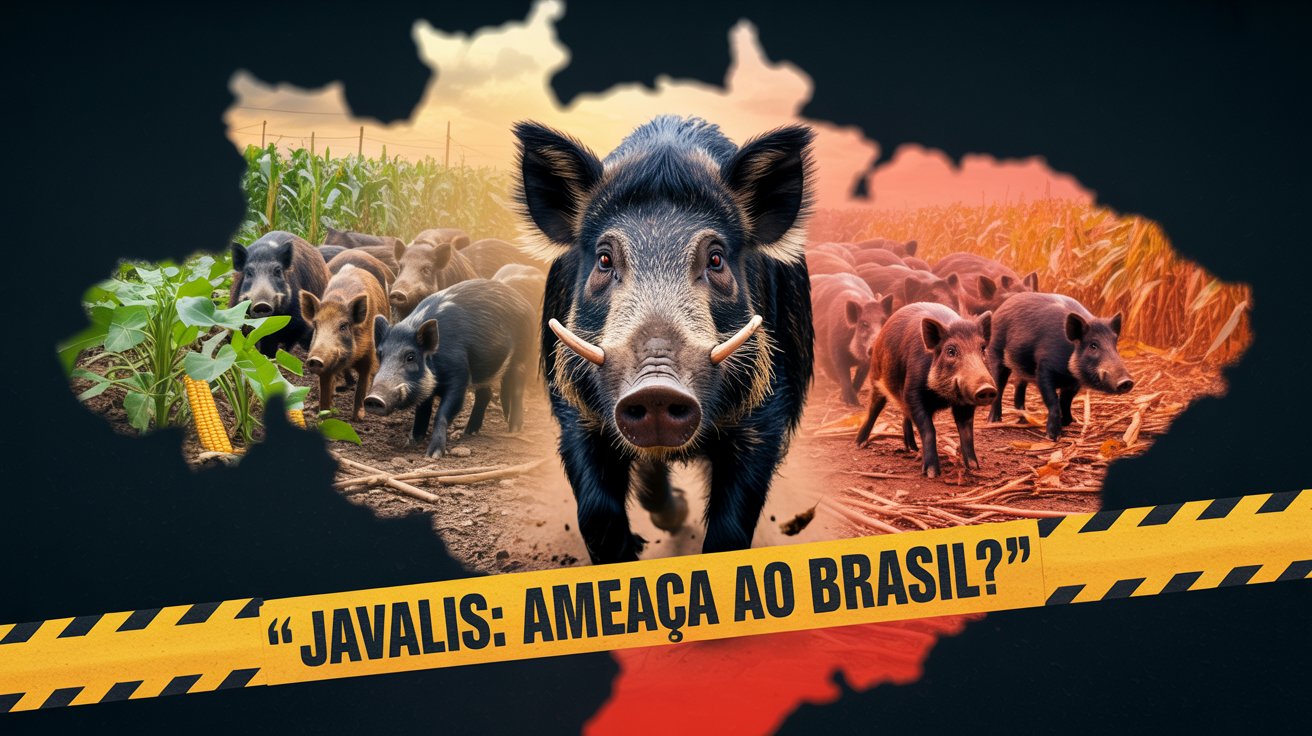


Invasive Species Threatens Crops, Biodiversity, and Livestock, While Bill Proposes Decentralization of Management, Remuneration of Accredited Hunters, and Utilization of Meat to Contain Population Growth That Concerns Producers and Authorities.
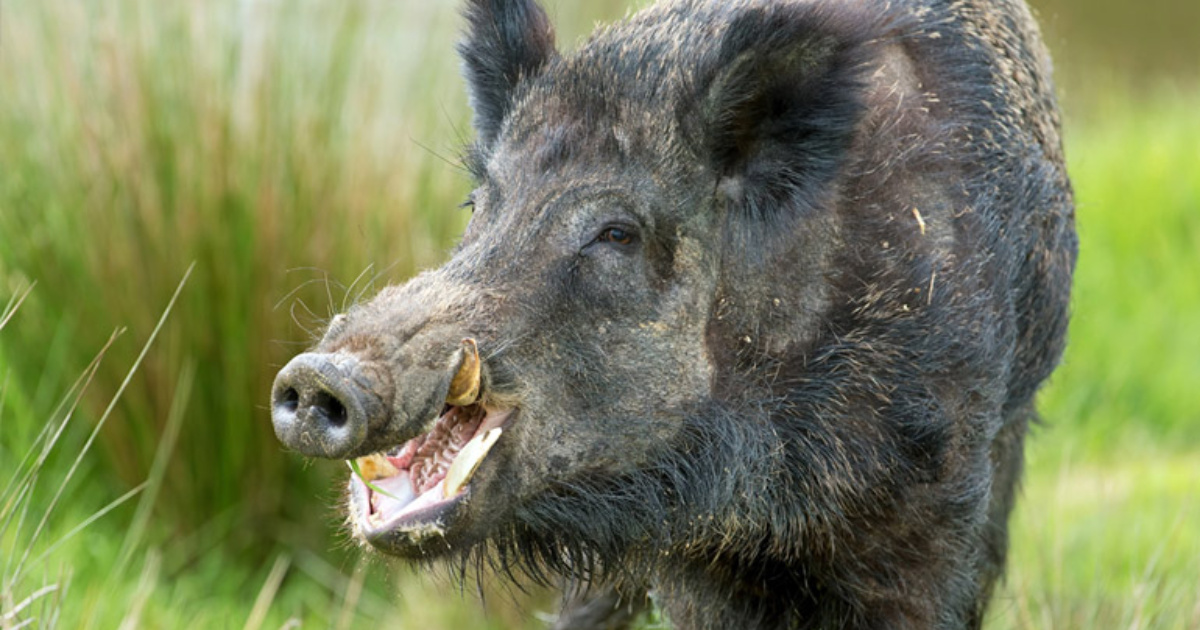
The escalation of damage caused by wild boars and feral pigs has reignited the debate in Congress and the agribusiness sector regarding new management rules.
Amid the pressure for quick responses, Deputy Alceu Moreira (MDB-RS), institutional coordinator of the Parliamentary Front for Agriculture, advocates for changes in legislation to decentralize control currently concentrated in Ibama and remunerate accredited hunters.
The goal, according to estimates cited by industry entities, is to increase the slaughter rate to around 1 million animals by 2025, after a year in which approximately 500 thousand would have been eliminated without containing the population growth.
-
India’s Sugar Export Cuts and Ethanol Shift Amid El Niño Threat Could Impact Global Prices and Stocks

-
Quarantine Pest Threatening Palm Trees Puts Brazilian Authorities on Alert, Prompts Monitoring at University of Taubaté and Potential Control Measures Across São Paulo
-
Global Alert: Report Finds 159 Pesticides in Coffee Beans Sold in Europe, Posing Serious Risks to Millions of Farm Workers
-
Low-Demand Brazilian Beef Offal Gains Popularity Abroad: Indonesia Purchases $19.5 Million, Boosting Revenue and Reducing Waste



Proposal Under Discussion: Decentralization and Agility
At the center of the debate is the PL 4253/2025, pointed out by the parliamentarian as a means to transfer part of the management decisions to states and municipalities.
The idea is to allow for quicker responses in areas where losses accumulate.
“It is not correct to imagine that the people living in municipalities, who are constituted authorities, are less responsible than those from Ibama. They have local means to carry out control,” said Moreira, defending a national regulation that grants autonomy based on the sanitary and population situation in each region.
Meanwhile, municipalities and state governments report difficulties in acting within what is considered a bureaucratic framework.
For the supporters of the change, local management would allow for fencing, captures, and culling in shorter time frames, reducing damage to rural properties.
Field Pressure: Crops and Livestock at Risk
The advance of the invasive species affects two fronts: agricultural production and animal health. In corn and soybean crops, producers report losses that, in some areas, can reach 40%.
In addition to direct consumption, there are reports of degradation of springs, soil disturbance, and competition with native species, which exacerbates impacts on biodiversity.
The health risk is also concerning. The wild boar can act as a vector for classical swine fever and, in critical scenarios, compromise disease prevention strategies with direct impacts on the sanitary status of the country, such as foot-and-mouth disease.
For agriculture, losing credentials as a country free from these diseases means facing barriers in international markets and additional costs to regain trust.
Numerical Targets and Recent Slaughter History
Entities monitoring the issue point out that the contingent slaughtered in 2024 — estimated at 500 thousand animals — was not sufficient to reduce the population.
For 2025, the reference of 1 million arises as a necessary threshold to contain the growth curve and mitigate losses.
The evaluation is that, without coordinated and ongoing actions, the sporadic management gains are lost in the species’ accelerated reproductive cycle.
Remuneration and Scale: Accredited Hunter as Executor
In addition to decentralization, Moreira proposes bonuses for accredited hunters, equating the fight against wild boar to other public interest tasks.
“If the wild boar is a pest that threatens the economy and public health, control should be a duty of the state, just as it is in fighting dengue. But if the state is not willing to take on this task alone, it needs to pay those who do,” he said.
The logic is to create operational scale and predictability for those working in the field, with technical criteria, traceability, and oversight.
Inspired by foreign experiences cited by supporters, the paid model seeks to standardize procedures, reduce risks, and expand the reach of actions in critical areas.
On the other hand, remuneration is conditioned, in the proposal, to accreditation and compliance with protocols, avoiding improvisation and ensuring operation records.
Utilization of Meat: Protein Under Inspection
The parliamentarian also argues that wild boar meat should not be discarded when there is veterinary inspection and adequate sanitary conditions.
According to him, regional slaughterhouses could absorb part of this protein for human consumption, reducing waste.
The premise is that each animal slaughtered generates social and economic returns, without compromising strict sanitary control.
Voice of the Sector: “Time Bomb” for Agriculture
The Brazilian Association of Hunters Here Has Wild Boar assesses that the situation has reached a critical point.
Its president, Rafael Salerno, classified the scenario as a “time bomb against Brazilian agriculture,” differentiating the control of the invasive species from illegal hunting of native fauna, such as capybaras and jaguars.
For him, the complete extinction of the wild boar is no longer feasible, and the focus should be on reducing damage in a continuous and scaled manner.
Resistance and Safeguards: The Political Impasse
Despite the pressure from the field, the agenda faces ideological resistance in sectors opposed to hunting and the use of firearms.
Critics fear that expanded authorizations for wild boar will serve as a gateway for abuses against native species.
Moreira counters: “There is distrust that, by allowing wild boar hunting, the hunter will also hunt other species. That is absurd. The country cannot be regulated by distrust. The wild boar hunter is disciplined, belongs to associations, and does not want to lose their rights.”
At this point, the discussion shifts to the regulatory framework: clear rules for accreditation, monitoring by state and municipality, slaughter registration, geographical limits, and safety standards are cited as instruments to prevent deviations and punish irregular conduct.
Meanwhile, experts insist on the need for permanent campaigns, assessment of population indicators, and transparency in data disclosure.