






 Portuguese
  Spanish


New Standard NBR 17193 Brings Significant Changes to the Photovoltaic Sector. Understand What Changes in the Solar Energy Rules and How This Affects Consumers, Installers, and Companies in the Sector.
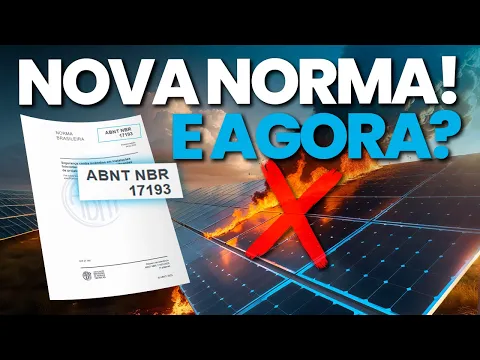
A new technical standard is significantly changing the rules for solar energy systems in Brazil. Published in 2025, the NBR 17193 establishes a series of new safety requirements, especially related to fire prevention and combat in photovoltaic installations — both residential and commercial and industrial.
Developed by the Brazilian Association of Technical Standards (ABNT), the standard brings important impacts for designers, installers, equipment manufacturers, and even for end consumers who already have or wish to adopt solar energy in their properties. The regulation aims to ensure greater safety in installations and prevent accidents, such as short circuits and fires caused by technical failures or installation errors.
As expected, various questions arose about what changes in practice, who will be impacted, and what should be done to comply with the new technical legislation.
-
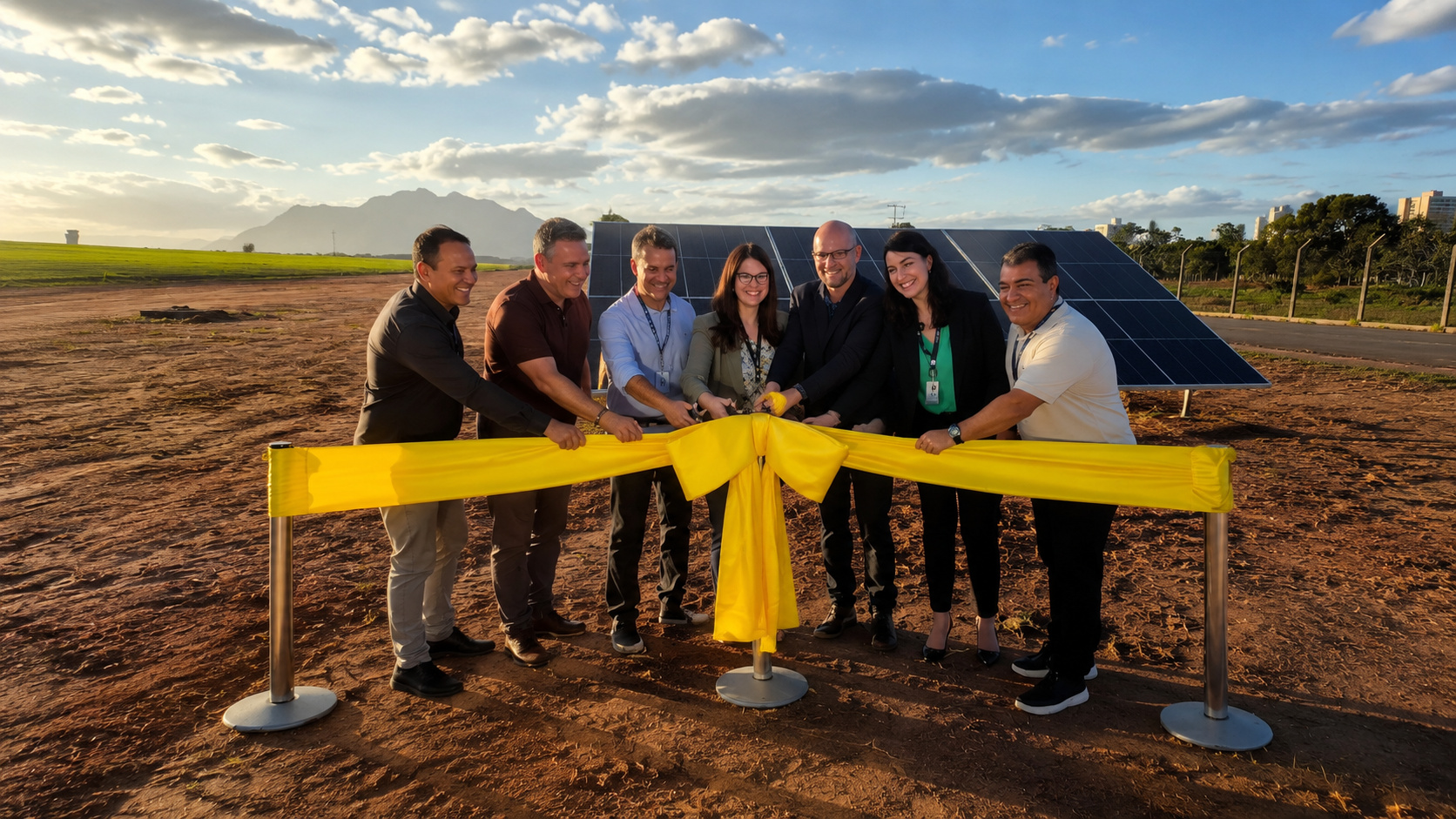
Brazil’s Vitória Airport to Launch Solar Plant Covering Area of 10 Soccer Fields, Boosting Clean Energy and Cutting Costs

-
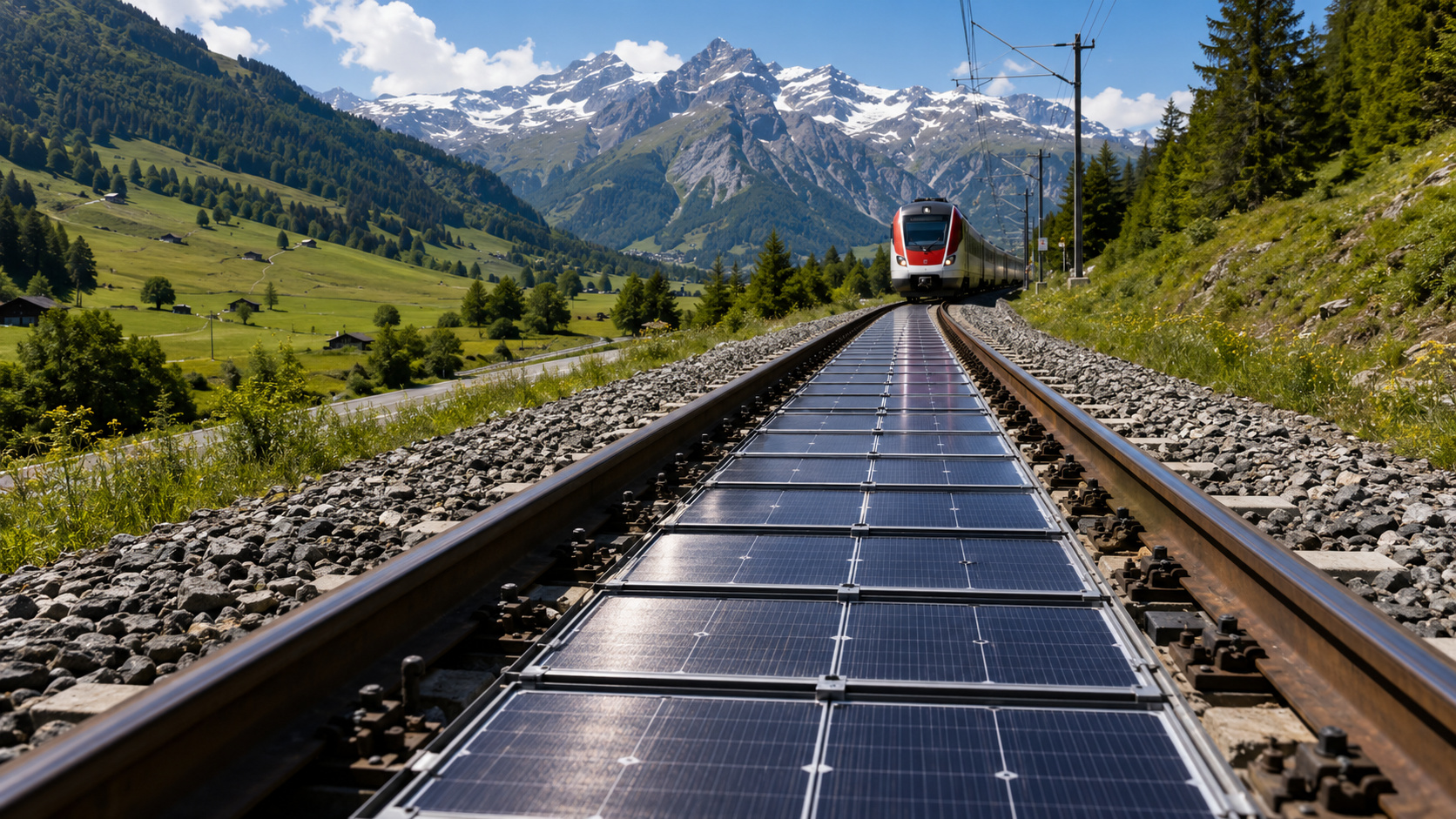
Switzerland Converts Train Tracks into Solar Power Plants with Removable Panels to Generate Energy Without Using Additional Land
-
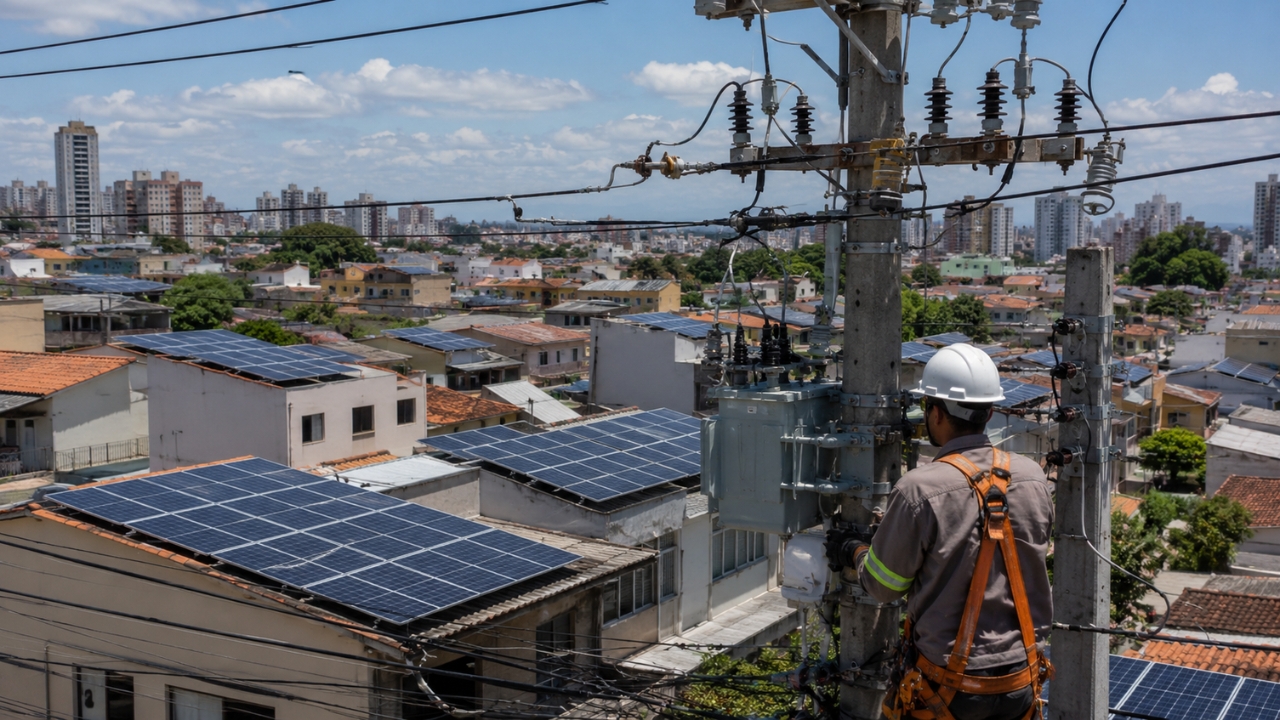
Surge in Solar-Powered Homes in Brazil Leads to Grid Strain and Connection Restrictions in Three States

-
California Project Aims to Store Heat Underground in Former Oil Reservoir to Generate 100 kW of Electricity for Over 12 Hours

With that in mind, in this article we will clearly and objectively explain the main points of NBR 17193:2025, answer the most frequently asked questions, and help you understand how to adapt to the new requirements of the solar energy sector in Brazil.
Understand Who the New Solar Energy Rules Apply To
It’s very likely that you have seen images of photovoltaic systems catching fire. This is not common, but when it happens, it is usually due to poorly done installations, projects that were not correctly followed, or even designed incorrectly.
This is precisely to prevent this type of problem that the new standard NBR17193 of 2025 was created, bringing new requirements to increase safety and reduce the risks of fires and electric shocks in photovoltaic installations in buildings.

It is important to mention that these new solar energy rules do not apply to ground-mounted installations, which are those installed on isolated land, as the name suggests. It applies exclusively to photovoltaic systems installed in buildings, their enclosures, and associated risk areas.
The new NBR 17193 standard applies to any type of construction, whether residential, commercial, industrial, or public or private.
So for any installation where the modules are on a structure of the building, such as a roof, or integrated into the building, such as those panels that replace the glass on facades, the new standard NBR 17193 is in effect.
Main Requirements of the New Rules in the Solar Energy Market
Among all the requirements, two attracted more attention and generated many questions, namely the protection against electric arcs, which is the AFCI, and especially the rapid shutdown function, which is the FDR. The AFCI is a safety device capable of detecting and interrupting electric arcs before they cause a fire.
The IMET, for example, published ordinance 515 of 2023 that made this protection mandatory for inverters and microinverters that operate with voltages above 120 V and currents above 20 A.
This requirement came into effect for equipment manufactured or imported from December 2024, so the market has been preparing for this change. In the new NBR 17193 standard, this requirement remains exactly the same and can be integrated into the equipment itself or added as an external device in the installation.
The rapid shutdown function was designed to increase the safety of firefighters and maintenance teams, reducing the risk of electric shock during a fire or a system intervention. This is because this function will reduce the system voltage to a safe level when activated in up to 30 seconds.
The standard requires that this shutdown occurs with just one maneuver, either manually or automatically, thus ensuring that the installation can be de-energized quickly and efficiently when truly necessary.
New Rules in the Solar Energy Sector May Make Systems More Expensive
Some adjustments may indeed have an additional cost, which is obvious, considering it is an extra component that you are installing, especially for systems that require extra devices.
This is one of the advantages of AP Systems microinverters, for example, as customers will not need to invest in this new device, because they have already been designed to operate below 120 V and 20 A to comply with this standard.
But overall, looking at the bright side, this standard brings more safety and reliability to the sector. And this can be a differential when presenting a project to your client, showing that they are investing in a safer system that complies with the new standards.
In addition to the rapid shutdown and protection against electric arcs, the standard also introduced other changes, such as the minimum spacing between modules and stricter rules for electrical connections.


