Portuguese
  Spanish


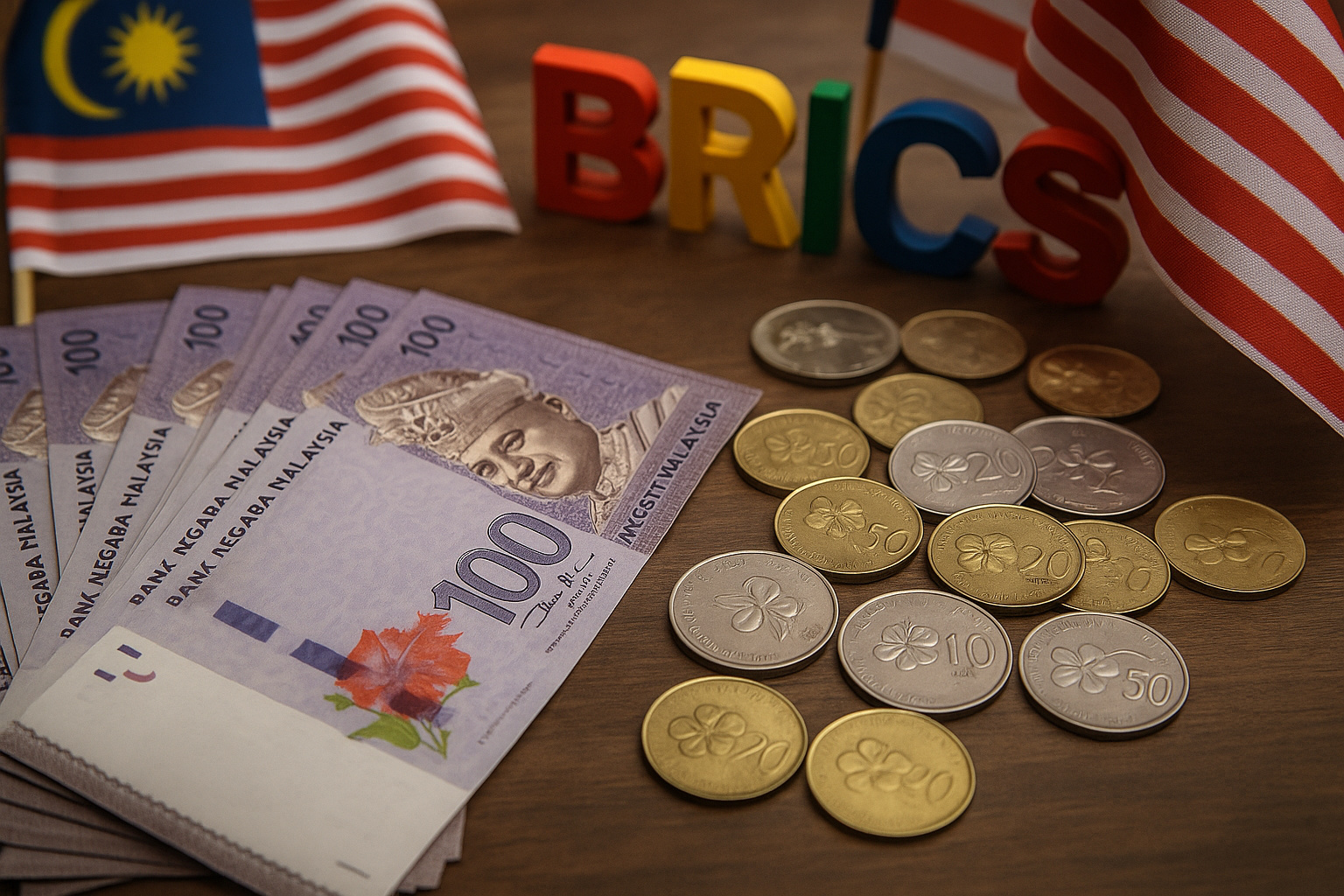

Accelerated Growth And Brazilian Support Drive A New Asian Protagonist Toward The Center Of Global Decisions
The Brazil has taken the lead in the expansion of BRICS, seeking greater integration with the fast-growing economies of Asia. During an official visit to Kuala Lumpur on October 25, 2025, President Luiz Inácio Lula da Silva declared full support for Malaysia’s full entry into the group.
The Malaysian Prime Minister, Anwar Ibrahim, publicly thanked the gesture. He stated that joining BRICS is part of his government’s long-term strategic goals. Currently, the country already acts as an active partner of the bloc, consolidating its position as a new emerging power.
This approach comes amid a strong economic growth cycle, which places Malaysia among the most dynamic nations in Asia in 2025.
-
At 14 years old, she worked in a factory in Hong Kong, studied economics abroad, and then entered the Chinese real estate market, which helped change the landscape of Beijing.

-
While NATO secured more than $10 billion in missiles and space surveillance at a single forum, Brazil still spends 1.1% of its GDP on defense and is stalling its own anti-aircraft system.

-
Corn ethanol attracts R$ 23 billion in 21 new plants and prepares for a nearly 50% jump in Brazilian production by 2027, even with high interest rates.
-
A newly opened terminal in the middle of the Amazon has begun transporting soy and corn through Amapá, eyeing the queue of ships that is congesting the ports in the South.


GDP Rises And Advances Confirm Historic Economic Turnaround
According to the Central Bank of Malaysia (Bank Negara), the Gross Domestic Product grew 5.2% in the third quarter of 2025, exceeding forecasts released earlier in the year.
According to the Ministry of Finance, the economy is expected to grow between 4% and 4.8% in 2025, supported by innovation policies, industrial digitization, and constant regional integration.
The services sector leads the advance and accounts for 54% of GDP. It is growing steadily, driven by international tourism, logistics expansion, and technological advancement.
In addition, the construction sector records a growth of 11% in 2025, a direct result of the installation of data centers and the increase in housing projects.
Meanwhile, manufacturing — responsible for 25% of GDP and 60% of exports — maintains a steady pace. The sector is notable in semiconductors, electronics, and automobiles, consolidating the country as a regional industrial benchmark.
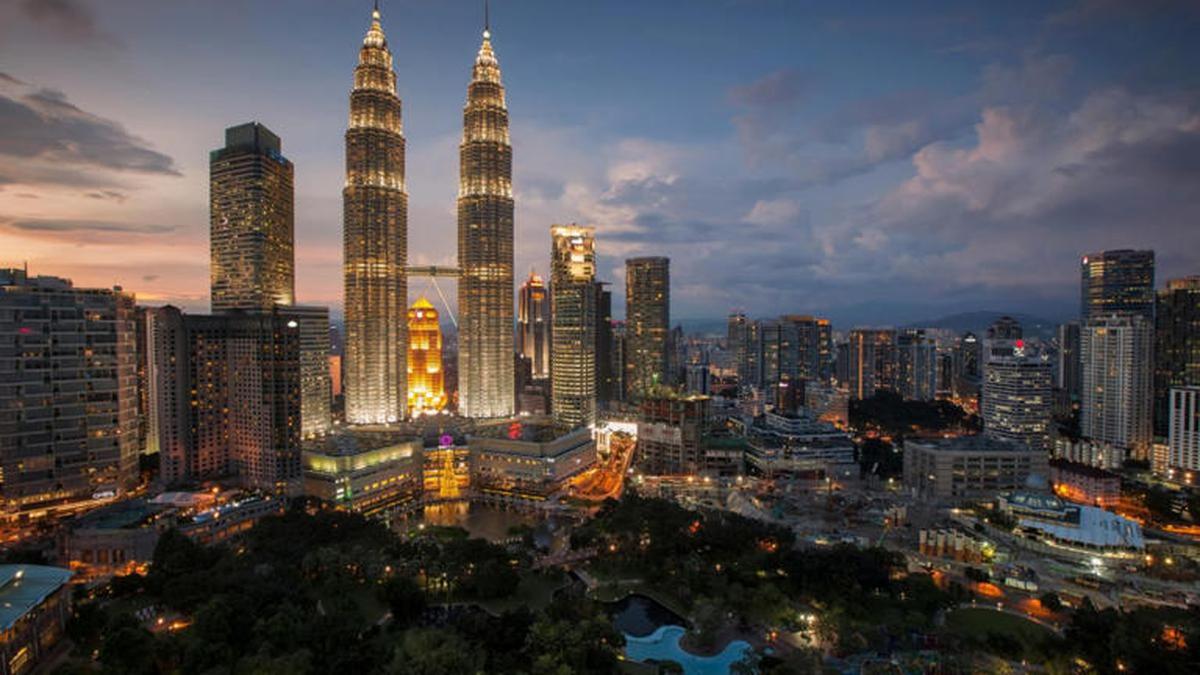
Technological Transformation Strengthens Position in Global Trade
Exports of machinery and technological equipment already account for almost half of external sales. This reinforces Malaysia’s role in global value-added chains.
The federal budget for 2025 created tax incentives for multinationals to invest in local suppliers. Furthermore, it accelerated approvals for new businesses, favoring the business environment.
The government also promotes public-private partnerships focused on innovation, sustainability, and digital inclusion. According to the Economic Outlook 2026 report, released in October 2025, these measures will boost growth through 2026.
In this way, the country establishes itself as a technological hub of Southeast Asia, attracting international investments and reinforcing its transition to a green and digital economy.
ASEAN Presidency and New Agreements with Brazil Expand International Influence
In 2025, the nation is preparing to assume the ASEAN presidency, expanding its diplomatic leadership in Southeast Asia. This strategic position strengthens the resilience of supply chains and encourages cooperation with the Global South.
During the meeting between Lula and Anwar Ibrahim, seven bilateral agreements were signed. The agreements cover semiconductors, energy transition, science, education, and food security, in addition to the resumption of Brazilian chicken exports.
According to Lula, BRICS is now the fifth-largest trading partner of Brazil. This alliance reinforces the Brazilian strategy for trade diversification and strengthens relations with the Asian continent.
Consequently, the Asian country is projected as a new regional leader, especially in the fields of green infrastructure, clean technology, and sustainable trade.
A New Protagonist on the Global Economic Stage
The country establishes itself as a benchmark in political stability, innovation, and fiscal efficiency. Its performance in 2025 demonstrates the ability to grow consistently and sustainably.
The Brazilian support for its entry into BRICS represents a decisive step to expand the presence of the bloc in the Asia-Pacific region. Furthermore, it reinforces the country’s role as a bridge between emerging markets and global economic centers.
Thus, the world watches the emergence of a new Asian power that combines growth, technology, and strategic diplomacy.
Will this be the country that will reshape the global economic balance in the coming years?