





 Portuguese
  English
  Spanish
  3 min of reading
  0 comments


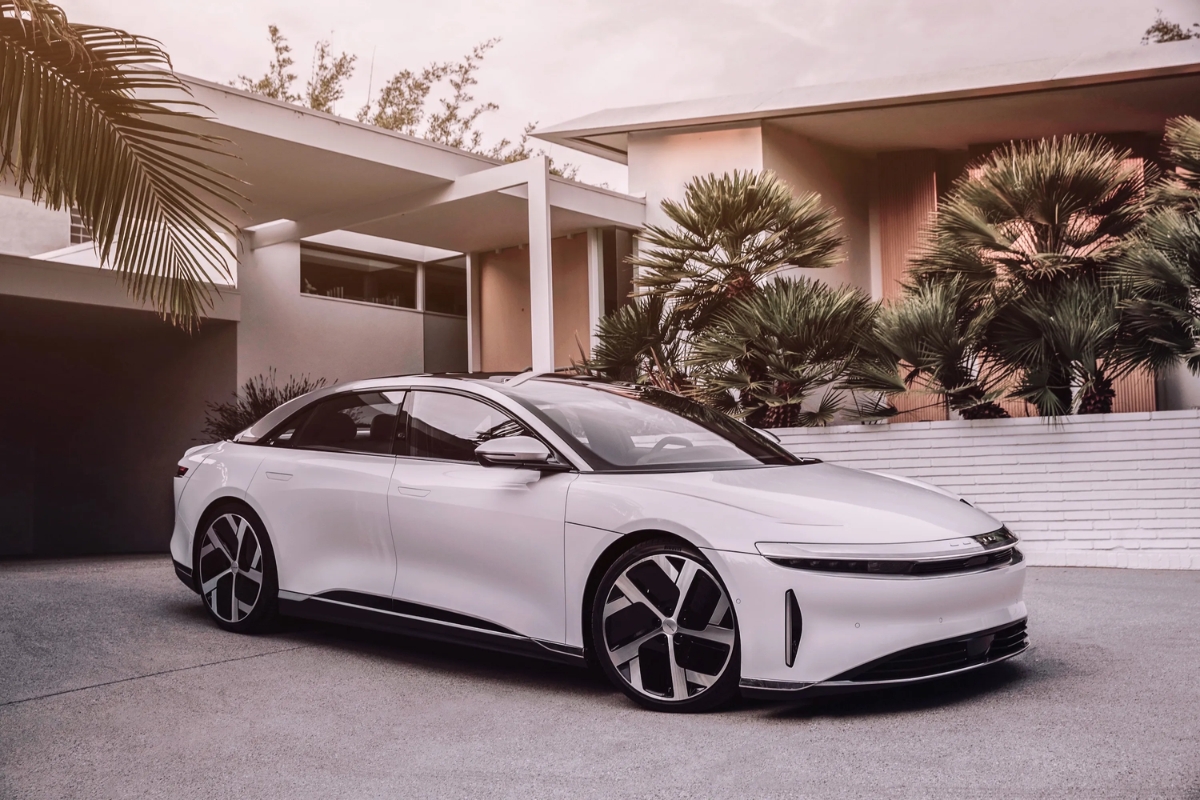
A Forgotten Invention From Decades Ago Returns and Promises to Change Design, Interior Space, and Efficiency of Electric Cars, Reopening an Old Debate in the Industry
Have you ever imagined a car without a hood, without a front trunk, and without that enormous space reserved only for the engine?
It sounds futuristic, but this idea is much older than it seems.
The technology of motors installed directly in the wheels, known as Wheel Motors (WMs), emerged in 1900 from the hands of Ferdinand Porsche.
-
For the first time in history, a submarine cable will descend to four thousand meters deep under the ice of the North Pole to ensure that the internet between Europe and Asia no longer depends on conflict zones in the Middle East.

-
A British company has installed in the middle of the ocean the world’s first floating platform that generates electricity 24 hours a day from the temperature difference between the surface and the depths of the Atlantic, without relying on wind or sun.
-
The James Webb telescope spotted a planet 700 light-years from Earth with mornings full of sand clouds and nights with clear skies, the temperature difference between the two hemispheres reaches an impressive 170 degrees.
-
A former Hong Kong police officer has just become the first astronaut from her city to go to space. She embarked on the Shenzhou-23 mission alongside two other colleagues who will face muscle atrophy, radiation, and prolonged fatigue in orbit.




The concept was shelved for decades but now reemerges as a strong solution for the new phase of electric mobility.
The Return of an Advanced Invention Ahead of Its Time
For practically the entire 20th century, the position of the engine defined the performance of cars, the interior space, and even the design of the vehicles.
This pattern dominated the industry for over a hundred years.
But that is changing.
By placing the motor inside each wheel, the transmission shafts, differentials, and various complex mechanical systems disappear.
This paves the way for simpler, lighter, and far more efficient cars.
In the past, this type of motor did not thrive. The technology was still limited, and the world did not have the electrical infrastructure to support this concept.
Today, the scenario is completely different.
The advancement of batteries, automotive electronics, and the global focus on sustainability puts wheel motors back at the center of discussion.
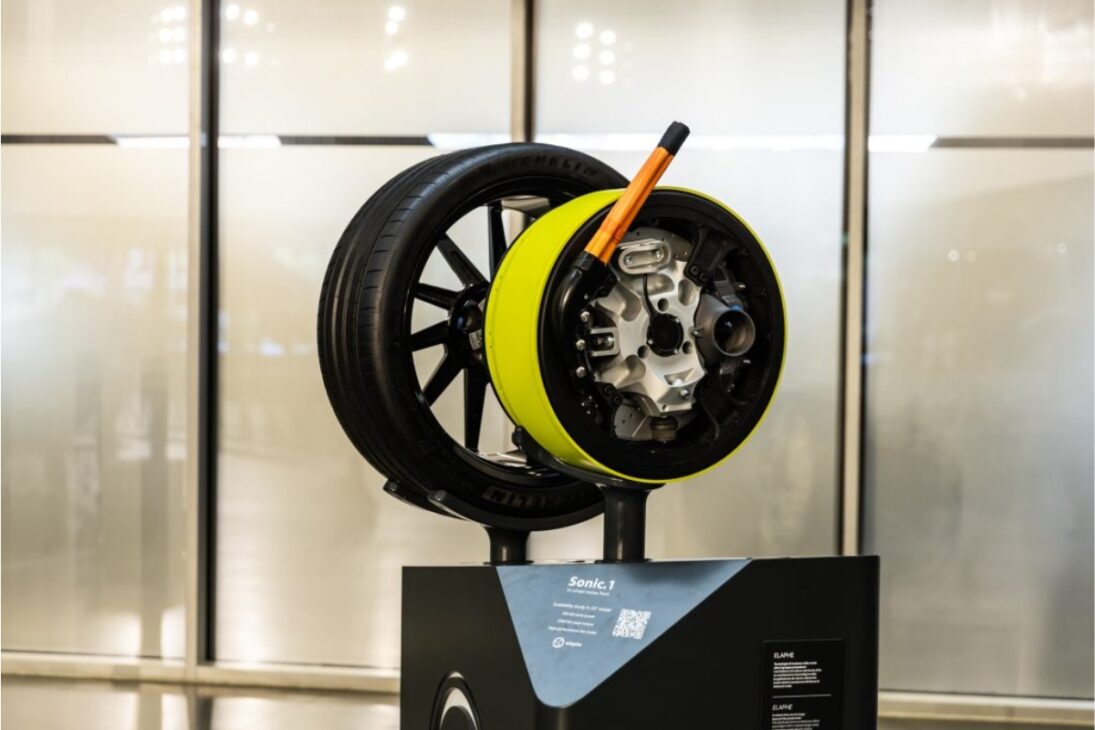
Companies like Elaphe Propulsion Technologies from Slovenia already have prototypes ready for use in production models.
More Interior Space, More Efficiency, and Better Performance
The advantages of this architecture are many.
When the motor no longer occupies the front and rear space of the car, there is more room for larger batteries, new internal layouts, and more comfort for those inside the vehicle.

Each wheel receives its own motor and begins to act independently.
This allows for much more precise torque control in curves, inclines, and uneven surfaces.
The result is superior stability and handling that surpasses traditional systems.
One of the most advanced models is the Sonic 1, developed by Elaphe.
Compact, lightweight, and designed for wheels up to 21 inches, it works with high-performance brakes and eliminates energy losses typical of axles and differentials.
In practice, it delivers instant torque and enhanced energy efficiency.
Another important point is the economical aspect.
With fewer mechanical components, production becomes cheaper, and maintenance costs decrease.
A New Path for the Global Automotive Industry
Wheel motors not only change performance.

They can completely alter the way cars are designed.
Modular platforms become simpler and easier to adapt.
This opens up space for compact versions, family sedans, and even large electric SUVs, all using the same base.
This standardization could accelerate mass production and strengthen automakers that adopt the technology first.
The resurgence of wheel motors shows how visionary ideas can return with force when the technological context changes.
What once seemed a bold experiment in the early 20th century can now turn the key to a new generation of more efficient, cleaner electric vehicles with a completely different design from what we know today.









-

-

2 people reacted to this.