






 Portuguese
  Spanish
  3 min of reading


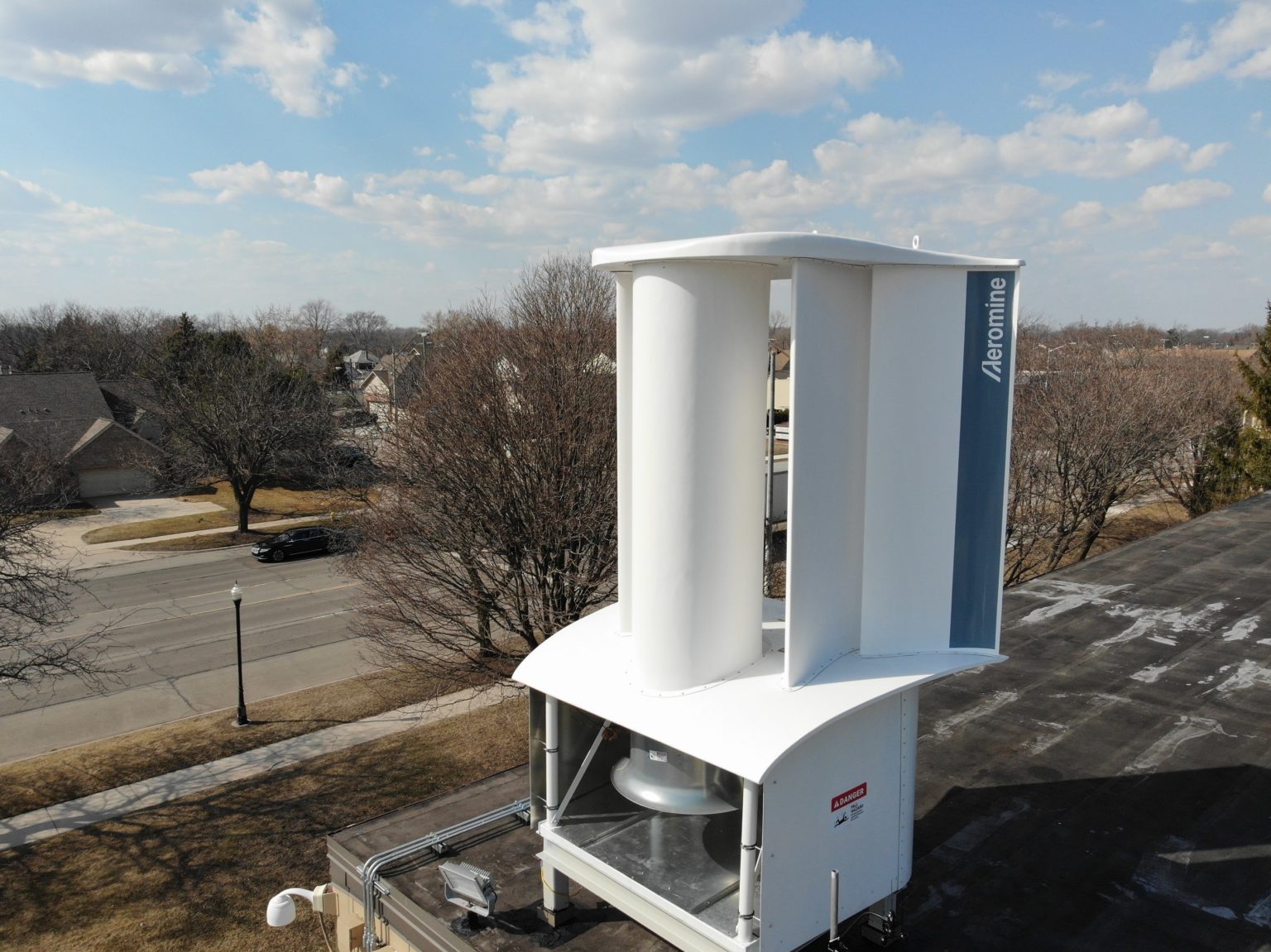
Wind Energy: Turbine Without Blades (or Aerodynamic Blades) Is Indicated in Urban Environments, Does Not Threaten Bird Migration Patterns or Wildlife.
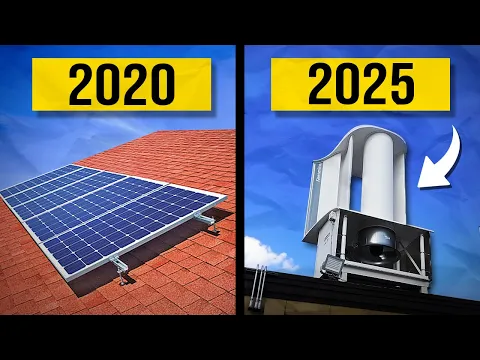
A new bladeless wind turbine, patented by Aeromine Technologies, is facing the challenge of competing with rooftop solar as a local source of clean energy that can be integrated into urban environments. The new wind generator can produce 50% more energy than that from a solar panel at the same cost, the company said.
The technology harnesses aerodynamics similar to that of the wings on a race car to capture and amplify the airflow from each building. The unit requires about 10% of the space needed by solar panels and generates energy 24 hours a day.
Watch the Video Below and See How to Have Wind Energy at Home with the Same Operation as Large Turbines!

Aeromine said that, unlike conventional wind turbines (with blades), which are noisy, visually intrusive, and hazardous to migratory birds, the patented system is stationary and virtually silent.
-
Brazilian scientists are simultaneously advancing two research projects on clean hydrogen and driving solutions that could transform the energy matrix, enhance industrial competitiveness, and accelerate large-scale emission reduction targets.

-
Advancement in renewable energy: A R$ 150 million project launched by Petrobras and Finep aims to create state-of-the-art electrolyzers for green hydrogen, strengthening national research and preparing Brazil to compete in a billion-dollar energy market.
-
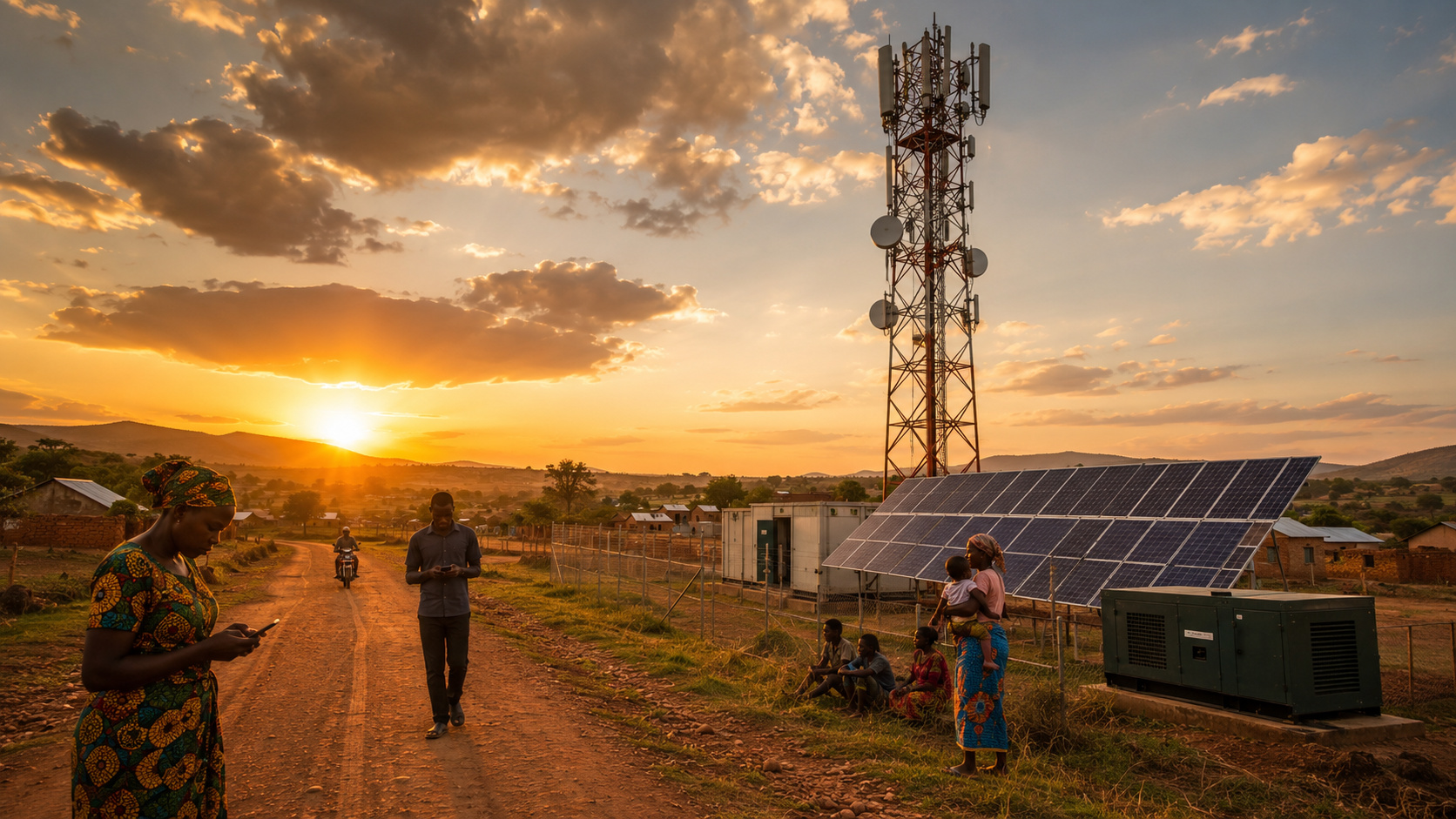
Illiterate or semi-literate grandmothers were trained to repair solar systems, open rural workshops, and light up homes that still depended on kerosene.
-
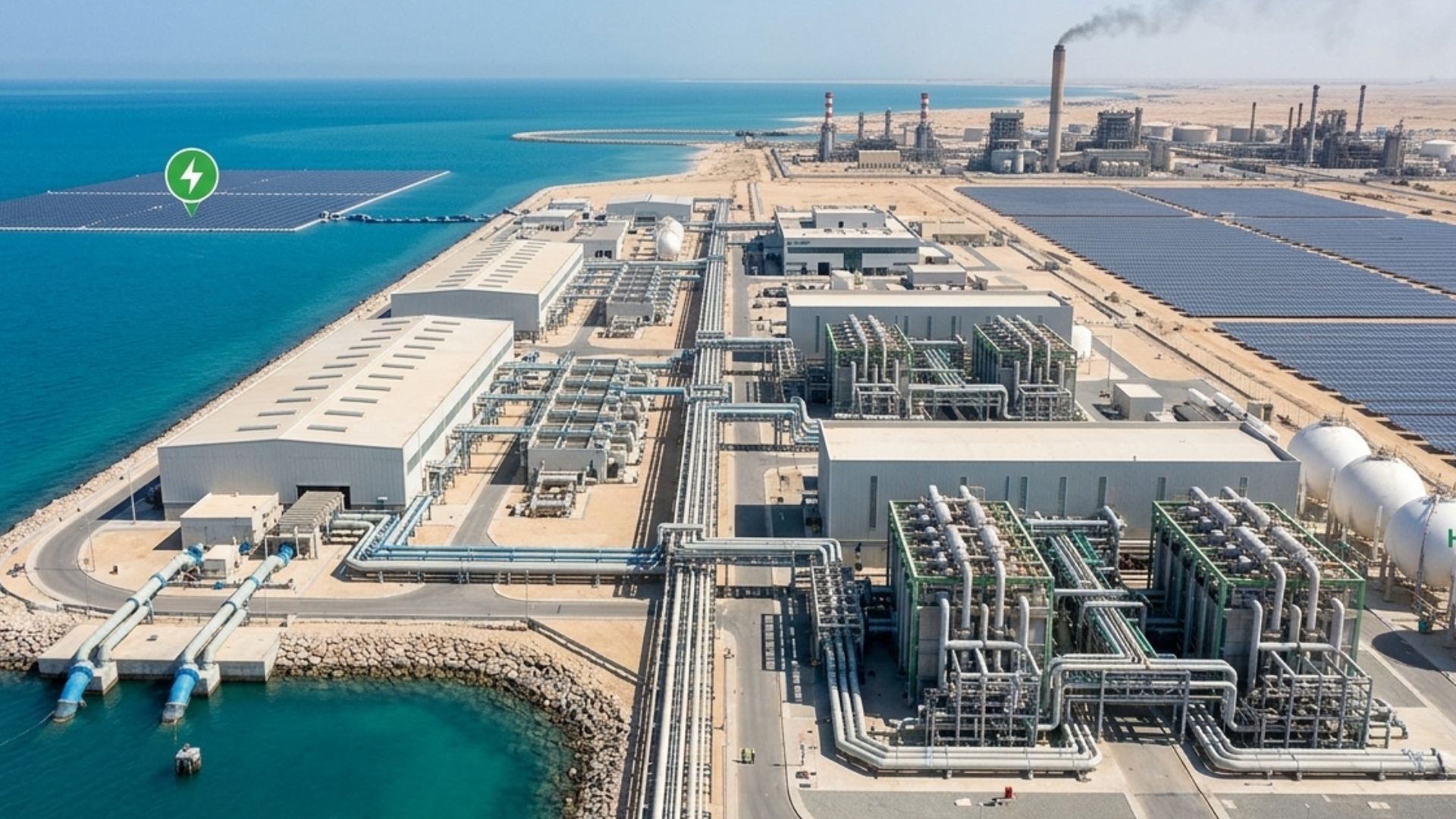
The world has bet on green hydrogen as the fuel of the future, but now faces the side effect: producing 1 kilogram requires about 9 liters of ultrapure water, and the largest projects on the planet are precisely in the driest regions of the Earth, where water is already scarce for people.




“It is very quiet, very safe, and very cheap to build; you don’t need any sophisticated materials like carbon fiber, there’s nothing special about the fan itself, and the whole thing breaks down for transportation and a relatively simple on-site construction process,” said the company.
The Bladeless Wind Turbine Is Cheaper, More Durable, Safer, and Less Intrusive
Aeromine has not yet named a standard capacity for its devices. But in a solution presented to the AFWERX Reimagining Energy challenge in January 2021, these units were rated for 5 kW – very close to the output of a 21-panel residential solar system.
Multiple units can, of course, be installed along the edge of a building, spaced about 4.6 m apart, and each unit promises to generate about 14.3 MWh per year. Just for comparison, a residential solar system on a 6.5 kW rooftop produces about 9 MWh per year.
“Unlike common wind turbines, the structure doesn’t move and is more like a part of the building than a wind turbine. For all practical purposes, there is no limitation on lifespan. The mechanical moving parts are inside a duct protected from wind and weather, and are lightly loaded compared to other rooftop equipment, such as ventilation fans, so they last much longer,” said the company.
It is worth noting that bladeless aerodynamic wind turbines are cheaper, more durable, safer, and less intrusive than blade wind farm designs, offering a highly accessible way to introduce reliable wind energy into a distributed energy system.
Moreover, the combination of Aeromine with rooftop solar can locally generate up to 100% of a building’s energy needs while minimizing the need for energy storage.




Be the first to react!