Portuguese
  Spanish


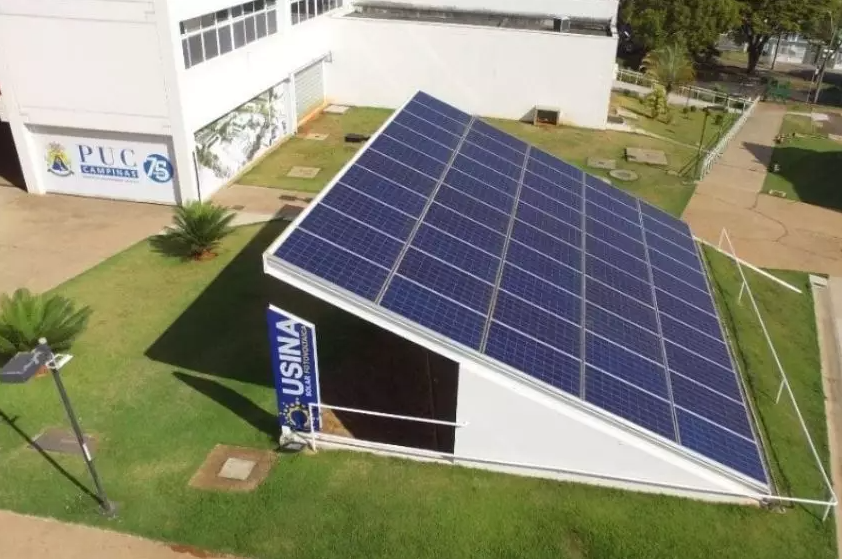

Located in Campinas, São Paulo, the new solar power plant is part of CPFL’s energy efficiency project
CPFL Energy, in partnership with PUC Campinas, in the state of São Paulo, installed a new solar power plant at the university. The plant is part of an integrated energy efficiency project developed between the university in cooperation with CPFL.
Also Read Other News of the Day:
- Faetec Rio Opens Registration Offering Completely Free Scholarships to Study at the World’s Largest Culinary School, Le Cordon Bleu
- The American Online Services Giant Google Opens 2000 Positions in Free Technology Courses
- 50 Job Openings to Work at Ambev, the World’s Largest Beverage Company
- Raízen, the Giant Ethanol Producer in Brazil, Starts Recruitment for Job Openings in SP and MS
- Locar in RJ Demands Candidates with Elementary and High School Experience in the Naval Industry
The new power plant has a capacity of 69.12 Kwp and is located on Campus I of the university. 187 Axitec panels of 380 W, an Ingeteam 55 KW inverter, and a mounting structure for the photovoltaic modules for a metal roof by PhotoEnergy were installed.
Marcos Carneiro da Silva, professor and advisor to the Pro-Rectorate of Administration, said that “PUC-Campinas has already implemented other projects under the Energy Efficiency Programs (PEE) with CPFL. One of them was the replacement of classroom and academic building lamps with LED. Afterwards, we improved the external lighting of the two campuses.”
-
Fired during apartheid and with a little borrowed money, an electrician started with a borrowed truck and transformed electrical services into a group connected to energy, real estate, and infrastructure in South Africa.

-
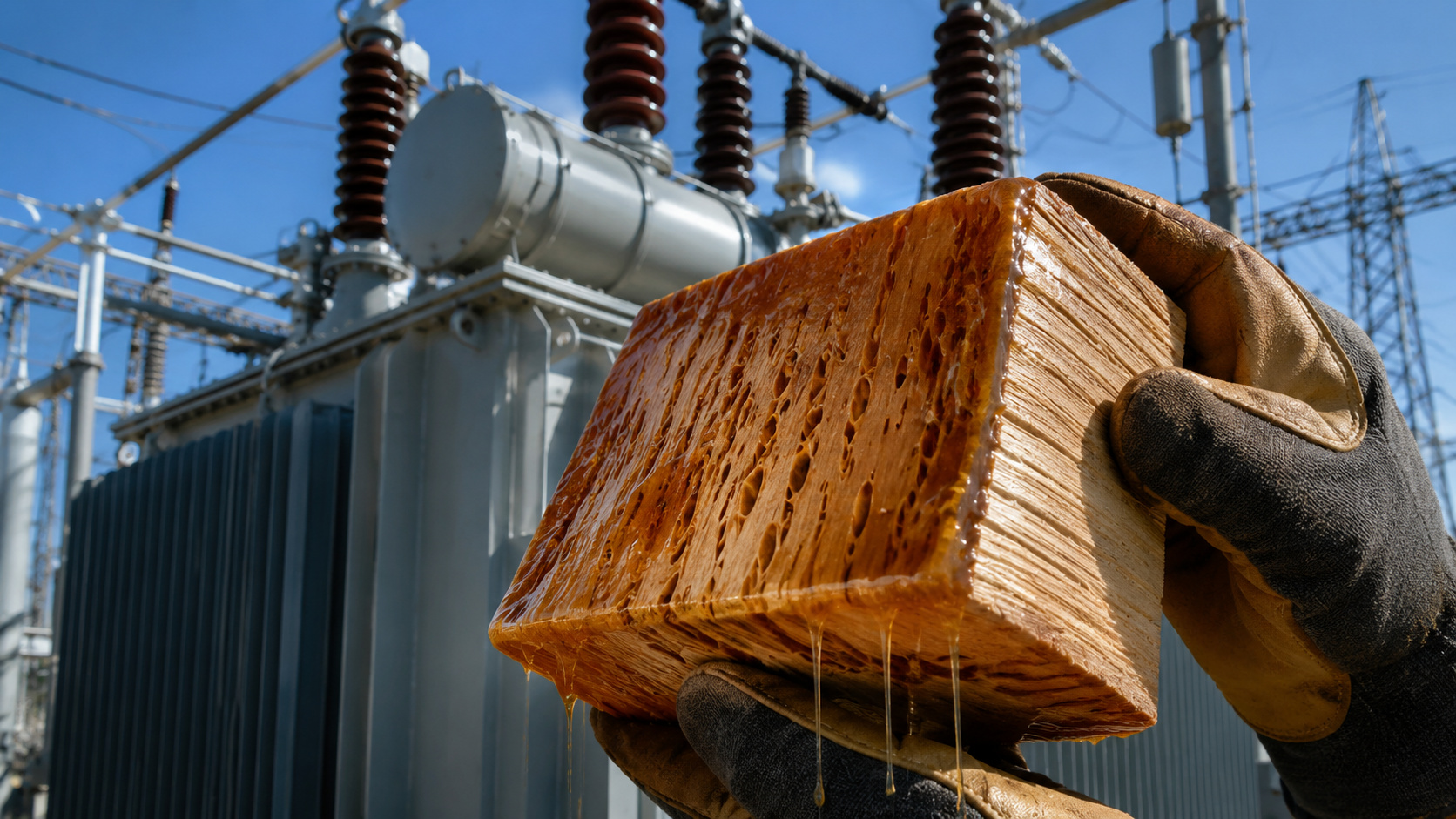
Wood has ceased to be just a construction material in Yale research and has become insulation for electrical transformers that face intense heat, aging, and increasing pressure from the renewable energy-powered grid.
-
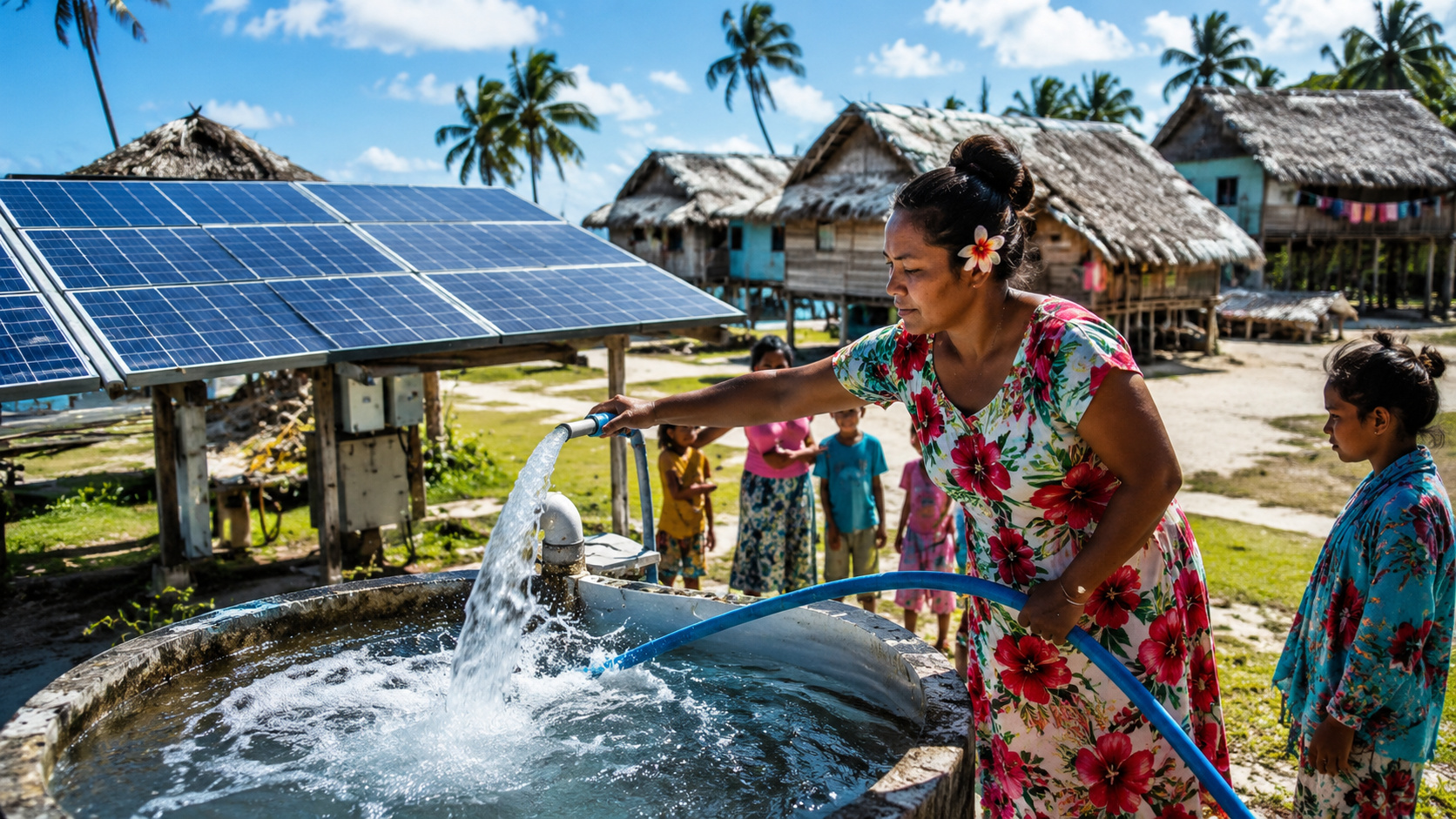
More than 1,000 residents of a remote island in Kiribati now have clean water and electricity with solar systems operated by the community itself.
-
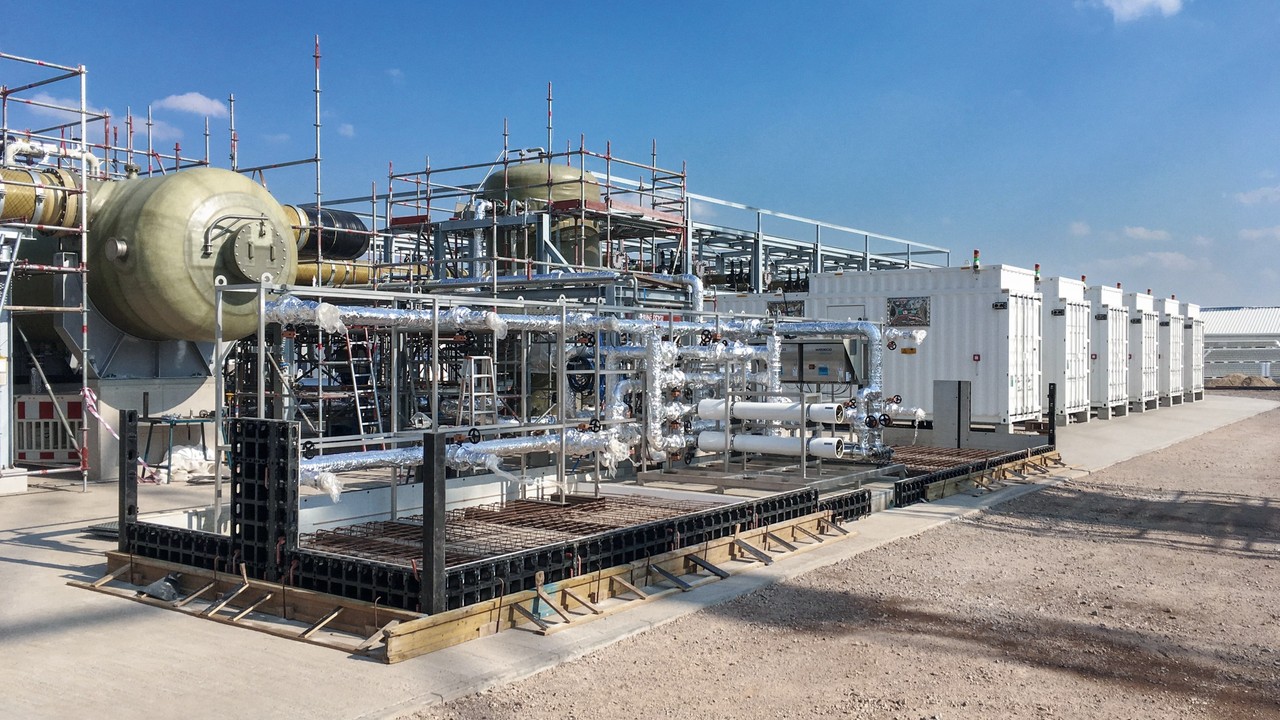
Ceará brings together 7 giants and R$ 66 billion to transform Pecém into the largest green hydrogen hub in Brazil, with final decisions expected by the end of 2026.


The energy efficiency manager at CPFL, Felipe Henrique Zaia, stated that “By carrying out projects that impact the communities in our area of operation, we raise awareness among clients and public institutions about the importance of efficient and safe electricity consumption.”
The goal of the project by CPFL and PUC is to reduce costs, which will bring improvements for employees, students, and residents who frequent the university hospitals. A reduction of 931 MWh annually is estimated.
Marcos concluded by saying that “These two actions promote significant monthly savings in energy consumption and maintenance costs for the University.”
“Everyone benefits when there is a collective effort towards energy efficiency, whether through environmental benefits or the savings generated,” Felipe Henrique concluded.