






 Portuguese
  Spanish


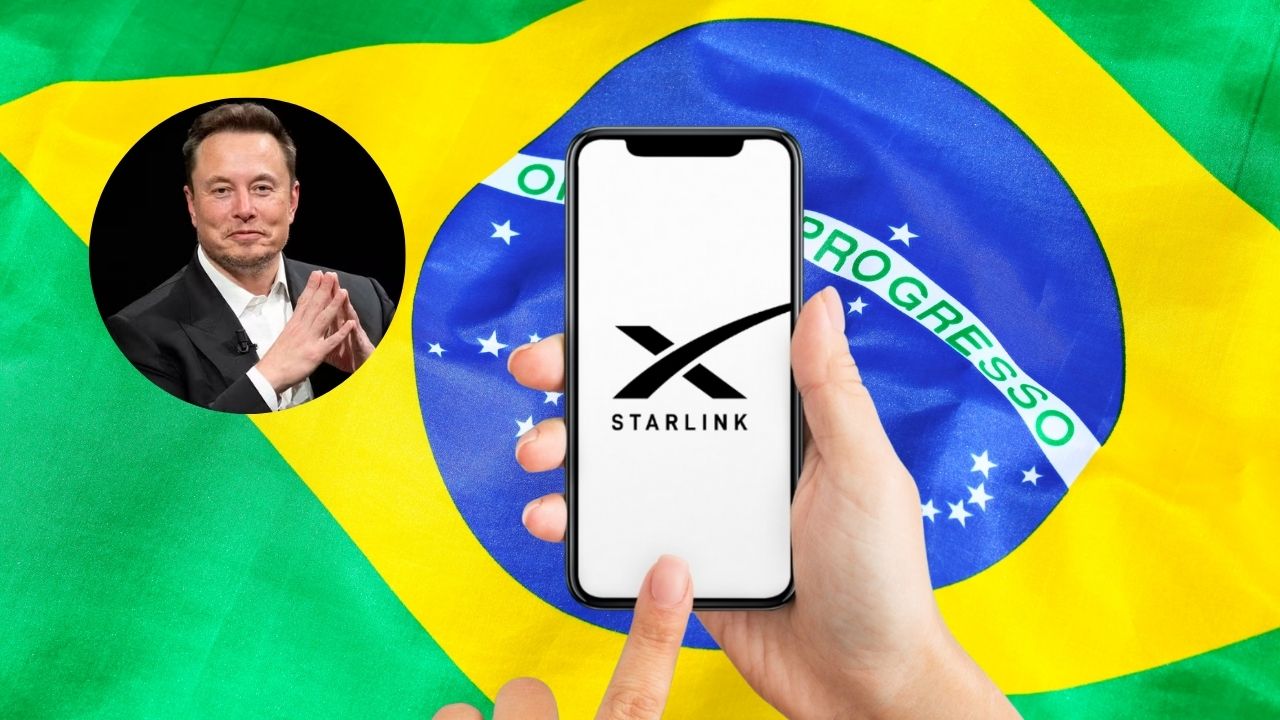


Starlink, Elon Musk’s Satellite Internet Service, Could Offer Direct Connection to Cell Phones in Brazil After New Anatel Rules Expand Access in Remote Areas.
Wednesday, October 1 — Starlink, SpaceX’s satellite internet service, may soon provide direct connection to cell phones in Brazil.
Starting October 28, new rules from the National Telecommunications Agency (Anatel) will come into effect, simplifying the offering of satellite internet and telephony services, allowing operators to combine both in a single plan.
This regulatory update is considered a milestone for expanding internet access in remote areas or those with limited mobile tower coverage, providing an efficient alternative for users who previously relied on poor or nonexistent connections.
-
2,000-Year-Old Gold Rings Found with Human Bones in Thailand Reveal Rare Burial and Feature Ancient Indian Inscription

-
Lenovo Unveils Legion Y700 Tablet with RGB Backlighting, 5G, and SIM Card Support

-
World’s First Nuclear Hydrogen Unit Begins Operation: Copper-Chlorine Technology with Initial Capacity of 150 Liters per Hour, Aiming for 3,000 Liters per Hour
-
Mechanics Retrofit Old Fiat Uno with BYD Electric Motor for Silent, Low-Voltage Operation Reaching Nearly 60 km/h in Home Test



Integration of Internet and Telephony via Starlink Satellites
Before the change, operators needed separate licenses: the SGS for satellite telephony and the SMP for mobile telephony.
With the new rules, the SGS license has been incorporated into the SMP, simplifying regulation and allowing providers like Starlink to offer complete internet and communication packages on cell phones.
The measure is also expected to reduce bureaucracy and accelerate the expansion of satellite mobile services in the country, making digital inclusion possible in historically underserved regions.
Second-Generation Satellites Enable Smartphones
To enable mobile service, Starlink equipped its second-generation satellites with small mobile telephony antennas.
In April, Anatel authorized the operation of 7,500 of these units in Brazil, initially allowing only the sending of texts and geographical coordinates in areas without conventional tower coverage.
The company’s plan is to progressively increase functionality, enabling high-speed internet access directly on smartphones, even in isolated regions, without the need for fixed antennas or additional equipment.
Benefits for Consumers
With the arrival of Starlink to cell phones, users in rural or remote areas will have more reliable access to the internet, allowing them to use apps, make video calls, and send messages stably.
The integration with satellite telephony plans also promises to simplify service use, offering complete packages in a single contract.
Experts emphasize that this technology represents a significant advancement for connectivity in Brazil, providing alternatives where traditional operators cannot reach.
Despite the positive outlook, expansion still requires testing, software updates, and regulatory adjustments.
The forecast is that, in the future, any compatible smartphone will be able to receive Starlink signal anywhere in Brazil, ensuring coverage in urban and rural areas.
With information from Olhar Digital.


