Portuguese
  Spanish


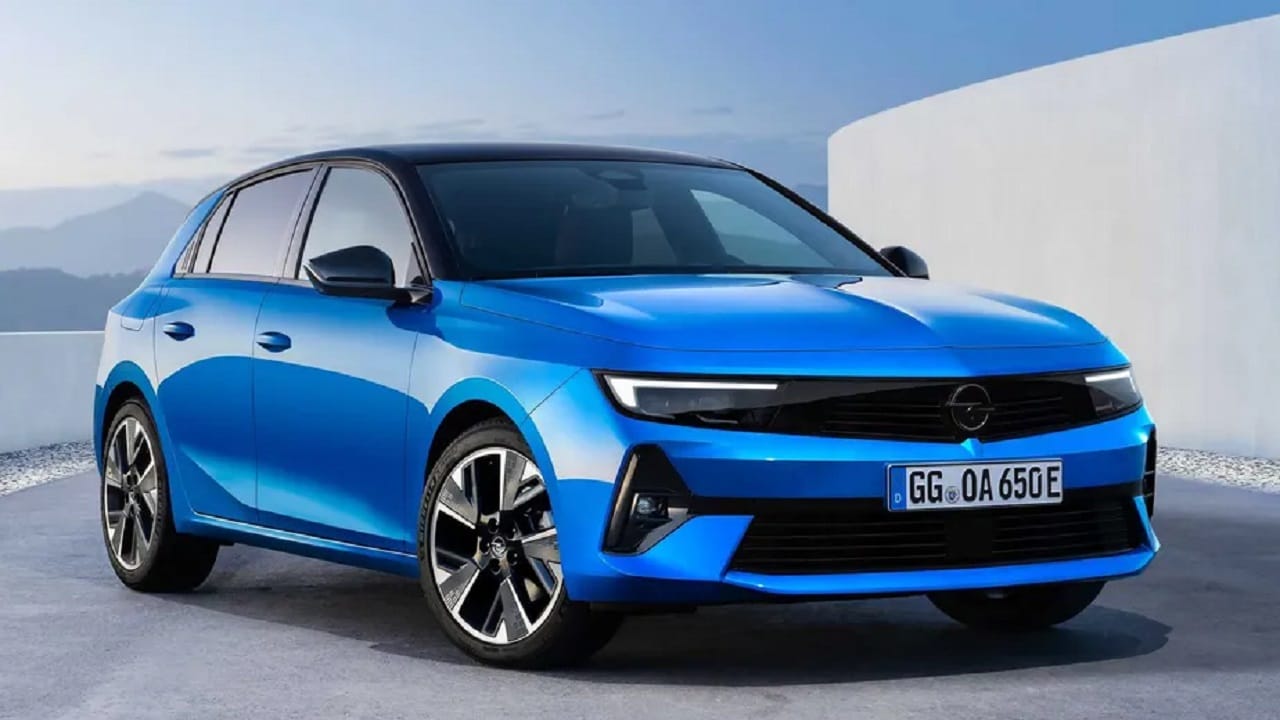

The Opel Astra, A Very Popular Car In Brazil, Is Back, But This Time With A Different Touch. It Is A New Electric Astra That Can Deliver More Than 400 Km Of Range.
The Opel Astra, a new popular car that was highly sold in Brazil, is being resurrected after more than 10 years of extinction, to compete in this new market of electric cars and become a nightmare for rivals. According to media reports, the new Opel Astra Electric has been officially revealed, entering the European market after being discontinued in Brazil in 2011, as one of the most beloved models from the brand.
Meet The New Opel Astra Electric
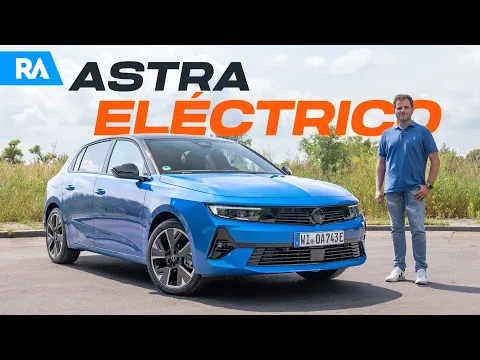

After the plug-in hybrid version, it was time for the brand to present the first fully electric version of the popular car that marked the company’s history. This new generation, called Astra L, began to be showcased in early 2022.
For the first time, there is also a plug-in hybrid and an electric version of a model that debuted in the 90s in Europe. In Brazil, the Astra also wrote its history, being sold as a Chevrolet model between 1994 and 2011. Now, the moment has finally come for the brand to reveal the first photos of the awaited fully electric version, in hatchback and wagon variants.
-
End of an era in Brazil: beloved sedan by Brazilians is discontinued despite having a 2.0 engine with 151 hp, CVT transmission, 466-liter trunk, and up to 650 km of range.

-
New Law Proposal in Brazil Could Heavily Penalize Drivers: Dangerous Overtaking May Become a Serious Offense with Fines Increased Tenfold and a 12-Month License Suspension; Update on 2026 Progress

-
Electric Revolution: Watts W125 Motorcycle Offers 160 km Range, 90 km/h Speed, and Affordable Price Starting at $3,000
-
General Motors Replaces Over a Thousand Workers with 50 Cobots at Electric Vehicle Plant, UAW Union Criticizes Move Amid Industry’s Automation Push




The new OPEL Astra Electric features the same look as the combustion engine and plug-in hybrid versions. What is new, however, is the nomenclature, as the brand is moving away from the previous naming scheme, for example, Corsa-e and Mokka-e, and naming the new model Opel Astra Electric.
Based on the EMP2 platform, which also supports the hybrid versions of medium cars from Stellantis, the electric Astra has the same dimensions as the combustion engine version: 4,374 mm in length, 2,060 mm in width, 1,441 mm in height, and 2,675 mm in wheelbase.
New Popular Car Returns Fully Electric And Delivers Up To 156 Horsepower
The propulsion system of the new electric Astra consists of an electric motor with 115 kW (156 horsepower) and 26.5 kgfm of maximum torque powered by a 54 kWh capacity battery (51 kWh net). Based on the power and capacity figures provided, this is a new electric powertrain from Stellantis, which also equips the Peugeot e-308 and Jeep Avenger.
Its battery consists of 17 modules and a total of 102 cells, resulting in 6 cells per module. The Opel Astra Electric has three driving modes: Eco, Normal, and Sport. Opel has not disclosed the acceleration time from 0 to 100 km/h, similar to what happened with the e-308, while the top speed is 170 km/h. The popular car has a declared range of 416 km on a single charge.
Meet The History Of The Astra
Launched in 1991, the Astra is indisputably the most successful car in the history of the Opel brand. In Brazil, the model began to be sold in 1994, imported from Belgium and sold by Chevrolet, still in its first generation, the “F.” It even earned the nickname “Astra Belga.” The Astra G was produced in Brazil between 1998 and 2011. One generation later, the Astra F was sold here as the Vectra and coexisted with its predecessor.
The Astra F accumulated more than 4.1 million units sold, a record in the history of the model. This first Astra had a platform and powertrain derived from the Kadett, but despite its obvious kinship with its older sibling, it introduced new technologies in terms of passive safety.