Portuguese
  Spanish


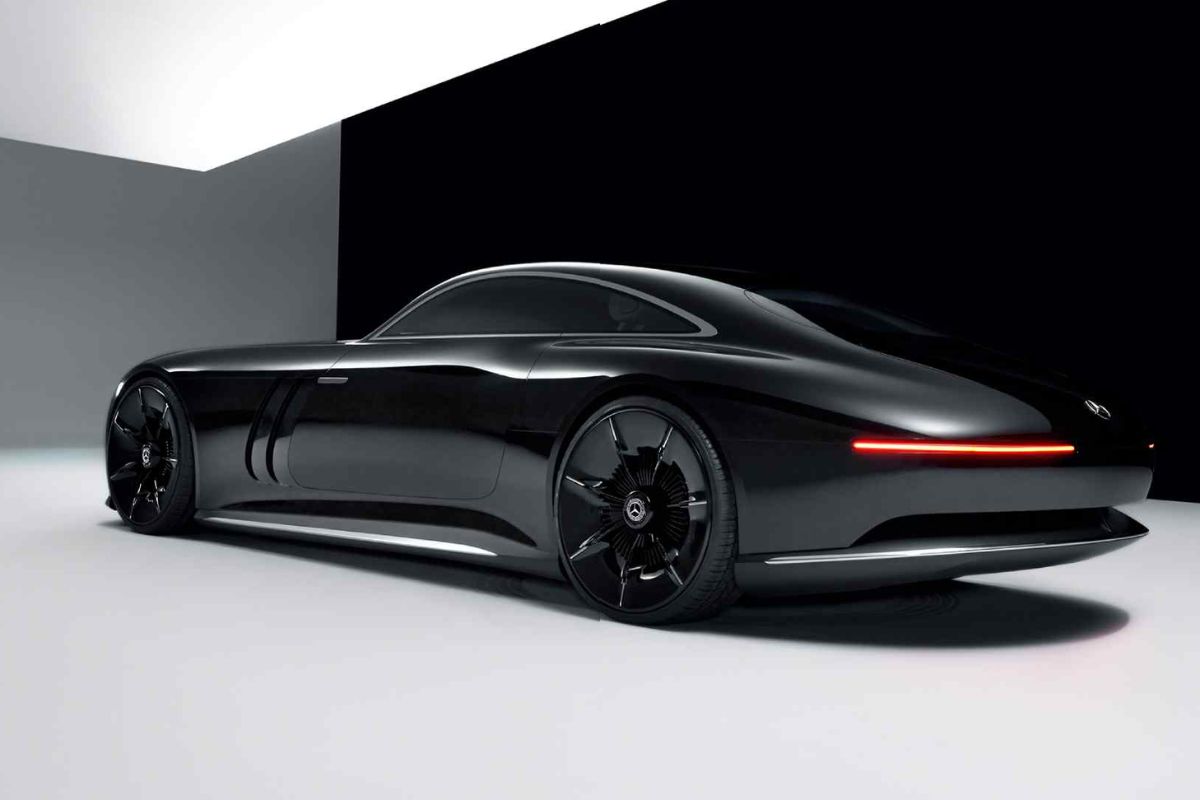


New Solar Car from Mercedes Vision Iconic Runs 12,000 Km Per Year Without Charging With Solar Energy Paint That Turns Into Electricity
The new solar car emerges as a technological showcase by combining high-performance design with photovoltaic harvesting applied to the bodywork. In the Vision Iconic prototype, the solar energy paint works in favor of autonomy, promising up to 12,000 km per year without plugging in, continuously accumulating electricity. This integration transforms the new solar car into a mobile laboratory for conversion efficiency and material lightweighting.
In Mercedes’ Vision Iconic project, the proposal goes beyond just increasing range. The application of solar energy paint as a functional coating paves the way to reduce dependence on external charging. By storing electricity even when the vehicle is off, the new solar car explores an architecture that prioritizes operational simplicity and a lower impact on infrastructure, with the reference of 12,000 km per year as a realistic usage goal.
What Is Solar Energy Paint
The solar energy paint covers the body of the Vision Iconic like a technological skin.
-
Chevrolet’s Parent Company to Invest Billions in Brazil to Modernize Factories, Update Cars, and Accelerate Hybrid Launch by 2028

-
Practical Driving Tests in Brazil Surge by 23.5%, Exceeding 2.2 Million by 2026, as New Rules Make the Process Cheaper and Simpler
-
Brazil’s Lula Government Allocates $463 Million Quota for Electric Car Parts, Waives Import Tax Until December, Sparking Competition Among BYD, Automakers, and Unions as Consumers Question Impact on Prices and Local Industry

-
Thinking of Installing LED Headlights? Why Replacing Halogen Bulbs is Still Banned, the Glare Risks Authorities Worry About, and How a New Proposal Could Allow Certified, Safe Installations


Unlike traditional panels, the ultra-thin and lightweight modules are integrated into the exterior finish, converting light into electricity with less weight penalty.
In the new solar car, the active area of the solar energy paint takes advantage of broad surfaces to enhance harvesting.
The result is a constant supply of electricity, sustaining vehicle functions and contributing to the expected autonomy of 12,000 km per year.
How the Vision Iconic Uses Electricity
The Vision Iconic prioritizes intelligent management of electricity to reduce systemic losses.
The harvesting from the solar energy paint flows into the battery, stabilizing consumption during urban trips and prolonged stops.
This design allows the new solar car to keep essential resources active.
In favorable radiation scenarios, the Vision Iconic accumulates electricity outdoors, approaching the target of 12,000 km per year without charging, a direct effect of the solar energy paint applied by Mercedes.
Environmental and Design Benefits
The lightweight coating and integration into the finish of the new solar car reduce conventional materials and simplify recycling.
Less structural mass means greater efficiency in the use of the produced electricity.
By leveraging solar energy paint, the Vision Iconic enhances surfaces with functional geometry.
The incremental gain in harvesting helps to pursue the 12,000 km per year target, while the new solar car decreases the need for plugs and charging points.
In urban routine, the new solar car can take advantage of long periods parked to generate electricity.
The solar energy paint does not depend on the car being in motion, benefiting the Vision Iconic in various climates.
With the goal of 12,000 km per year, Mercedes positions the Vision Iconic as a showcase of viability.
The more usable area and better power management, the greater the practical range, reinforcing the role of solar energy paint in the architecture of the new solar car.
What would be your primary use for the new Mercedes Vision Iconic solar car with solar energy paint, aiming for 12,000 km per year and continuous generation of electricity?