






 Portuguese
  Spanish


Global Study of the Mission Possible Partnership (MPP), Released in June 2025, Reveals That Emerging Countries Stand Out in Investments and Projects in the Clean Global Industry
The global race for the clean industry has shown significant changes in recent years. In June 2025, the Mission Possible Partnership (MPP) published the report “Clean Industry: Transformation Trends,” which outlines a current and highly detailed overview of the advancement of global investments in clean technologies.
China remains in the lead, with 25% of the US$ 250 billion already invested in clean industrial plants. However, emerging countries in the new ‘solar industrial belt’ — such as India, Egypt, and Brazil — are gaining momentum. According to the study, this group already holds 59% of a global pipeline of US$ 1.6 trillion in announced projects.
Global Investments and Growth Opportunities
Currently, committed investments in the sector total US$ 250 billion, although the global opportunity is five times larger. Nearly 700 projects are awaiting funding, representing a massive growth window.
-
Brazilian scientists are simultaneously advancing two research projects on clean hydrogen and driving solutions that could transform the energy matrix, enhance industrial competitiveness, and accelerate large-scale emission reduction targets.

-
Advancement in renewable energy: A R$ 150 million project launched by Petrobras and Finep aims to create state-of-the-art electrolyzers for green hydrogen, strengthening national research and preparing Brazil to compete in a billion-dollar energy market.
-
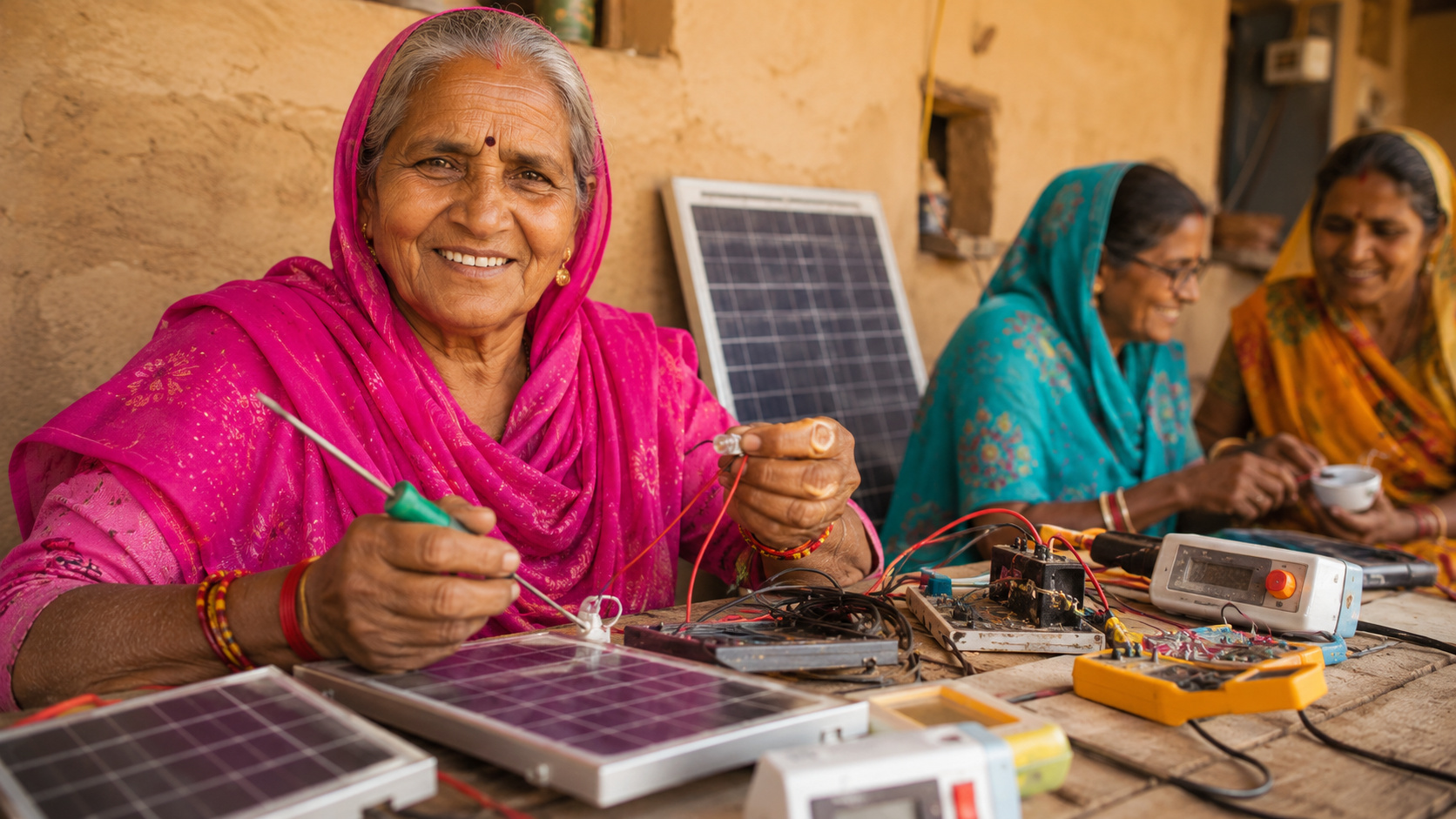
Illiterate or semi-literate grandmothers were trained to repair solar systems, open rural workshops, and light up homes that still depended on kerosene.
-
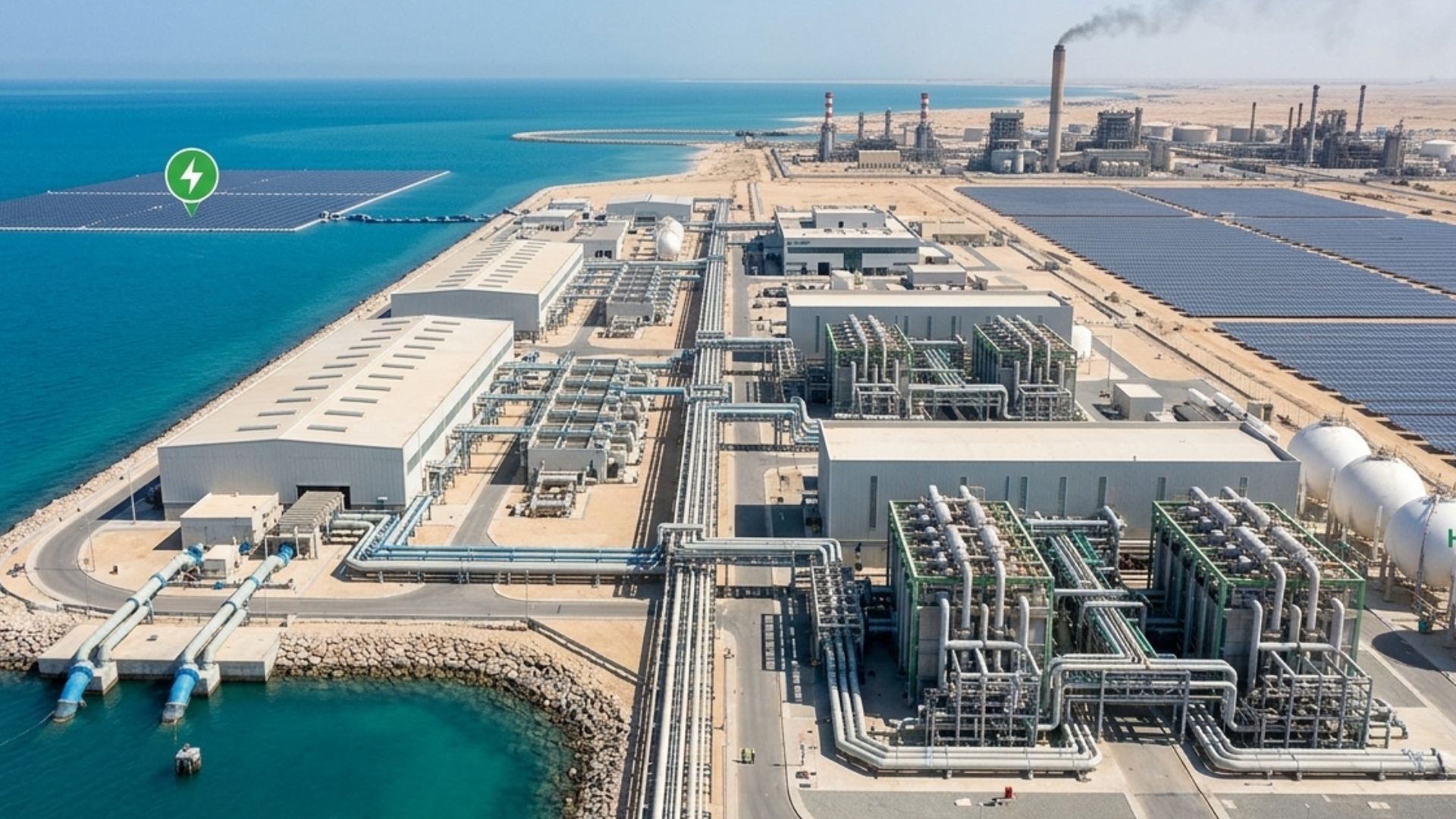
The world has bet on green hydrogen as the fuel of the future, but now faces the side effect: producing 1 kilogram requires about 9 liters of ultrapure water, and the largest projects on the planet are precisely in the driest regions of the Earth, where water is already scarce for people.



Nevertheless, nearly 70 governments can secure a global competitive advantage by supporting clean projects with effective public policies. Furthermore, more than half of this investment potential is concentrated in the emerging countries of the new industrial belt.
The regions involved include South America, Africa, and Asia. In these areas, natural conditions, favorable policies, and low-cost solar energy create a highly conducive environment for sustainable industrial development.
Structure and Focus of Clean Industrial Projects
According to the MPP Global Project Tracker, released in its third edition, there are currently 823 clean industrial plants in 69 countries. The projects cover essential sectors such as:
- aluminum,
- chemicals,
- cement,
- aviation,
- steel.
Moreover, the report indicates that 69 plants are already operational and 65 have secured funding. However, 692 announced projects remain unfunded.
In the last six months, only eight projects have reached the final investment decision phase. If this conversion rate continues, it would take about 40 years to complete the current pipeline.
The Growing Role of Green Ammonia
Green ammonia is emerging as a key player. According to the report, more than 75% of future commercial-scale green ammonia plants are in the emerging countries of the solar belt.
It is important to note: clean ammonia, in addition to being essential for agricultural fertilizers, is fundamental in the production of explosives and is emerging as a promising clean fuel.
Declines in solar energy and electrolyzer costs allow these countries to achieve prices lower than those of gray ammonia based on fossil fuels by 2035.
As a result, green ammonia from the belt could cost up to 50% less than that produced in developed markets such as Western Europe and the United States.
See highlights by country:
- India: 8% of planned capacity — fertilization equivalent to almost three-quarters of its territory;
- Egypt: 7% — fertilization area twice the size of the country itself;
- Oman, Mauritania, and Chile: 6% each — fertilization equivalent to six Omans.
Socioeconomic Impacts and Opportunities for Emerging Countries
In low- and middle-income countries, the transition to clean industry opens doors to reduce emissions and attract investments. Additionally, it stimulates job creation, strengthens energy and agricultural security, and enhances international competitiveness.
According to Dan Ioschpe, High-Level Champion of COP30, companies are already viewing investment in sustainable processes as a long-term value-generating vector.
He highlights that countries in the Global South are maximizing their renewable energy potential. Therefore, this will drive local value chains and result in significant socioeconomic development.
Competitive Landscape Among Major Economies
Meanwhile, the US and European Union are facing challenges: together, they have announced US$ 450 billion in projects. However, without stable public policies and adequate incentives, they risk losing their global leadership position.
To maintain competitiveness, these regions need to:
- improve financing policies,
- ensure robust domestic demand,
- offer more attractive capital costs.
As emphasized by Faustine Delasalle, CEO of the MPP and Executive Director of the ITA, “the industries of the past were close to coal; the new ones will settle where there is clean and cheap energy.”
Moreover, the realignment of the global industrial base has already begun. According to Delasalle, the new solar belt could surpass the West in key sectors such as green ammonia.
Necessary Actions to Accelerate the Industrial Transition
Finally, the report stresses that to accelerate the transition and ensure competitiveness, it will be necessary to multiply the current investment volume by five.
Furthermore, it is essential for governments to:
- implement fuel standard programs,
- adopt carbon pricing,
- create state support structures,
- encourage public procurement of clean industrial products.
Tools like the Green Demand Policy Playbook and the Green Purchase Toolkit, developed by the ITA, provide practical and evidence-based strategies to achieve these goals.
According to Christiana Figueres, co-founder of Global Optimism, “the MPP Tracker shows that a new Industrial Revolution is underway.” She further emphasizes: developing countries have a tremendous opportunity to leapfrog fossil fuels and build a sustainable industrial base for the 21st century.





