






 Portuguese
  Spanish
  4 min of reading
  0 comments


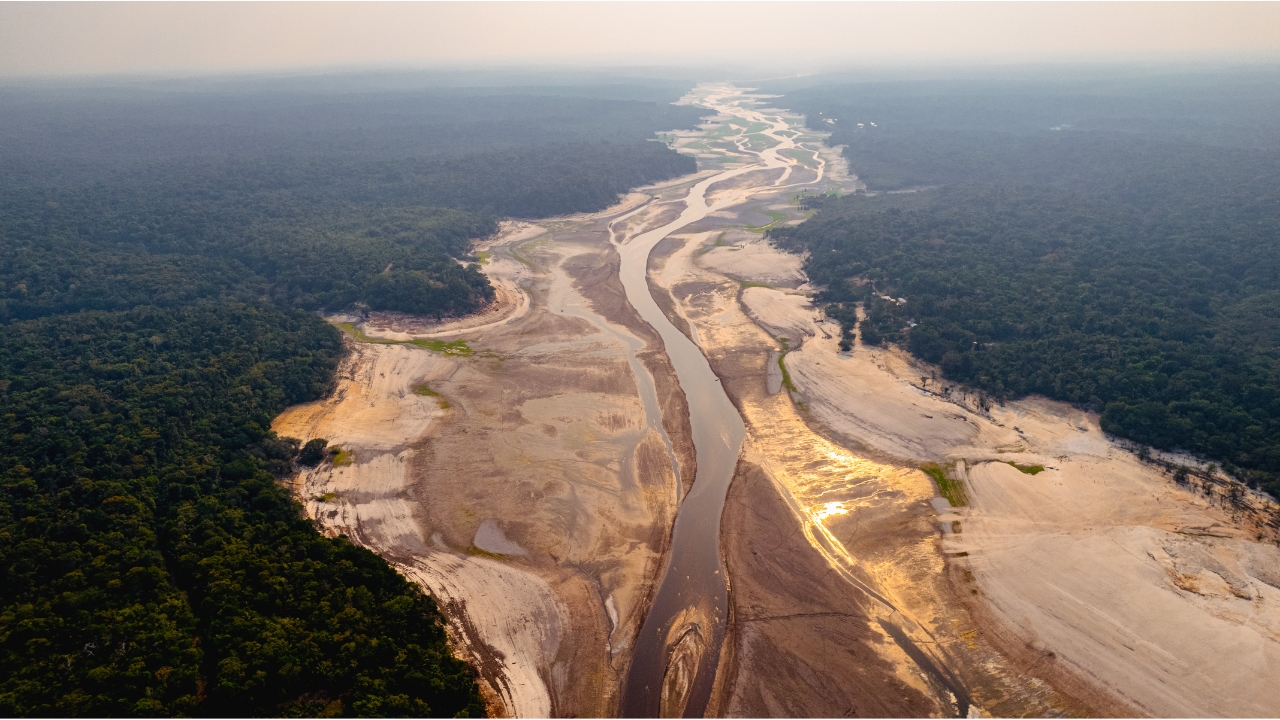
Projections Indicate That The Forest May Face Hot And Prolonged Droughts, With Direct Impact On Tree Survival And The Maintenance Of The Biome.
Brazil brings together great climatic diversity, with six main types recognized by specialists. Even so, this scenario may change in the coming decades.
There is a forecast of a period of hot and prolonged droughts capable of compromising the survival of trees in the Amazon. Concern is rising because this condition may alter the basic functioning of the forest, affecting the water available and the ability to keep the vegetation alive.
Recent research points to the possibility of the atmosphere of the Amazon rainforest evolving into a hypertropical regime by the end of the century. This means a warmer environment than 99% of tropical climates, associated with intense droughts.
-
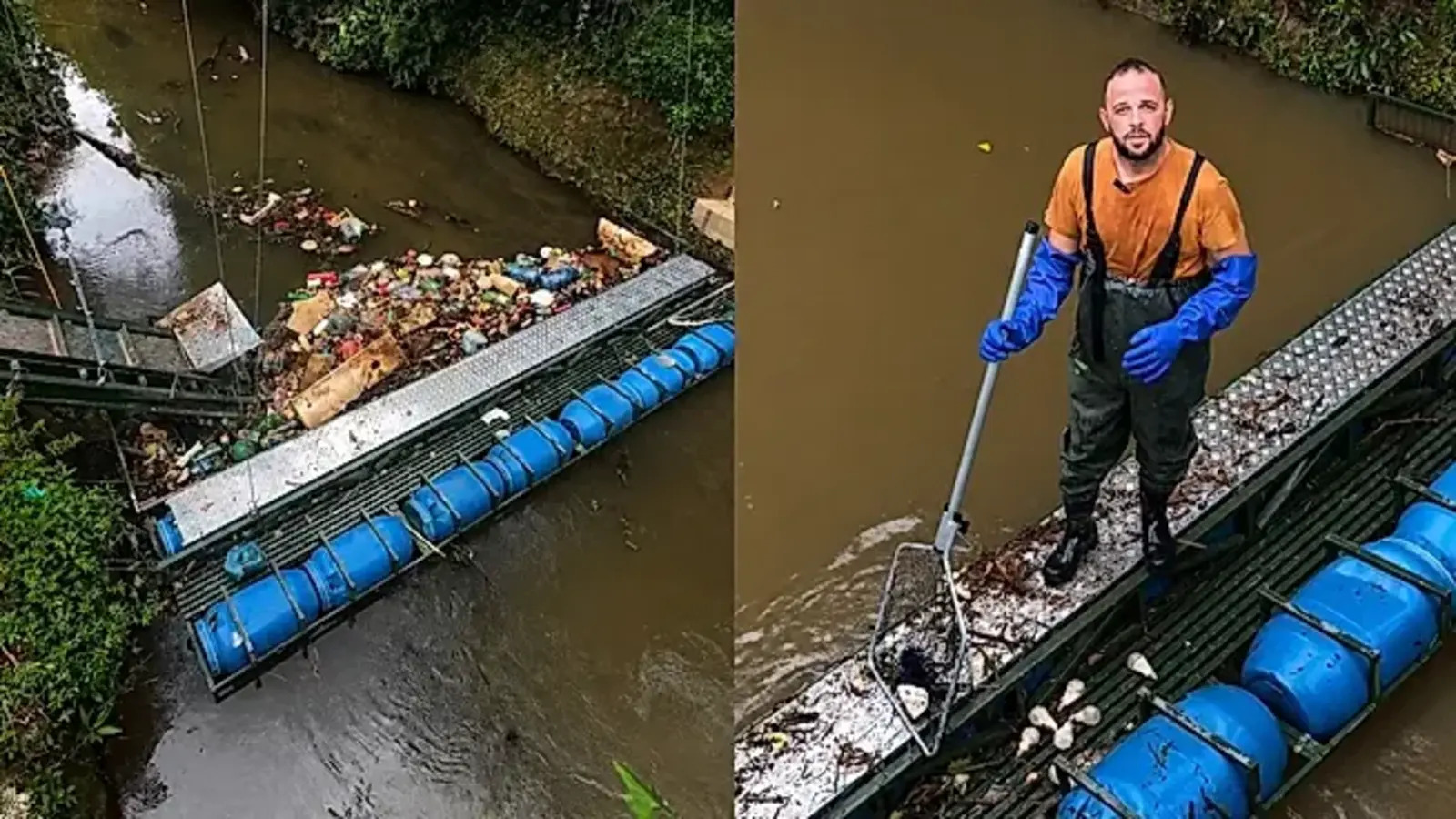
Brazilian promises his children to save a river, creates an eco-barrier in his backyard, has already removed more than 40 tons of trash from the water, and even inspires the idea in other states of the country.

-
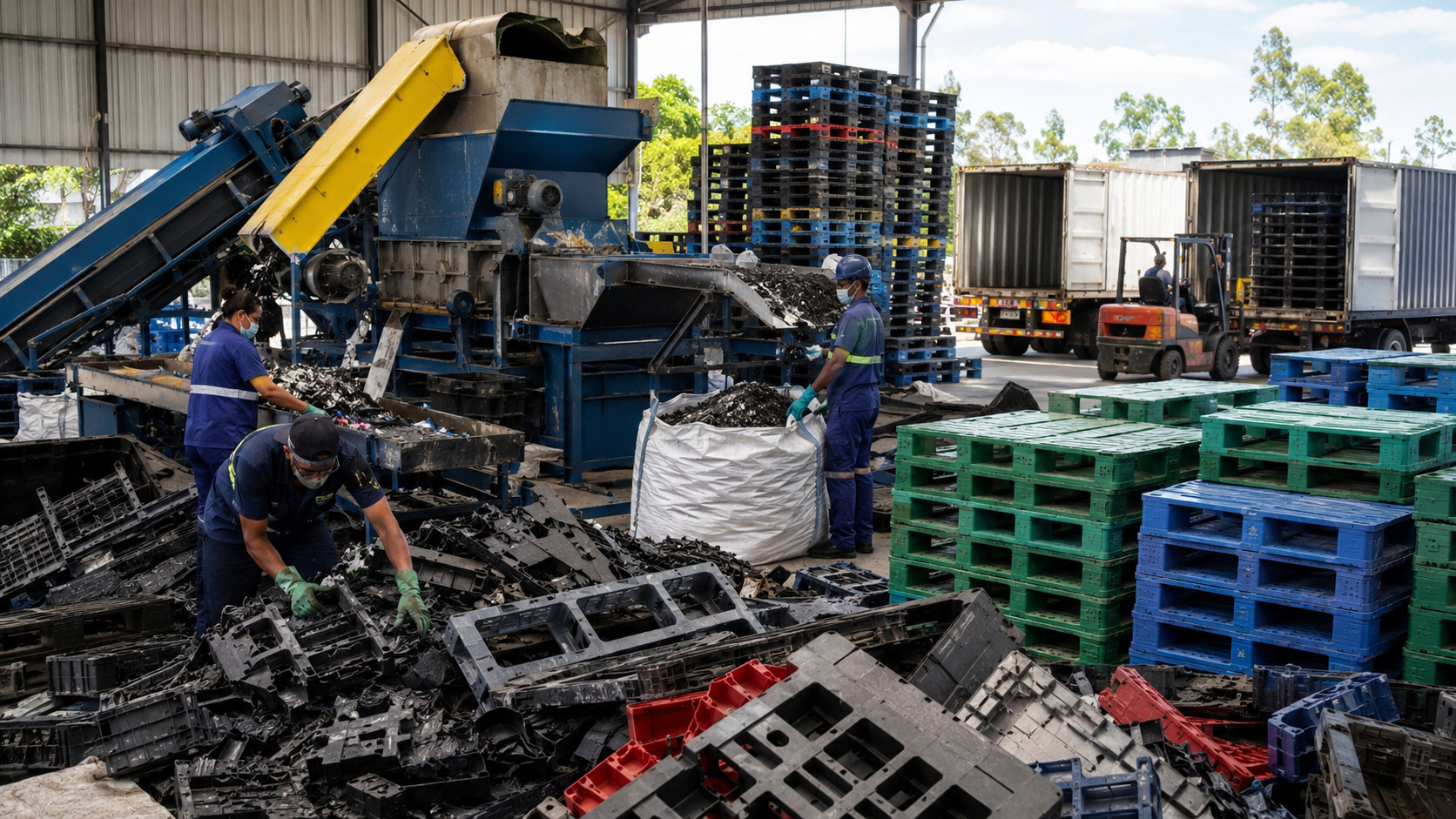
How a Brazilian company created a system that transforms broken pallets of any brand into new assets, recycles 80 tons of plastic per month, and found a profitable solution to a problem that challenges industries across the country.

-
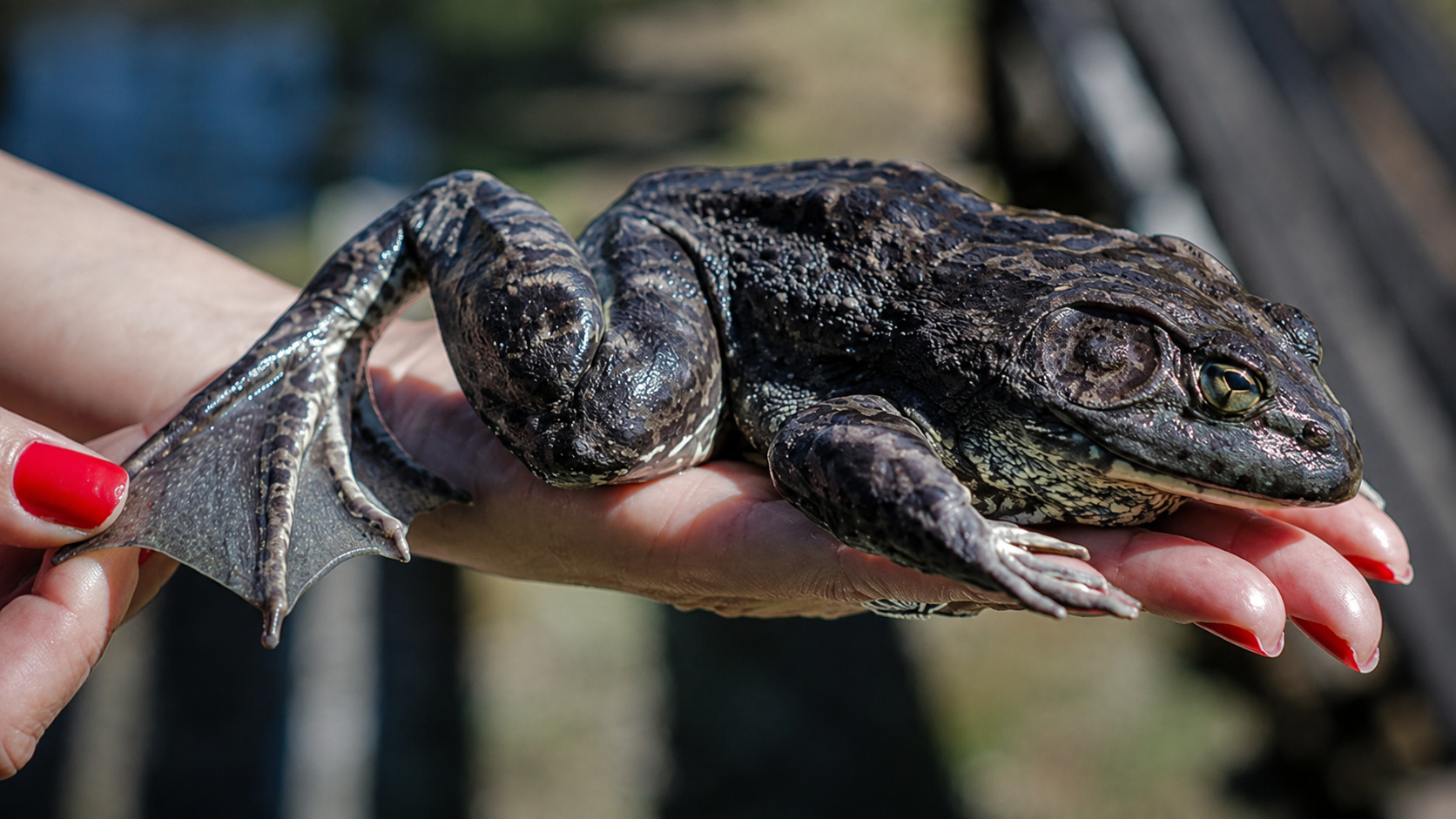
Invasive bullfrog capable of devouring other amphibians and laying up to 20,000 eggs is found in Florianópolis, raising an alert about the threat to native fauna.
-
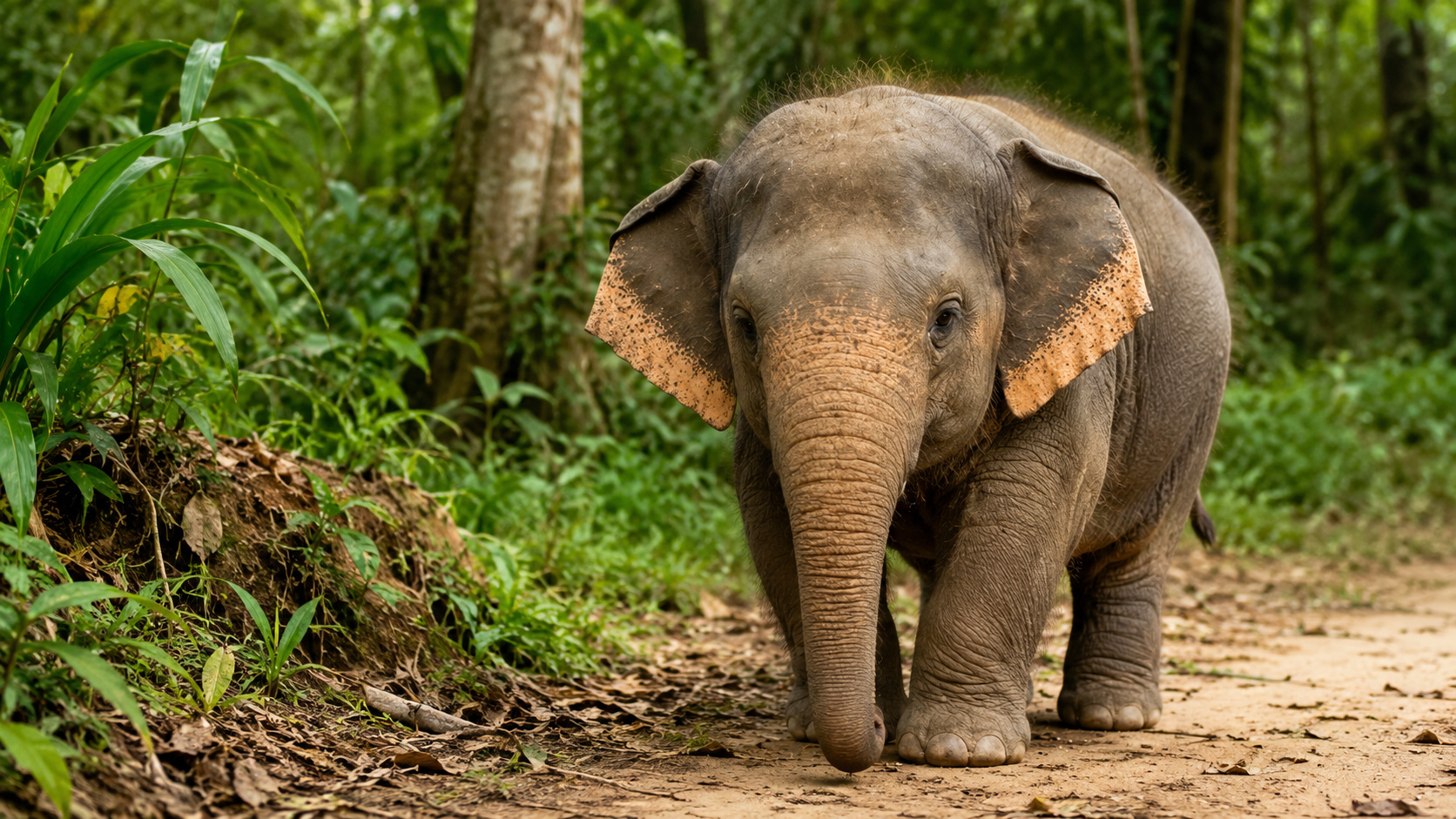
It looks like a baby, but it’s an adult: meet the Bornean pygmy elephant, the smallest elephant in the world threatened by habitat loss.
What Happened And Why It Caught Attention
The alert revolves around the emergence of an atmospheric condition with characteristics not yet observed in Brazil. The combination of high heat and long periods without rain tends to put pressure on the forest at various levels.
Similar climates have only been recorded in the tropics between 10 and 40 million years ago. This interval reinforces the idea that the projected scenario represents a strong change in the known climate pattern in the region.
By 2100, there is an estimate of the occurrence of extensive dry periods in the Amazon. In this format, the climate may spread for up to 150 days per year, increasing stress on the vegetation.

What Changes Practically For The Amazon Rainforest
When drought repeats and prolongs, the forest loses part of its ability to remain stable. This involves everything from the availability of water in the soil to the temperature balance within the canopy.
The intensification of heat makes it more difficult to sustain the vital processes of trees. The practical consequence is a greater risk of biomass loss and weakening of areas that still resist.
The projections also associate frequent and intense droughts with a 55% increase in tree mortality. This indicator amplifies the alert signal because it points to significant losses.
What Was Checked In The Research With Monitored Trees
The biomass monitoring of the forest has been done for over 30 years by teams from the Lawrence Berkeley National Laboratory in California and the National Institute for Amazon Research, INPA, in Manaus.
During the analysis of water movement, minute by minute, inside 87 trees, the results were integrated with soil characteristics and temperature within the canopy.
With elevated temperatures, it was proven that during intense droughts, photosynthesis is impaired. This reduces the capacity for growth and maintenance of trees, precisely when the demand for water is most critical.

How Heat Affects Photosynthesis And Gas Exchange
In environments that are too hot, stomata close to prevent water vapor loss. These pores are responsible for absorbing carbon from the atmosphere, which directly influences photosynthesis.
When the stomata remain closed for longer, the tree reduces carbon intake and loses efficiency in energy production. In practice, the plant enters a survival mode that limits its normal functioning.
This mechanism protects against immediate dehydration, but increases vulnerability when drought extends. The result tends to be a longer period of physiological stress.
What May Happen When Soil Moisture Drops Too Low
There is a point where the soil becomes dry to a critical level. When soil moisture drops to less than one third, trees may die by another path.
In this scenario, there is a risk of developing embolisms, which are air bubbles in the sap. This problem interrupts the transport of water within the plant, making recovery difficult even when rain returns.
The combination of persistent heat, low soil moisture, and embolisms creates a more hostile environment for the survival of trees, with the potential to increase losses during intense drought periods.

Points Of Attention And Common Questions
The term hypertropical regime indicates an extremely hot climatic pattern within the universe of tropical climates. The central idea is that the forest may start to coexist with heat and intense droughts more frequently.
Another concern is the duration of exposure to this stress. The projection of up to 150 days per year in this pattern increases the risk of accumulated damage, as the vegetation would have less time to recover.
It is also noteworthy the historical reference interval, between 10 and 40 million years, which shows how rare this type of condition is in the climatic record of the tropics.
The Amazon may face, by 2100, a hotter scenario with prolonged droughts, associated with the hypertropical regime. This situation is likely to increase tree mortality risk and jeopardize the stability of the biome.
The monitoring of 87 trees and the observation of effects on photosynthesis, stomata, and the risk of embolisms demonstrate how heat and lack of water affect vital processes. With more frequent droughts, the impact may spread and gain strength throughout the century.





Be the first to react!