Portuguese
  Spanish


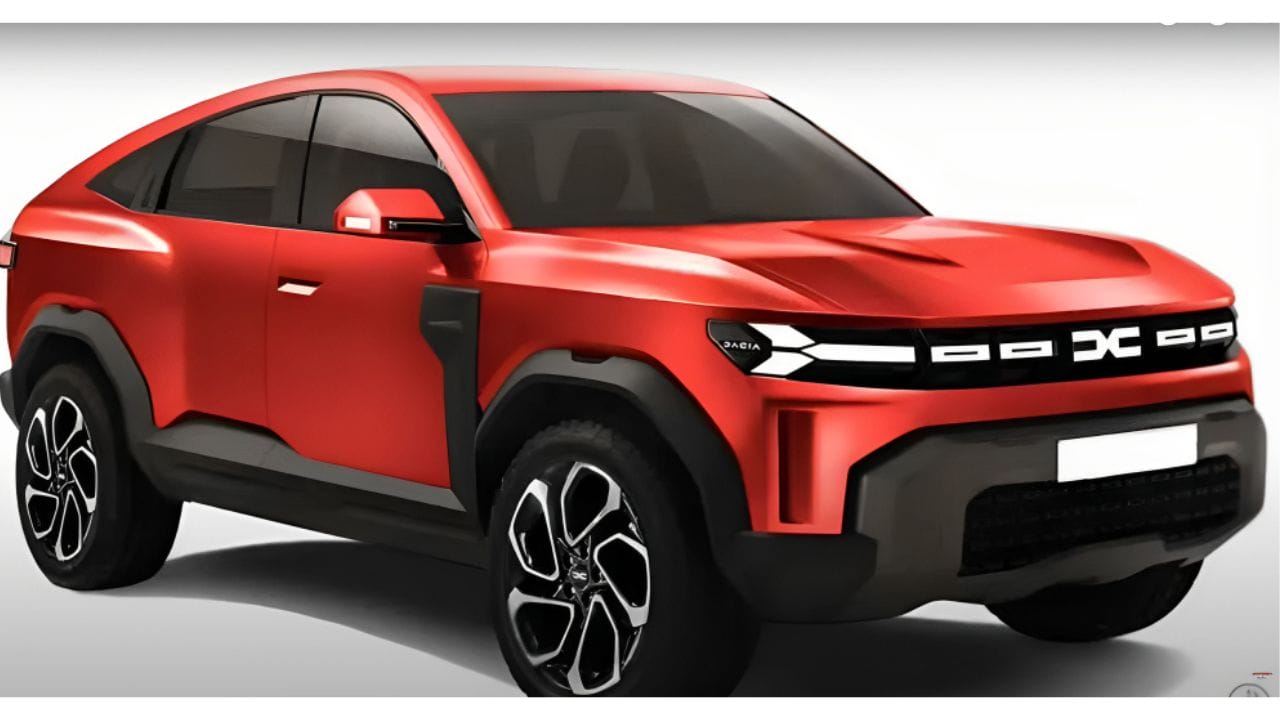

Dacia, The Romanian Subsidiary of Renault, Is About to Launch the Third Generation of the Duster, Promising a Revolution in the Compact SUV Segment. With a New Coupé Body, the 2025 Duster Arrives with the Promise of Modernity and Technology, Ready to Compete Head-On with Market Rivals.
The new Duster will be built on the Renault-Nissan CMF-B modular platform, the same one that powers the new European Captur and the Nissan Sentra.
The biggest novelty is the Coupé body, which adds a touch of sophistication and style to the model. The design is a complete break from previous models, showcasing a more robust and premium appearance.
In terms of performance, the Duster makes a significant leap. The big news is the introduction of a 1.0 turbo engine with direct injection, capable of generating up to 125 horsepower on ethanol.
-
End of an era in Brazil: beloved sedan by Brazilians is discontinued despite having a 2.0 engine with 151 hp, CVT transmission, 466-liter trunk, and up to 650 km of range.

-
New Law Proposal in Brazil Could Heavily Penalize Drivers: Dangerous Overtaking May Become a Serious Offense with Fines Increased Tenfold and a 12-Month License Suspension; Update on 2026 Progress

-
Electric Revolution: Watts W125 Motorcycle Offers 160 km Range, 90 km/h Speed, and Affordable Price Starting at $3,000
-
General Motors Replaces Over a Thousand Workers with 50 Cobots at Electric Vehicle Plant, UAW Union Criticizes Move Amid Industry’s Automation Push




The model will have a 1.3 turbo flex version of up to 170 horsepower. But the star of the range is the new hybrid setup, consisting of a 1.2 Turbo gasoline engine paired with a 48V electric motor, promising efficiency and performance.
The Interior of the New Duster Promises to Impress with Superior Quality Materials and a Modern Layout, Following the Standards of Renault Models Sold in Europe


Among the features, highlights include digital climate control, premium Bose sound system, electronic parking brake, configurable digital dashboard, and a new multimedia center with 360º cameras and wireless connectivity.
For the first time, the Duster will incorporate advanced safety features, such as collision warning with autonomous emergency braking, pedestrian and cyclist detection, and adaptive cruise control with stop and go function.
Scheduled to be officially presented in Europe later this year, the new Duster is one of the most anticipated launches in the global market. In Brazil, expectations are that the model will arrive in late 2024 or early 2025, with prices ranging from R$ 150,000 to R$ 200,000.
The new Duster and its Coupé version promise to elevate the standard for compact SUVs in the country, offering an unprecedented combination of style, performance, and technology.
Check the Comparison of the Renault Duster: The Evolution of an SUV

The Renault Duster, one of the most popular SUVs in Brazil, has undergone a remarkable transformation over the years. From a simple and robust model, it evolved into a vehicle that combines sophistication, technology, and performance.
The original Duster, known for its robustness and off-road capability, won the hearts of Brazilians looking for a sturdy and reliable car to tackle the country’s challenging roads. With a simple yet functional design, the Duster stood out in the SUV market for its value for money.
The new generation of the Duster, on the other hand, represents a significant leap in terms of design and technology. With a redesigned front, LED headlights, and a push bumper, the new Duster displays a more modern and aggressive look. The 17-inch alloy wheels and rubber details on the sides add a touch of sophistication to the model.