Portuguese
  Spanish


Innovation in Air Defense: Israel’s New US$ 1.2 Billion Laser Is an Unstoppable Weapon with No Ammunition Limit That Can Destroy Long-Distance Threats — The U.S. Is Already Interested
Israel, known for its expertise in advanced defense technologies, is about to add a new and powerful tool to its arsenal: the Iron Beam. This air defense system laser, valued at US$ 1.2 billion, promises to be almost unstoppable and has already attracted the interest of the United States, which is also considering adopting this revolutionary technology.
The Power of Laser in Defense
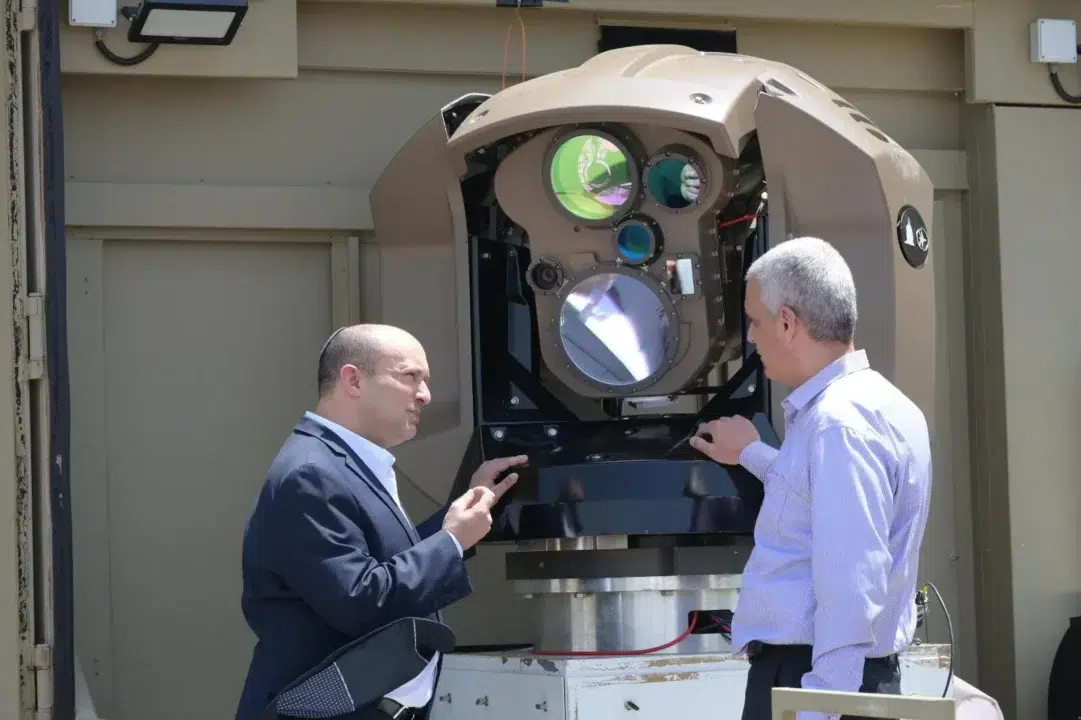
The Iron Beam is the world’s first laser-based defense system. Developed by Rafael Advanced Defense Systems, this high-energy laser is designed to intercept and destroy a variety of aerial threats, including drones, mortars, and anti-tank missiles.
The system works by directing light photons through a complex setup of mirrors, forming a concentrated beam the diameter of a coin. This beam can obliterate targets up to 7 kilometers away, offering incredible precision even under adverse atmospheric conditions.
-
European Parliament Approves Digital Euro, Aiming to Challenge Visa and Mastercard’s Dominance and Transform Payments Across Europe by 2029

-
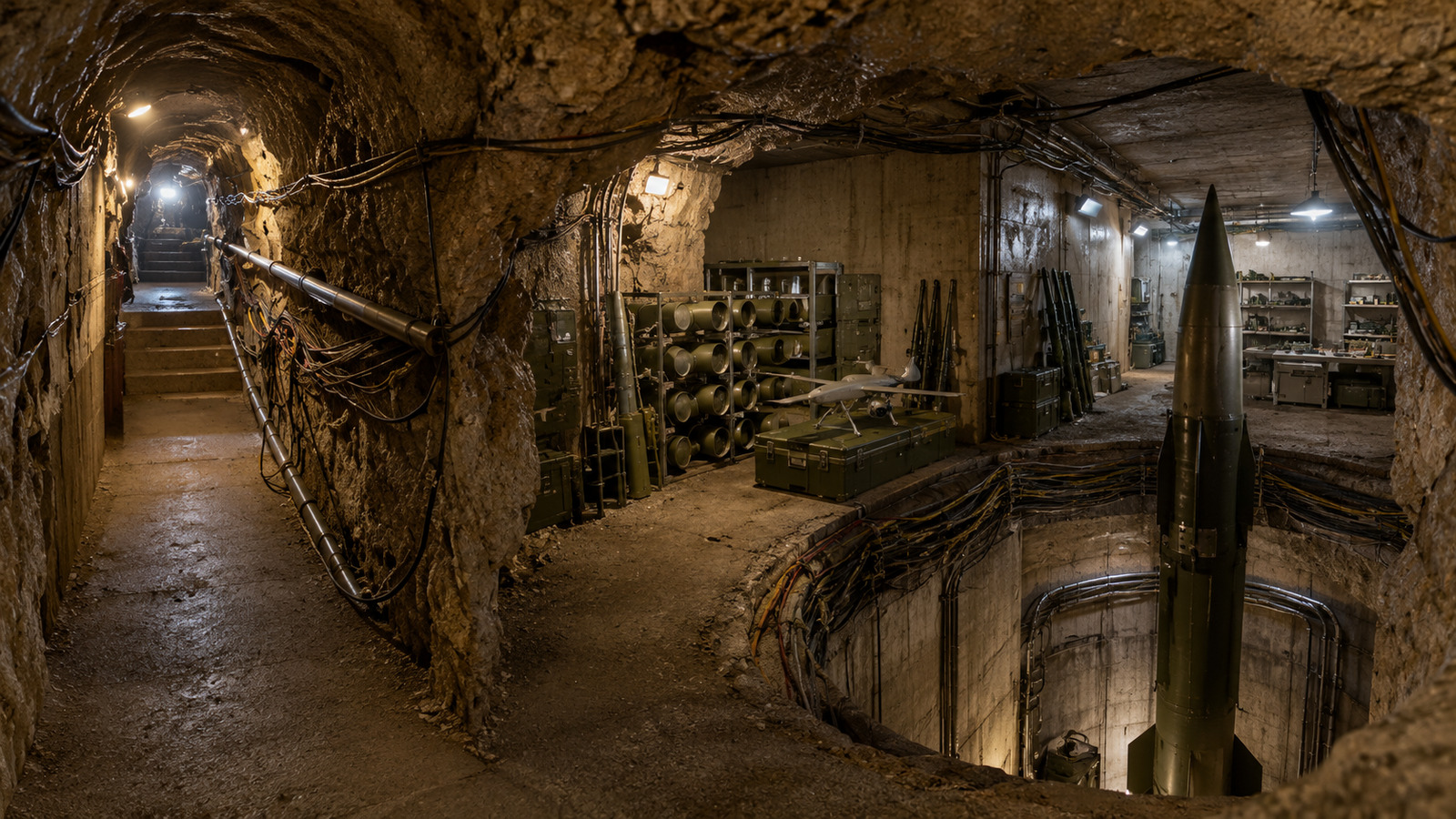
Israel finds Hezbollah militarized tunnel over 200 meters long under village, with 4 missile launch shafts, 12 chambers, anti-tank missiles, drones, and weapons depots at a depth of 25 meters.

-
Ukraine launches largest drone attack on Moscow since 2022, Russia claims to have intercepted nearly 200 aircraft near the capital, Kapotnya refinery targeted again, and offensive reignites alert about war reaching the Russian energy heart just a few kilometers from the Kremlin.

-
Truck drivers, freight, and fines from 2022 take center stage in politics: Chamber approves MP with amnesty, mandatory tracking by CIOT, million-dollar penalties, and new minimum wage for those who spend more than 24 hours on the road.



One of the great advantages of the Iron Beam is its operational cost. Unlike traditional interceptor missiles, such as those used by the Iron Dome system, which can cost between US$ 40,000 and US$ 80,000 per unit, the Iron Beam’s laser only consumes electricity, with an estimated cost of US$ 3.50 per shot. This factor not only makes the system extremely economical, but also practically inexhaustible as long as there is energy available.
Complementing the Iron Dome
Although the Iron Beam is an impressive addition to Israel’s defense arsenal, it will not replace the Iron Dome. Instead, the two systems will work together, with the Iron Beam being used for short-range interceptions, while the Iron Dome continues to handle threats at longer distances of up to 70 kilometers.
However, the Iron Beam is not without limitations. Its range is significantly shorter than that of the Iron Dome, and its effectiveness may be compromised by adverse weather conditions, such as high humidity and excess smoke. Additionally, there are concerns that groups like Hamas and Hezbollah may develop rockets resistant to the heat generated by the laser.
The Interest of the United States
In light of growing global threats, the United States is attentive to the potential of the Iron Beam. Laser technology offers a fast and cost-effective defense solution capable of countering a variety of aerial threats. With US$ 1.2 billion in funding approved by President Biden, part of a US$ 15 billion military aid package to Israel, the U.S. is investing in the implementation and enhancement of this system.
However, the initial experience of U.S. military forces with laser defense systems has been mixed. While the technology performs well in laboratory conditions, its application in real combat scenarios has revealed challenges that still need to be addressed.
A Promising Future
With the imminent deployment of the Iron Beam, Israel is taking another significant step in protecting its population from aerial attacks. As weapons become more sophisticated and threats increase, systems like the Iron Beam will be crucial for ensuring security in conflict scenarios. And with the support of the United States, this innovative technology may soon become a key component of air defenses in other nations.
The Iron Beam represents not only a technological advancement but also a strategic shift in how nations can protect their populations and critical infrastructures. If the system delivers on its promises, it could redefine global air defense standards, providing an effective and economical solution against future threats.