






 Portuguese
  Spanish
  2 min of reading
  0 comments


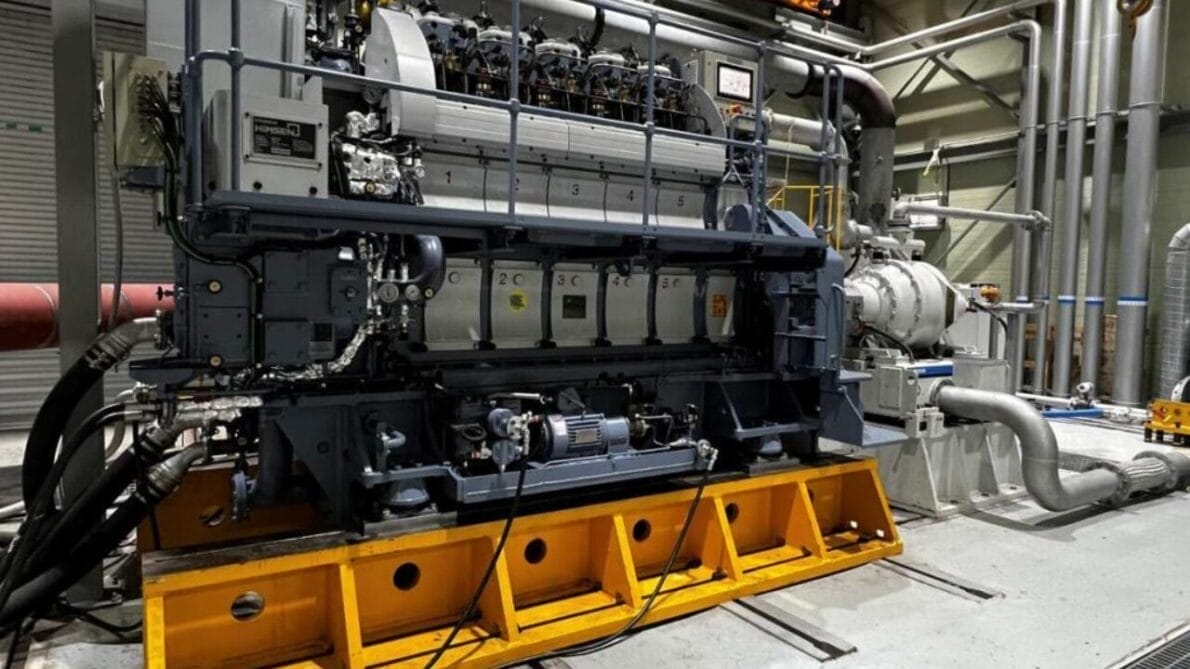
Ammonia as Marine Fuel: Learn How Ammonia Is Being Used as a Renewable Energy Source for Marine Engines, Ensuring High Thermal Efficiency and Significant CO₂ Reduction
The combustion technology of MW-class marine engines that uses ammonia, a future renewable energy source, as fuel, will be applied for the first time in Korea. A ship engine powered by ammonia is expected to enhance its competitiveness in the global market, which aims to develop an environmentally friendly marine engine.
A joint research team, led by principal researcher Cheol-Woong Park from the Korea Institute of Machinery and Materials (KIMM), the Korean Register, HD Hyundai Heavy Industries, HD Korea Shipbuilding & Offshore Engineering, the Korean Research Institute of Ships and Ocean Engineering (KRISO), and Kunsan National University, successfully demonstrated the technology using dual-fuel LNG-ammonia engines at the KR Testing and Certification Center (KR TCC).
The research team demonstrated the test by injecting ammonia at high pressure into the combustion chamber of a marine engine and maintained stable combustion with high power and thermal efficiency. Ammonia is a promising carbon-neutral fuel. However, it is a challenging material to handle as a fuel supply due to concerns like corrosiveness and toxicity. Additionally, there are issues that result in reduced power and efficiency in ammonia-powered engines, as it requires high ignition energy to ignite and incomplete combustion increases due to slow combustion speed.
-
Why can the crane operator only obey the correct signalman on the construction site: among dozens of workers, a hand raised by the wrong person can confuse the maneuver and turn a load of tons into an immediate risk.

-
What changes with the new public transportation rules that can reduce pressure on fares and pave the way for zero fare in Brazil?
-
Three Chinese companies manufacture more than 96% of the world’s dry cargo containers and 100% of refrigerated ones, in a dominance built over 40 years that has made it almost impossible for the West to compete in this market.

-
Argentina confirms Belgian giant to lead strategic Paraná River waterway and promises to reduce logistical costs on one of South America’s most important routes



The demonstration of the technology testing ammonia as fuel was verified by changing the sealing ring material in the fuel supply system of the MW-class LNG-ammonia dual fuel engine. The material change prevented corrosion and external ammonia leakage and reduced carbon dioxide emissions by more than 50%.
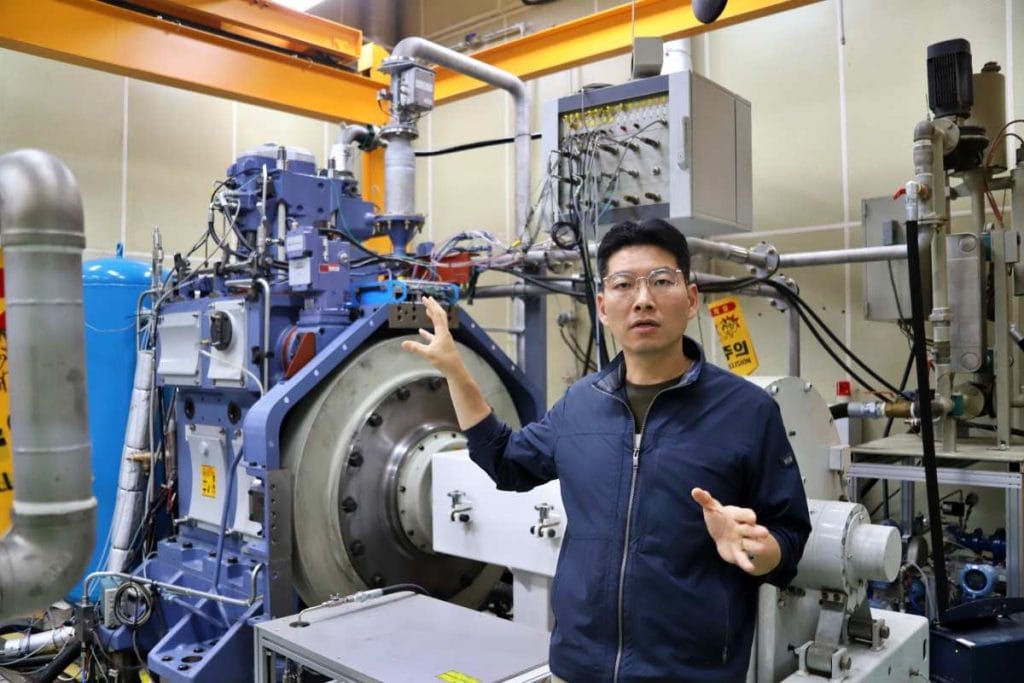
The research team met the requirement for the ignition condition that requires high energy by optimizing the ammonia fuel injection timing and combustion speed. Furthermore, the technology demonstration simultaneously resolved both performance output enhancement and emission reduction by injecting ammonia fuel at high pressure directly into the combustion chamber and maximizing thermal efficiency through poor combustion mixing with air.
MW-class ships utilizing dual fuel LNG-ammonia engine combustion technology represent an exceptional technology that can meet greenhouse gas emission regulations and ensure leadership in the future of the shipbuilding industry. The technology can be applied to ship engines; it can also expand its application to various energy sources that need to reduce greenhouse gas emissions, such as cars and generators.
Cheol-Woong Park, Principal Researcher at KIMM







Be the first to react!