Portuguese
  Spanish


Learn How 157 Euro 6 Buses Will Reduce Pollutants and Modernize Transportation in Cities of 5 Brazilian States.
In a significant step toward the modernization of public transportation in the country, the New PAC allocates R$ 148 million for fleet renewal.
The initiative, announced through orders from the Ministry of Cities, will fund the acquisition of 157 Euro 6 buses, which will be distributed across five Brazilian states.
The funds, originating from the resources of the Employee Severance Indemnity Fund (FGTS), aim primarily to improve the quality of transportation services and, above all, to promote urban sustainability by reducing pollutant emissions.
-
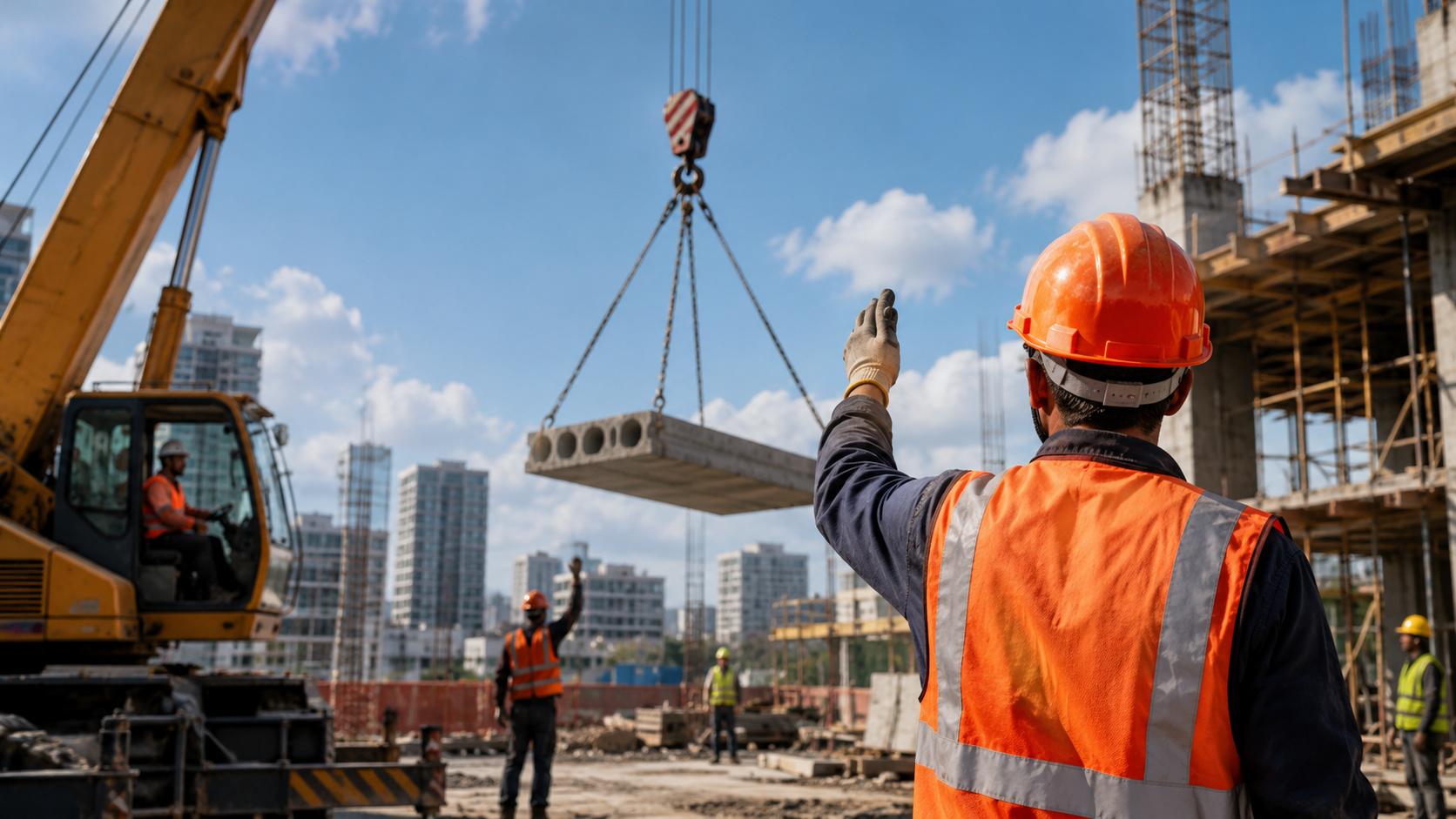
Why can the crane operator only obey the correct signalman on the construction site: among dozens of workers, a hand raised by the wrong person can confuse the maneuver and turn a load of tons into an immediate risk.

-
What changes with the new public transportation rules that can reduce pressure on fares and pave the way for zero fare in Brazil?
-
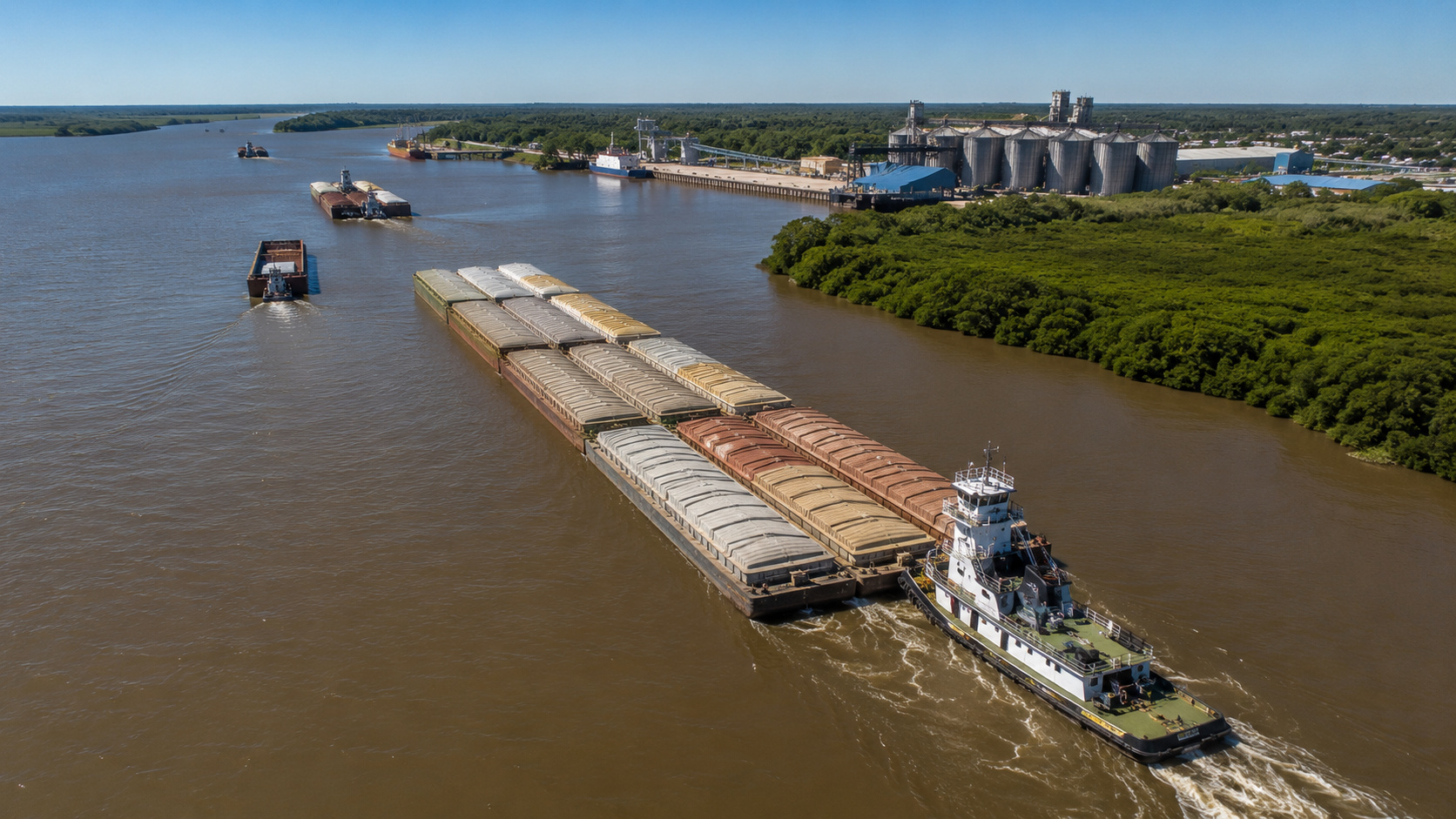
Argentina confirms Belgian giant to lead strategic Paraná River waterway and promises to reduce logistical costs on one of South America’s most important routes
-
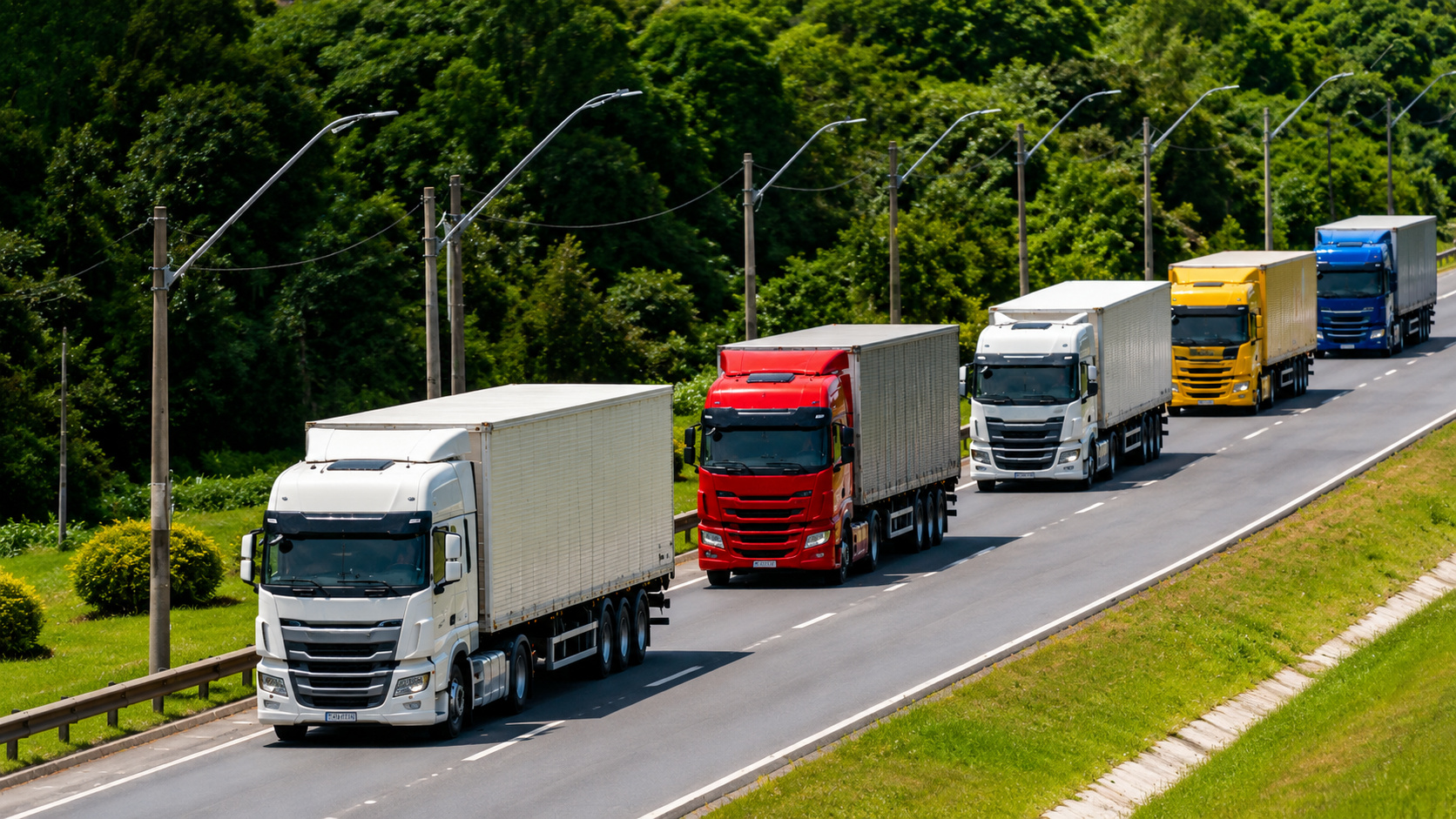
MBRF surprises the logistics sector by demonstrating how Artificial Intelligence can directly influence deliveries throughout Brazil by reorganizing distribution routes in seconds, optimizing fleet usage, reducing logistics costs, and speeding up product arrivals even in the face of unforeseen road incidents.
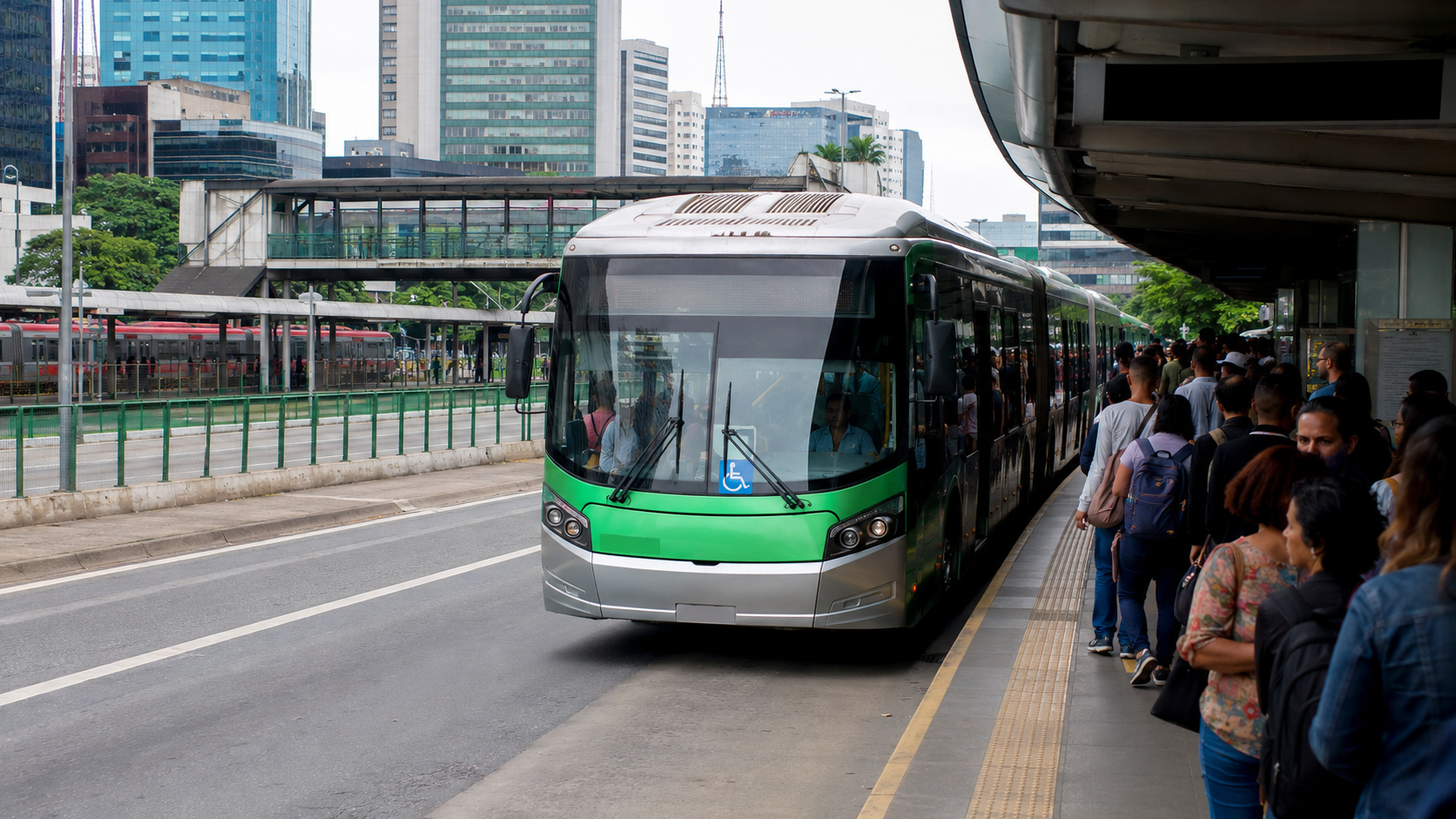
This measure demonstrates the federal government’s alignment with environmental goals, encouraging the adoption of cleaner technologies in the transportation sector, even in diesel-powered vehicles. The fleet renewal is a direct investment in improving the quality of life for citizens, who will have access to more efficient and less polluting transportation.
The Euro 6 Technology and the Commitment to the Environment
The main innovation of this initiative lies in the requirement of the Euro 6 standard.
This standard is a European emissions control standard that, even though the vehicles are diesel-powered, significantly reduces the emission of pollutants such as nitrogen oxides (NOx) and particulate matter (PM).
Euro 6 engines are equipped with advanced exhaust gas filtration and treatment systems that, in practice, drastically reduce the environmental impact of vehicles.
This results in cleaner air in cities, with direct benefits for public health.
The transition to fleets with Euro 6 technology is an important step in the journey toward greener and more sustainable urban mobility, even before the total popularization of electric vehicles.
Details by State and Bus Company
The investment has been segmented to meet specific proposals from bus companies in different regions of the country.
The Investment Destinations: A Map of Renewed Mobility
- State of São Paulo: Viação Transdutra has been selected to receive R$ 39.9 million for the acquisition of 52 vehicles that will serve the municipalities of Arujá, Guarulhos, and São Paulo (SP), enhancing mobility in one of the most populous areas of the country.
- State of Rio de Janeiro: Expresso Garcia has been awarded R$ 9.5 million for the purchase of 10 buses that will circulate between the municipalities of Niterói and Rio de Janeiro (RJ), optimizing transport in one of the region’s most important links.
- State of Minas Gerais: the renewal will be divided. Territorial Transportes will use R$ 14.326 million in Santa Luzia (MG), while Viação Sidon will receive R$ 9.69 million for the municipality of Ibirité (MG). In total, there will be 32 buses for the state.
- State of Paraná: the state will receive the largest share of buses, with 46 vehicles. Viação Santo Ângelo will have R$ 44 million to serve Curitiba, Colombo, and Bocaiuva do Sul (PR). Meanwhile, Viação do Sul will receive nearly R$ 6.5 million (R$ 6,468,550.00) to operate in Curitiba, Almirante Tamandaré, Rio Branco do Sul, and Itaperuçu (PR).
- State of Amazonas: the capital Manaus (AM) will benefit from 10 new buses, purchased by Expresso Coroado with financing of R$ 8 million (R$ 8,065,500.00), an important step for sustainable mobility in the region.
The fleet renewal with Euro 6 technology represents a breakthrough for public transportation, ensuring operational efficiency and reduced environmental impact, a crucial step toward smarter and more sustainable cities.