Portuguese
  Spanish


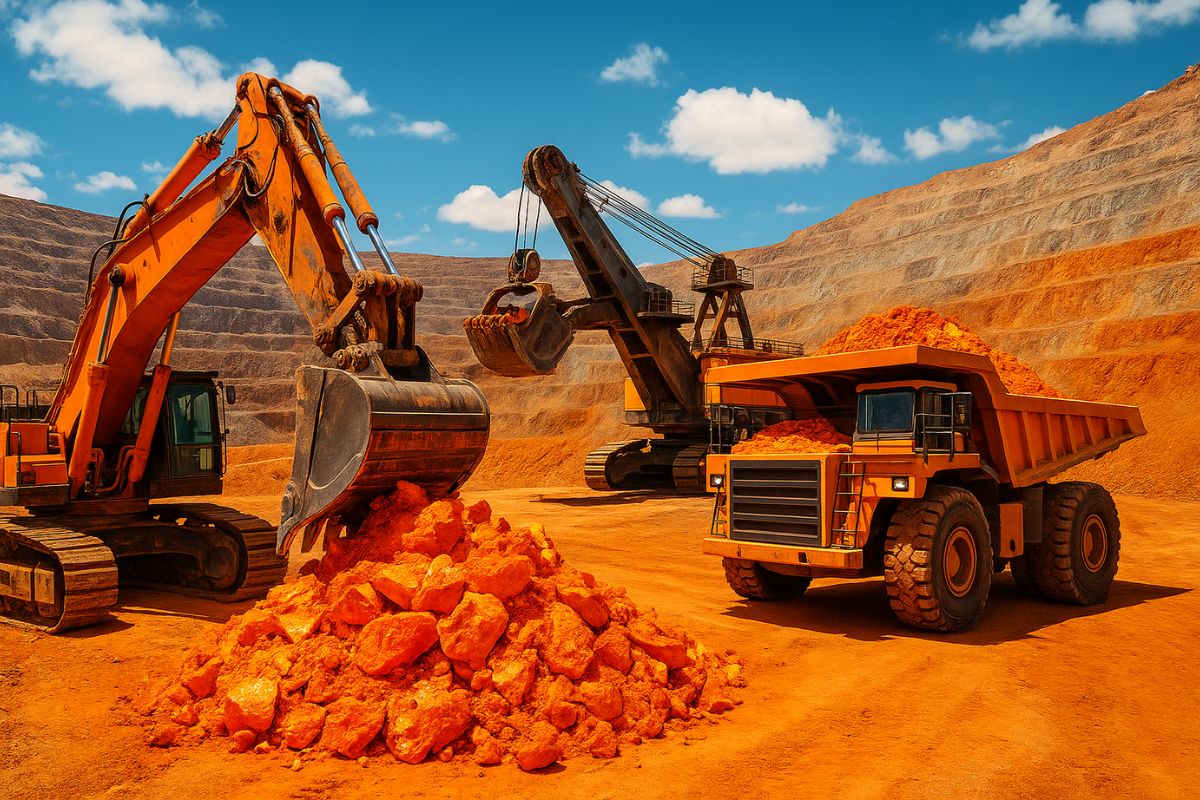

Copper: The New Oil That Could Determine the Course of the Global Economy. Strategic Metal Drives Electric Cars, Clean Energy, and Artificial Intelligence, But Faces Scarcity and Geopolitical Disputes.
Copper is moving from being just an industrial input to becoming a strategic asset of global proportions. Called the “new oil” by experts, the metal is essential for electric cars, transmission lines, solar and wind energy, data centers, and even artificial intelligence systems. According to S&P Global, by 2050, the world will need more copper than everything consumed between 1900 and 2021. This means concentrating over 120 years of demand into just 28 years at a time of limited supply and increasingly complex extraction.
The energy transition and accelerated digitalization have placed copper at the center of a dispute that involves technology, economics, and geopolitics. If in the 20th century oil determined the power of nations, in the 21st century copper may take on that role. The growing scarcity, coupled with Chinese dominance in refining, raises concerns about strategic security and price stability.
Why Copper Is So Valuable
Nicknamed the “metal of electrification” and known on Wall Street as Dr. Copper for predicting economic cycles, copper is unmatched in conducting electricity on a large scale, surpassed only by silver, whose cost makes industrial applications unfeasible.
-
China could reduce iron ore imports from 80% to 50% of consumption by 2030, while its share in global steel production falls from 52% to 46%, in a shift that could reshape the global market, says CMRG.

-
Brazil is sitting on one of the largest lithium reserves in the world, in the Jequitinhonha Valley, but national mining has almost become an appendage of China: 97% of the metal’s export goes to a single country, which also dominates refining.
-
Iron ore falls to 762 yuan in China as real estate sales decline and steel production hits lowest level since 2018
-
Brazil has minerals, clean energy, and a waiting market, but it could miss a billion-dollar opportunity if it doesn’t speed up the race for green minerals, while the steel industry seeks to reduce emissions.


Additionally, it is malleable, durable, and resistant to corrosion, allowing it to be shaped into wires and sheets for various applications.
This versatility means it is present in cables, motors, transformers, batteries, cooling systems, and transmission networks. With the explosion of global electrification, its importance is growing at an accelerated pace.
High Demand and Impressive Numbers
The rise of electric cars is one of the main drivers of this demand. A combustion vehicle uses about 24 kg of copper, while an electric vehicle uses between 60 and 83 kg, up to four times more. In electric buses, this number can reach 370 kg per unit.
Another factor is the infrastructure needed to charge this fleet: charging stations, transformers, and kilometers of electrical cables. Solar and wind energy are also driving consumption; for example, offshore wind generation uses three times more copper than coal-fired plants.
Global digitalization and artificial intelligence are also contributing to the demand. Studies by BHP indicate that by 2050, data centers could consume 3 million tons annually of copper, compared to 500,000 tons currently.
The Challenge of Extraction
Despite an estimated geological abundance of 3.5 billion tons of undiscovered copper, economic viability is a hurdle. Today, the average concentration of copper in mines is only 0.6% to 1%, compared to up to 10% a century ago. This means more rock for less metal, increasing costs, energy consumption, and production time.
Opening a new mine can take 10 to 23 years due to environmental issues, licensing, and negotiations with local communities. To meet projected demand, three large mines producing 300,000 tons per year each would be needed, requiring an investment of over US$ 500 billion.
The Geopolitical Factor: China in Control
Chile and Peru extract almost half of the world’s copper, but China is the dominant force in refining: it processes 47% of the world’s metal and consumes 54% of all refined copper, nearly eight times more than the United States. This strategy has been built over decades, giving the country direct influence over the speed of the global energy transition.
With African countries like the Democratic Republic of the Congo and Zambia also among the major producers, political instability and geographical concentration increase the risk of volatility and supply crises.
Paths to the Future
To reduce dependence on new mines, recycling is gaining traction. Currently, 60% of discarded copper is reused, and estimates suggest that this rate could reach 90% by 2040. Initiatives like Vivo’s, which intends to sell 120,000 tons of copper from its old telephone network, show that the circular economy will be a crucial part of the solution.
Nevertheless, experts warn: without sufficient supply and affordable prices, the electric revolution could slow down. The race for copper will be a test of balance between sustainability, economics, and geopolitics.
What do you think, do you believe that copper will really be the “new oil”? Could this dependency create new conflicts or open opportunities for countries that know how to explore the metal strategically? Leave your opinion in the comments, we want to hear from those who closely follow these changes.