






 Portuguese
  Spanish


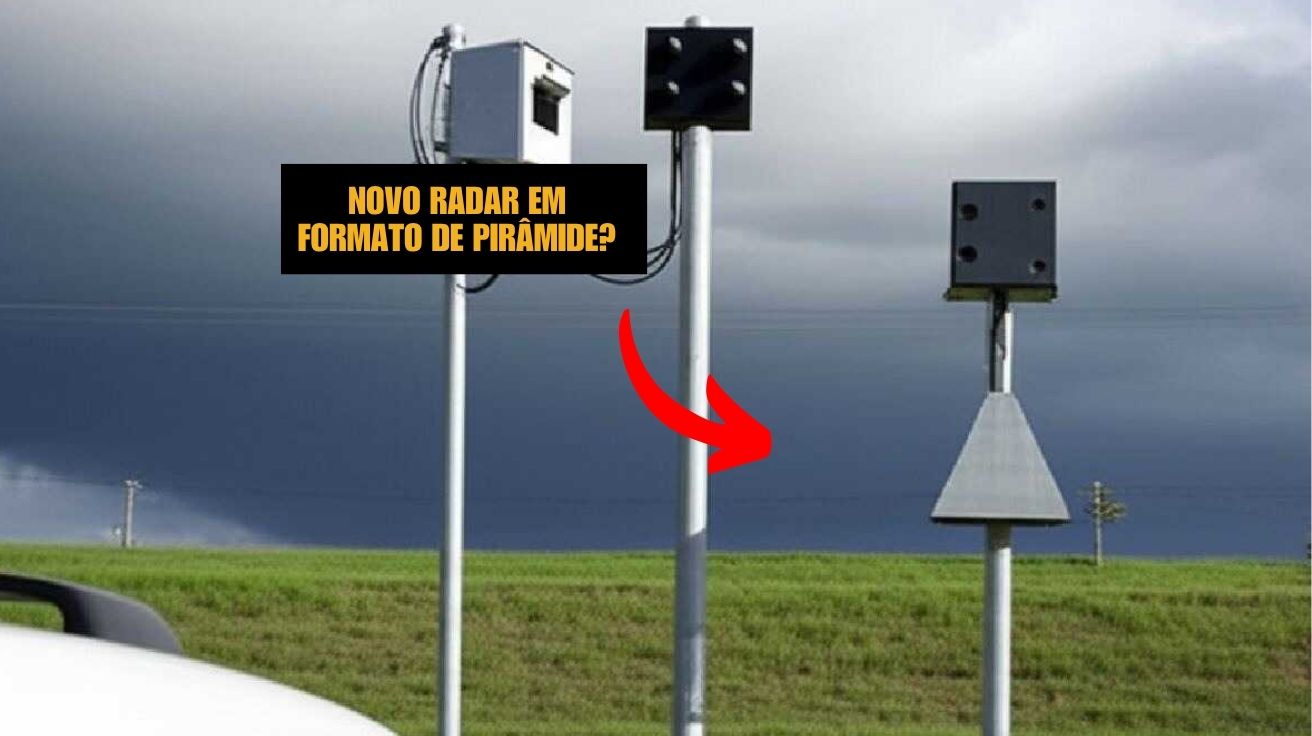


Supposed New Generation of Radars with Unusual Design Is Appearing on the Streets and Confusing Drivers While Expanding the Reach of Electronic Surveillance in Cities.
An installed structure on some traffic radar poles has caught the attention of drivers on Brazilian roads.
Popularly known as “pyramid radar,” the equipment is characterized by an inverted triangular shape that suggests, for many drivers, the presence of a new generation of smart radars.
However, investigations with official sources and specialists reveal that the structure is merely an anti-theft mechanism and does not have any additional monitoring technology.
-
70-Year-Old Brazilian Dentist Fulfills 20-Year Dream by Visiting Seven of the World’s Highest Peaks in the Himalayas

-
Heatwave in Europe Causes Drownings: France Reports 40 Victims as Temperatures Soar to 40°C, Experts Issue Surprising Warning
-
French Solar Mirror Array Concentrates Sunlight 16,000 Times, Reaching Temperatures Over 3,000°C

-
Brazil to Use Reinforced Concrete in $200.4 Million Mega Roundabout Project with Four Overpasses and Expanded Bridge, Set to Last 630 Days



The pyramid-shaped structure is not a new radar, but rather a protective device.
Introduced on highways like Ayrton Senna (SP), it aims to hinder access to the real radar, installed right above, and prevent theft and vandalism.
The triangular casing prevents improvised climbing and protects components such as cameras and sensors, whose value can exceed R$ 100 thousand.
The CPG team conducted a survey to find out how much of the information about the new supposed radar is true. Check it out:
Structure Lacks Advanced Technology
Contrary to what some publications suggested, the pyramid does not house LiDAR sensors, 5G connection, embedded artificial intelligence, or automatic license plate reading systems (OCR).
These technologies exist in some modern radars installed in the country, but their presence is not related to the specific triangular design.
It is a common mistake to associate the structure with a new type of radar.
According to information from manufacturers and traffic authorities, the shape is merely functional and focused on the safety of the equipment.
Smart Radars Exist, but They Are Different
In recent years, several Brazilian capitals have started to have smart radars capable of identifying violations such as cell phone use, running a red light, and failure to wear a seatbelt.
However, these technological advances are related to the internal system of the radars, not the protective shape adopted.
The so-called “pyramid radar” has no direct relation to these functionalities.
Denatran Is Not Testing the So-Called Pyramid Radar
Nor does the assertion that the National Department of Traffic (Denatran) is testing these devices in cities like São Paulo, Curitiba, and Belo Horizonte since the end of 2024 hold true.
The evolution of electronic surveillance has occurred through local agencies, such as CET and city halls, and through partnerships with private companies.
So far, there is no national program underway focused on the mass installation of pyramid structures.
Number of Municipalities with Structure Is Not Confirmed
The estimate that this supposed new radar will be present in 50 municipalities by the end of 2025 also lacks documented support.
The pyramidal structure is used sporadically in areas with high rates of vandalism and is not part of a national expansion policy.
Meanwhile, the installation of modern radars with OCR and AI is already occurring in more than 24 states, with over 700 devices in operation, according to a 2024 survey.
There Is No Evidence of Accident Reduction
Regarding the promise of a reduction of up to 30% in severe incidents with the use of technology, there are no official studies or statistics that prove this number is linked to the pyramidal structure.
Although smart radars can indeed contribute to a decrease in accidents, the percentages vary by region and time period.
In Salvador, for example, there was a reduction of more than 50% in deaths after a decade of using Doppler radars, but not in relation to structures in the shape of a pyramid.
Integration with Public Safety Is Limited
The same goes for the supposed integration between these radars and public safety databases.
Cities like São Paulo and Salvador use OCR cameras linked to monitoring centers to identify stolen vehicles, but this is done through software systems and secure connections, not because of the design of the equipment’s casing.
Based on the evidence gathered, the so-called “pyramid radar” is an informal name given to a metallic protection installed on some equipment, with no relation to new monitoring technologies or integration with public safety.
The confusion originates from the unusual appearance of the structure, but there is no indication that it represents a revolution in traffic control.
In light of this, the lingering question is: Do you believe that the appearance of this type of radar should be more clearly indicated to avoid confusion among drivers?


