Portuguese
  Spanish


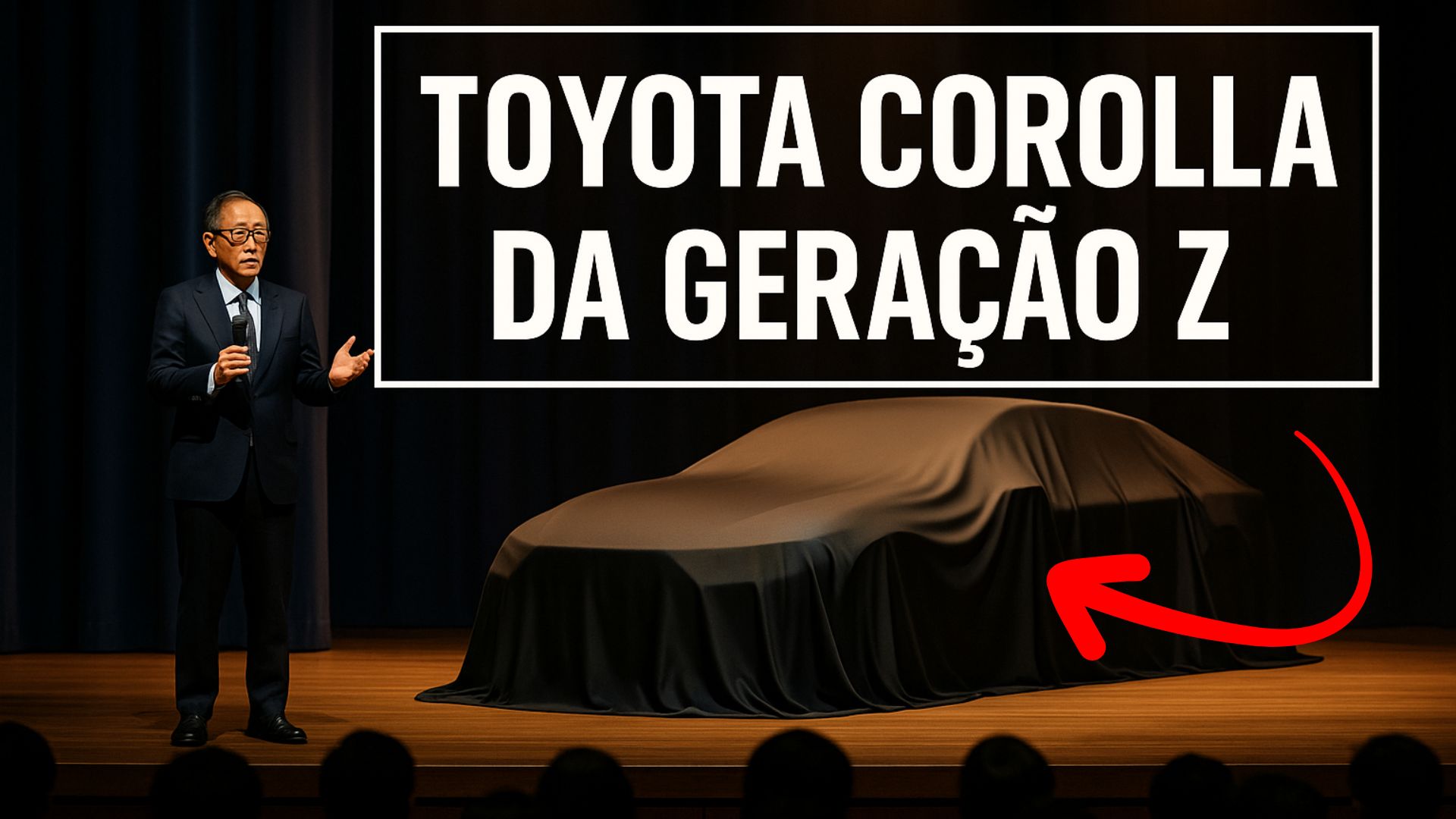


New Sedan Concept Displays Futuristic Design With Short Hood, Pixel Headlights, And Possible Electric Recharge In Fender, Anticipating Important Changes In The Corolla Line And Indicating A New Phase In Toyota’s Strategy.
The Corolla has appeared in a new concept that breaks with the conservative image of the sedan.
Toyota showcased, in Japan, a prototype with clean lines and bolder proportions, featuring a short hood, front headlights with pixelated elements, and a charging port positioned in the fender, signaling a commitment to electrification.
The full presentation is scheduled for the Japan Mobility Show 2025, with a press preview on October 29.
-
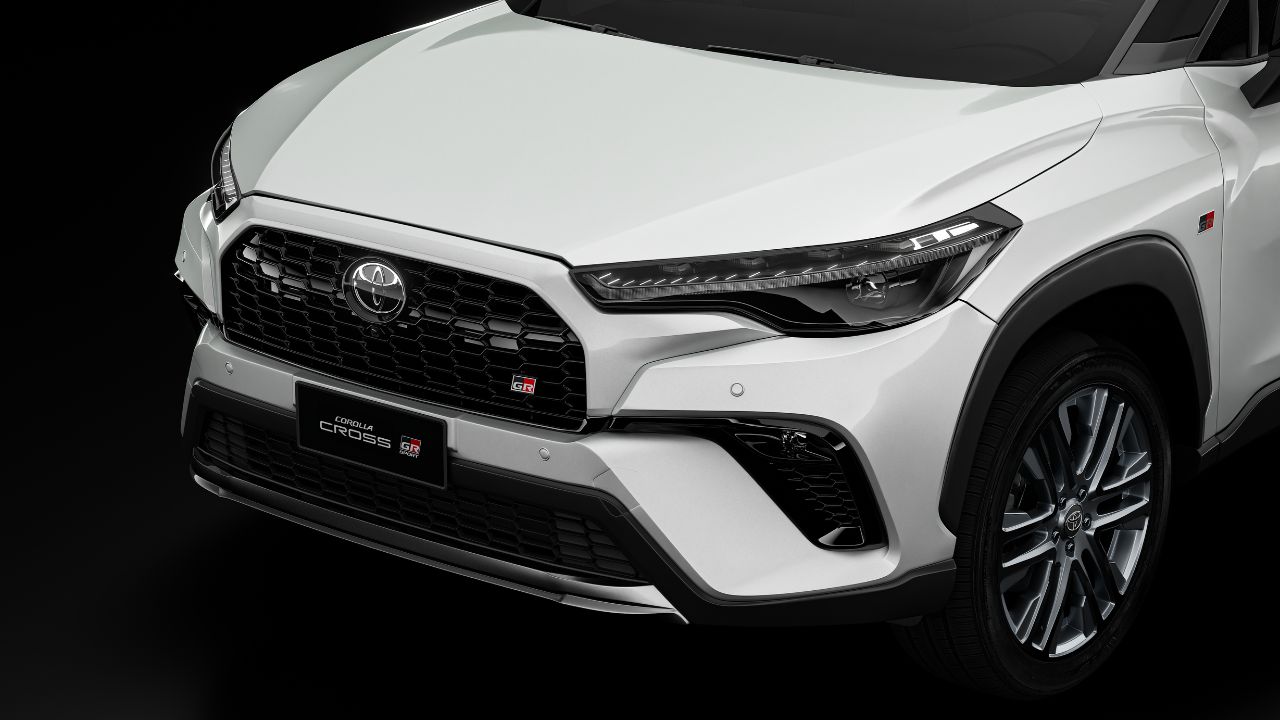
2027 Toyota Corolla Cross Unveiled: New Design, Enhanced Fuel Efficiency, Reduced Maintenance Costs, Advanced Technology, Connected Services, and Up to 10-Year Warranty

-
Fiat Cronos Precision 2018: Affordable Sedan with Spacious Trunk and Reliable Maintenance
-
Volkswagen to Cut Production by 1 Million Cars by 2030, Reducing Jobs and Platforms, Focusing on More Profitable Models

-
Toyota Launches First 100% Electric Car in Brazil: bZ4X with 343 HP, All-Wheel Drive, 361 km Range, Priced at $419,990 BRL, Limited to 99 Units



From the very first paragraph of the model’s manual, the Corolla has always been associated with reliability, economy, and comfort.
Now, the proposal changes tone. Instead of being just a functional sedan, the concept suggests a bolder design, although without the typical exaggerations of prototypes.
The presence of conventional side mirrors reinforces the impression that this is a study close to production, indicating a viable path for the next generation.
Futuristic Visuals And Signs Of Electrification

The body exhibits balanced proportions and surfaces without excess.
The daytime running lights with pixel signature, the continuous light strip, and the discreet “ducktail” spoiler on the trunk lid create a more technological appearance.
Moreover, the charging port in the fender is the clearest indication that the concept was designed for some level of electrification.
Based on the positioning of the component and the architecture of the design, it grows increasingly apparent that the project was conceived from the start for a 100% electric variant.
Still, the brand confirms nothing beyond what has been shown.
There are no technical specifications, nor data on platform, engine, or dimensions.
The presentation, which is visually oriented, leaves room for interpretations, but the official guidance is that the details will only come during the event.
And Where Does The Prius Fit Into This Story
The advancement of an electrified Corolla raises questions about the space for the Prius.
In terms of positioning, an electric midsize sedan could, in some markets, overshadow the established hybrid.
In regions like Brazil, where the plug-in hybrid is not sold by Toyota, an electric Corolla could fill a gap with scaling potential.
On the other hand, the manufacturer itself has a history of coexisting with parallel solutions, which opens the possibility for a lineup with varying degrees of electrification to meet diverse realities.
Internal Combustion Remains On Toyota’s Radar

Even in light of the electric reading, the combustion version does not exit the scene.
The Corolla name is the best-selling nameplate in automotive history, and Toyota’s strategy traditionally avoids abrupt breakages.
The company continues research into ultracompact combustion engines compatible with electrified platforms, which could enable a coexistence between propulsion variants during a transition period.
This approach preserves the loyal base of the model while also preparing the ground for future low-emission solutions.
What Is Known And What Is Still Unclear
So far, the manufacturer has not disclosed chassis architecture, estimated range, power, or battery capacity.
There is also no confirmation of advanced assistance technologies beyond what is already expected from the brand.
Without these numbers, any technical statement would be speculative.
What we have is an aesthetic and package reading: shortened hood, cabin in a more forward position, and aerodynamic surfaces, signs of a project prioritizing energy efficiency and interior space.
New Design Language For The Line
The visual proposal of the concept also opens two possible paths for the family.
One of them is harmonization: maintaining a similar design for gasoline, hybrid, and electric versions, differing only in details, as already seen in other brands within the group.
The other is a clearer separation: the current Corolla would remain with a discreet style for those who value sobriety, while the electric derivative would adopt more striking elements, such as pixelated daytime running lights, the descending beltline, and volumes that suggest higher-category sedans.

Meanwhile, the revealed lines offer clues about priorities.
The short hood enhances aerodynamics and frees up volume for the cabin.
The subtle recess of the window towards the front pillar tends to enlarge the glazed area and lateral visibility.
The integrated spoiler on the trunk lid aids air flow without resorting to flashy appendages.
And the conventional mirrors, instead of cameras, indicate a concern with production viability and varied regulations worldwide.
Platform And Mechanical Setup: Hypotheses Under Observation
Without official data, technical discussion remains limited to what is observable.
If it is a dedicated electric, the adoption of a flat floor and elongated wheelbase would be natural to accommodate battery modules and expand rear space.
If Toyota chooses propulsion flexibility, an adaptable base could accommodate everything from ultracompact combustion engines to hybrid and pure electric setups.
In both scenarios, the message revolves around efficiency, lower aerodynamic drag, and integration of cutting-edge assistance technologies, recurring themes in the brand’s recent evolutions.
Presentation Window And Next Steps

The chosen stage concentrates expectations by bringing together concepts from Toyota, Lexus, and Daihatsu under the same umbrella, something that usually anticipates shared languages and solutions migrating between brands.
The agenda includes the full presentation at the Japan Mobility Show 2025, with the first press day on October 29.
From there, it is expected that the company will detail project aspects and commercial positioning, including the strategy for coexistence with combustion and hybrid versions.
While technical answers are not disclosed, the showcase already fulfills its role: indicating a turning point in the sedan’s design and suggesting that Toyota’s most traditional name is ready for a more technological phase.
In terms of image, the concept anticipates a Corolla that is cleaner in form, more aerodynamically efficient, and less tied to conservative references.
The lingering question is straightforward and should guide public reaction: does a Corolla with a bold look and focus on electrification meet your expectations for the world’s most popular sedan?