






 Portuguese
  Spanish


New Japanese Engines Combine Innovation And Tradition, Showing Alternative Paths To Total Electrification And Revealing The Hybrid Future That Challenges Global Automotive Industry Expectations.
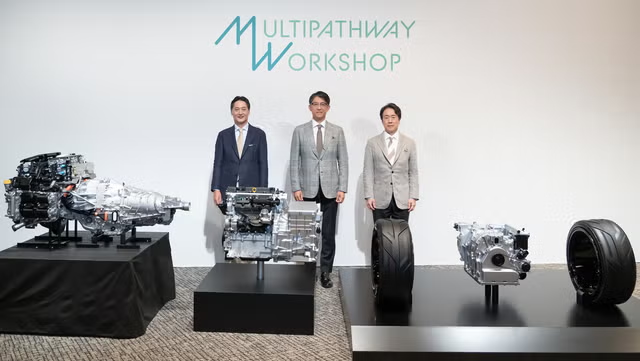
Toyota, Mazda, and Subaru Are Betting On The Development Of New Combustion Engines Amid The Growing Trend Of Total Electrification In The Automotive Industry.
The New Generation Of Propulsion Systems Promises To Combine Efficiency, Sustainability, And Flexibility, Offering An Alternative That May Be More Viable For Many Global Markets Than 100% Electric Vehicles.
This Strategy Emerges At A Time When Complete Electrification Faces Significant Challenges, Such As The Scarcity Of Raw Materials For Batteries, High Costs, And Limitations In Charging Infrastructure.
-
China returned almost 20 Brazilian ships with soybeans and is now back to buying from the USA, but stocks above 9 million tons raise suspicions of a political move, not a commercial necessity.

-
Japan will have a bullet train that levitates at 500 km/h and will cross 90% of the route through tunnels; the project promises trips in just 67 minutes but faces billion-dollar challenges and unprecedented environmental obstacles.
-
Few people know, but the smallest city in Rio holds a tunnel that was once the largest in the world, covering only 95.35 km², housing a railway work of 2,233 meters, and is also known for the historic title of the 4th best climate in the world.
-
A ‘hanging’ road in SP with viaducts over 80 meters, 11 tunnels, 20 suspension bridges, and pillars fixed at a depth of 40 meters has been challenging the Serra do Mar for almost 50 years and still impresses engineers.


The New Engines Will Be Designed To Operate With Renewable Fuels And In Hybrid Systems, Allowing Automakers To Reduce Emissions Without Sacrificing Range And Practicality.
A Pragmatic Look At Total Electrification
Until Recently, The Idea Of Investing In Combustion Engines Seemed Obsolete To Many Automakers, Given The Advancement Of Electric Cars.
However, As Roberto Braun, Communication Director Of Toyota Brazil Points Out, “It Is Crucial To Consider The Needs Of Consumers And The Available Infrastructure In Each Region, Exploring Solutions That Combine Electrification And Combustion Engines.”
This Hybrid Approach Emerges As A Balanced Solution, Especially For Countries With Challenges In Electrical Supply And Few Fast Charging Points.
In Addition, Hybrids Eliminate Exclusive Dependence On Electricity, Allowing The Vehicle To Function Normally Even When There Is No Available Battery.
Toyota Invests In Compact And Multifunctional Engines
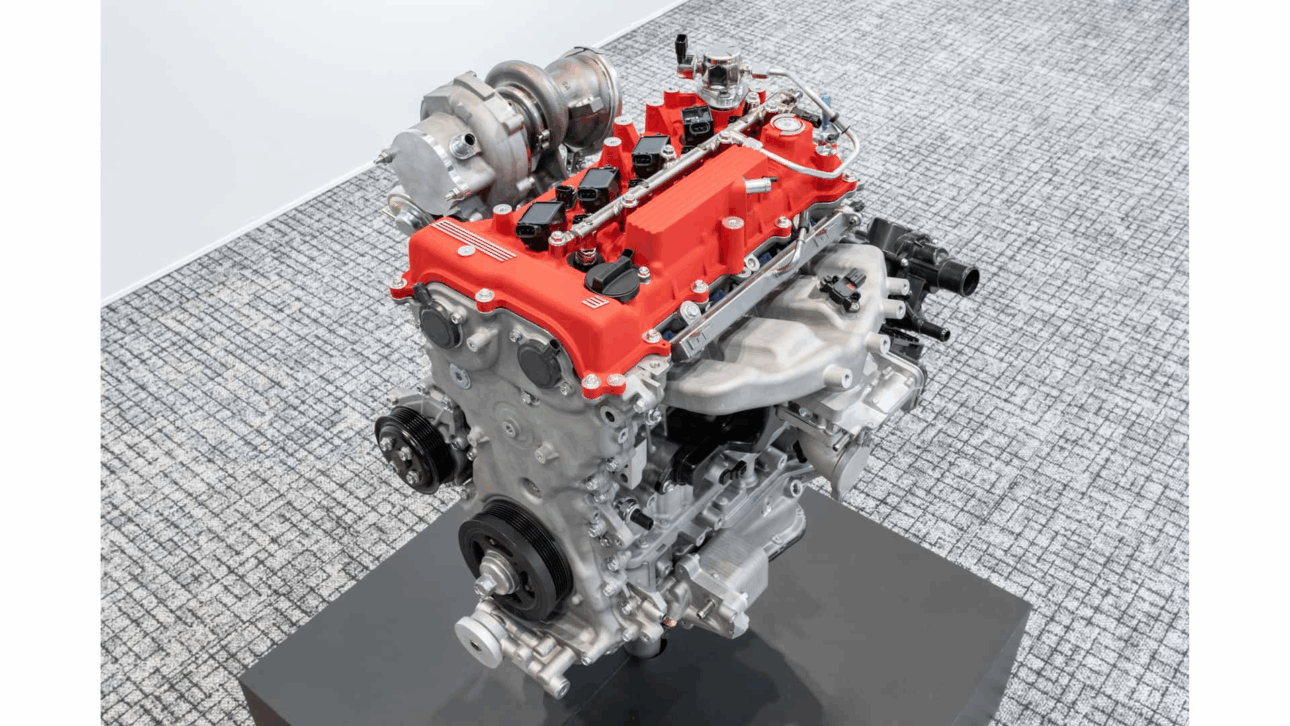
Toyota Is Developing Four-Cylinder Engines, Both Naturally Aspirated And Turbocharged, That Are Up To 20% Smaller And Lighter Than Current Models.
These New Propulsion Systems Stand Out For Their Improved Thermal Efficiency, Thanks To Innovations Such As Controlled Compression Combustion.
The Flexibility To Use Various Types Of Fuel, Including Gasoline, Ethanol, Hydrogen, And E-Fuels, Is One Of The Main Advantages Of These Engines, Which Fit Perfectly With Toyota’s Vision Of Sustainable And Diverse Mobility.
The Company Is Also Investing In Technologies To Reduce Emissions Not Only During Use But Throughout The Vehicle’s Entire Life Cycle, Aiming For Carbon Neutrality In Production.
Mazda Resumes The Rotary Engine With A Focus On Sustainability
Mazda Is Betting On The Return Of The Wankel Rotary Engine, Which Has A Compact Design And Is Known For Its Smooth Operation.
This Engine Will Be Adapted To Be Used Alongside Hybrid Systems And To Operate With Innovative Biofuels, Such As Those Derived From Seaweed.
The Choice For The Rotary Engine Is Strategic, As It Can Function As An Efficient Generator For Electric Vehicles, Extending The Range And Reducing The Need For Frequent Charges.
In Addition, Mazda Is Investing In Research To Increase The Durability And Efficiency Of This Type Of Engine, Which Has Historically Faced Challenges In This Aspect.
Subaru Maintains The Boxer And Expands Hybrid Range
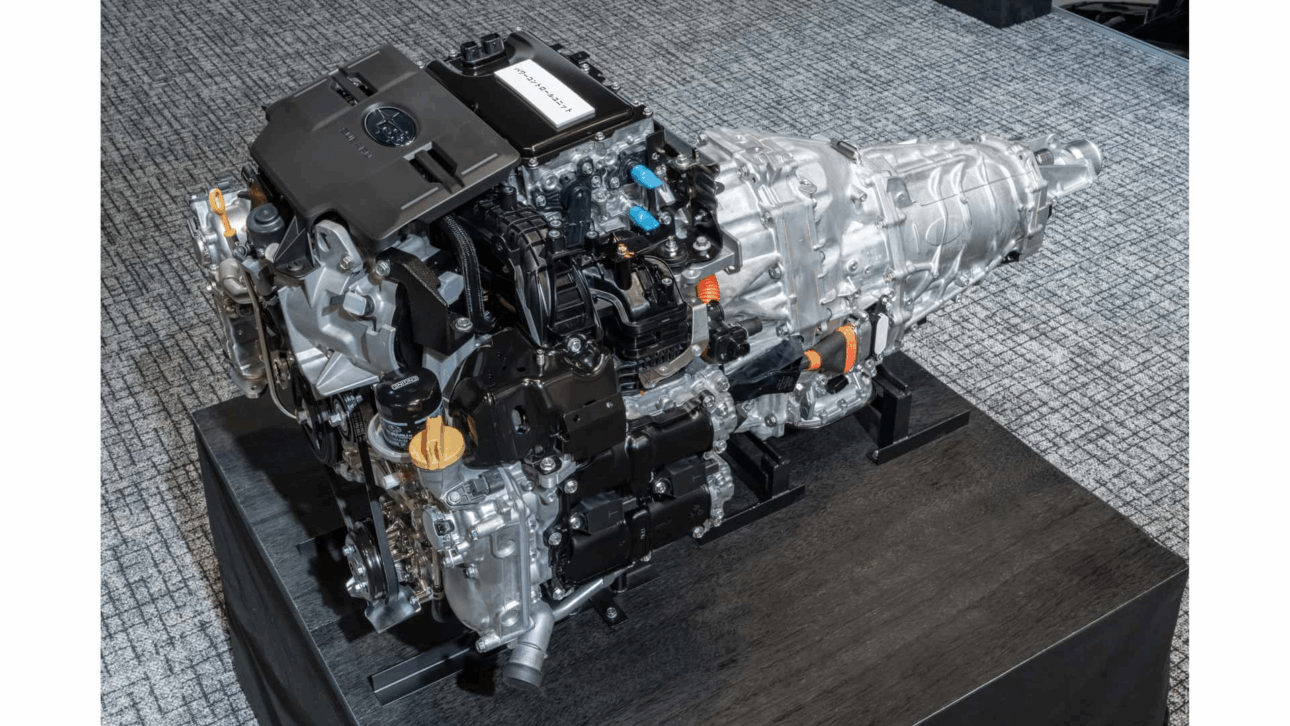
Subaru Remains Faithful To Its Traditional Boxer Engine, Now In A 2.5-Liter Version Integrated With A Hybrid System Featuring Two Electric Motors.
This Combination Allows For An Estimated Range Of Up To 1,000 Km, An Important Differentiator For Consumers Seeking Versatility And Economy.
The Boxer Engine, With Its Horizontally Disposed Cylinders, Contributes To The Vehicle’s Balance, Improving Stability And Comfort While Driving.
In Addition, The Hybrid System Allows For Operation In Fully Electric Mode Over Short Distances, Reducing Environmental Impact And Fuel Consumption.
The Economic And Environmental Viability Of Hybrids
According To Recent Data From 2025, The Average Cost Of Batteries For Electric Vehicles Has Decreased, But Still Represents A Significant Portion Of The Final Price Of Automobiles.
Moreover, The Infrastructure For Fast Charging Is Still Insufficient In Many Regions, Particularly In Emerging Countries.
This Reality Makes Hybrids An Attractive Alternative For Many Consumers, As They Offer A Balance Between Range, Practicality, And A Lower Environmental Impact.
Additionally, Hybrids Can Be Fueled With Renewable Fuels, Such As Ethanol And Hydrogen, Which Have The Potential To Further Reduce Carbon Emissions.
Impacts For The Industry And For The Consumer
The Bet On Combining Combustion Engines And Electrification May Preserve Jobs In The Traditional Automotive Industry, As Well As Sustain The Production Chain Of Components Related To Thermal Engines.
This Is Especially Relevant In Regions Where The Transition To Fully Electric Vehicles May Be Slower.
For The Consumer, This Strategy May Mean Greater Diversity Of Models, More Affordable Prices, And A Gradual Transition To Cleaner And More Efficient Technologies.
The Future Of Combustion Engines And Hybrid Electrification
Although Total Electrification Continues To Advance, The New Combustion Engines Developed By Toyota, Mazda, And Subaru Indicate That The Coexistence Of Technologies May Be The Most Realistic Path For The Coming Years.
This Technological Diversification Allows The Automotive Industry To Meet Different Market Demands, Geographic And Economic Conditions, Ensuring That Sustainable Mobility Is Not Restricted Only To Countries With Advanced Infrastructure.
After All, Which Technology Do You Believe Will Dominate The Streets In The Next 10 Years: Hybrid Combustion Engines Or 100% Electric Vehicles? Leave Your Opinion In The Comments!


