






 Portuguese
  Spanish
  3 min of reading
  0 comments


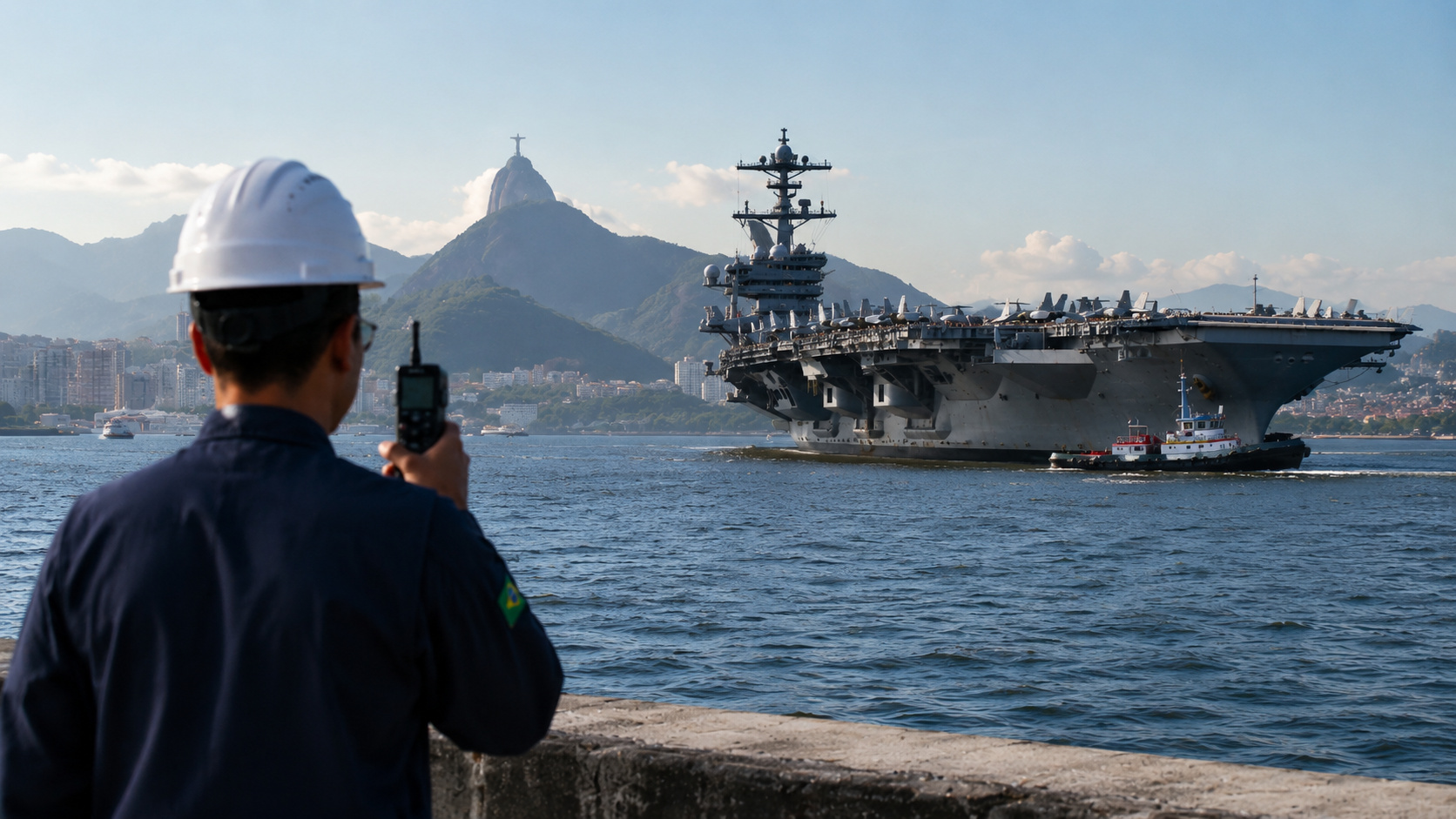
Operation with air measurements, water collection, marine soil analysis, and continuous monitoring reinforces Brazilian nuclear safety, radiological protection, and environmental preservation protocols during the passage of the aircraft carrier USS Nimitz through Guanabara Bay, in Rio de Janeiro
The passage of the American aircraft carrier USS Nimitz through Guanabara Bay, in Rio de Janeiro, mobilized a technical radiological monitoring operation conducted by the Brazilian Navy.
The action was monitored by the Naval Secretariat for Nuclear Safety and Quality, the body responsible for naval nuclear regulation and inspection in the country.
Furthermore, the work was carried out in partnership with the Institute of Radiation Protection and Dosimetry, linked to the National Nuclear Safety Authority.
-
Ukraine launches largest drone attack on Moscow since 2022, Russia claims to have intercepted nearly 200 aircraft near the capital, Kapotnya refinery targeted again, and offensive reignites alert about war reaching the Russian energy heart just a few kilometers from the Kremlin.

-
Truck drivers, freight, and fines from 2022 take center stage in politics: Chamber approves MP with amnesty, mandatory tracking by CIOT, million-dollar penalties, and new minimum wage for those who spend more than 24 hours on the road.

-
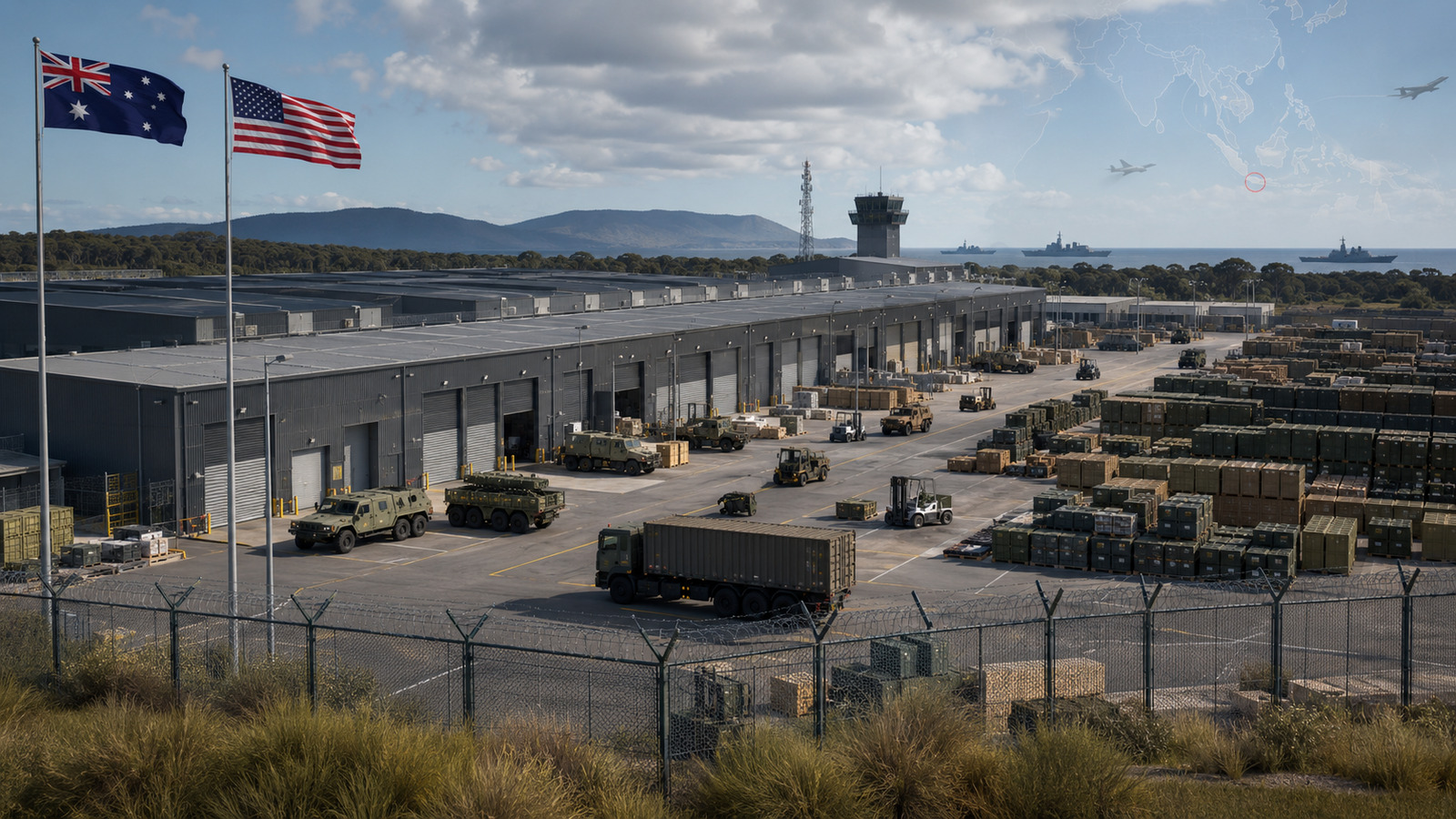
China off the radar: US plans mega $30 million weapons depot in Australia, out of reach of most Chinese missiles, with full capacity expected by 2028

-
Trump’s wall advances at a rapid pace: government promises to complete a barrier of over 3,000 km by 2027 while drones and cartels turn the US border into a new field of technological dispute



The operation aimed to ensure public safety, radiological protection, and environmental preservation during the ship’s stay in Brazilian jurisdictional waters.


Technical monitoring began before anchoring
According to the Brazilian Navy, the monitoring process began even before the USS Nimitz anchored in Guanabara Bay.
Also, activities are expected to continue until one day after the vessel’s departure from the site.

During the operation, specialized teams carried out air dose rate measurements at strategic points.
Furthermore, environmental samples of surface water and seabed soil were collected.
These points included areas of crew circulation, embarkation, and disembarkation, where continuous monitoring of radiological conditions took place.

Military and civil institutions worked together
Sample collection was carried out by the 2nd Nuclear, Biological, Chemical, and Radiological Protection and Defense Battalion of the Marine Corps.
Laboratory analysis, meanwhile, was the responsibility of the Institute of Radiation Protection and Dosimetry.

Thus, the operation brought together military and civil structures in an integrated action of control, inspection, and security.
According to Corvette Captain Marcos William Magalhães Leiras de Carvalho, head of the Radiological Protection Department at SecNSNQ, the activities followed the protocols defined by the agency.
For him, this set of collections is essential to confirm that the environment remains safe.
Nuclear safety was the focus of the operation
In addition to environmental monitoring, the visit of the USS Nimitz also allowed demonstrating how the Brazilian control system for vessels with onboard nuclear reactors works.
Therefore, the action strengthened the national response capability in events involving nuclear-powered naval assets.
The operation also highlighted the importance of coordination between defense, science, and environmental protection.
In this context, the work of the Navy, SecNSNQ, IRD, and ANSN demonstrated Brazil’s technical preparedness for situations of high technological complexity.
Guanabara Bay received continuous monitoring
While the aircraft carrier remained in the region, the teams continuously monitored radiological conditions in previously defined areas.
Samples collected from the water and seabed will still be sent for laboratory analysis.
Nevertheless, the operation has already reinforced the application of Brazilian naval nuclear safety protocols.
Thus, the passage of the USS Nimitz through Guanabara Bay was not just a military visit.
It also showed how Brazil tracks, inspects, and monitors large vessels with onboard nuclear technology.
Ultimately, in a scenario of increasingly advanced vessels, how should Brazil expand its nuclear and environmental safety protocols?


Be the first to react!