Portuguese
  Spanish




Sebrae Rio Boosts Small Businesses Towards Sustainability
In the current scenario, where sustainability is increasingly becoming a fundamental pillar for economic development, Brazil stands out for hosting 10% of the green jobs globally. This segment, which encompasses jobs aimed at preserving or restoring the environment, is expanding, especially in the energy sector. Aiming to empower entrepreneurs to navigate this promising market, Sebrae Rio developed a practical guide that clarifies how to efficiently and economically integrate sustainability into business strategies.
Brazil: A Powerhouse in Green Jobs
The country positions itself as a leader in generating green jobs, especially in the energy sector, with highlights on the biofuels, solar, hydropower, and wind industries. This leadership reflects not only Brazil’s energy potential but also its commitment to sustainable development. Projections indicate that by 2030, renewable energies are expected to generate over 38 million jobs worldwide, reinforcing the importance of this sector for the global economy and environmental preservation.
Strategic Guidance for Small Businesses
Margareth Carvalho, from Sebrae Rio, emphasizes the pioneering role of Rio de Janeiro in environmental debate and raising awareness about sustainability. The material developed by Sebrae Rio aims to provide small entrepreneurs with a roadmap for implementing sustainable practices in their operations without necessarily increasing costs. The goal is to encourage the adoption of business models that are not only environmentally responsible but also economically viable.
-
Fired during apartheid and with a little borrowed money, an electrician started with a borrowed truck and transformed electrical services into a group connected to energy, real estate, and infrastructure in South Africa.

-
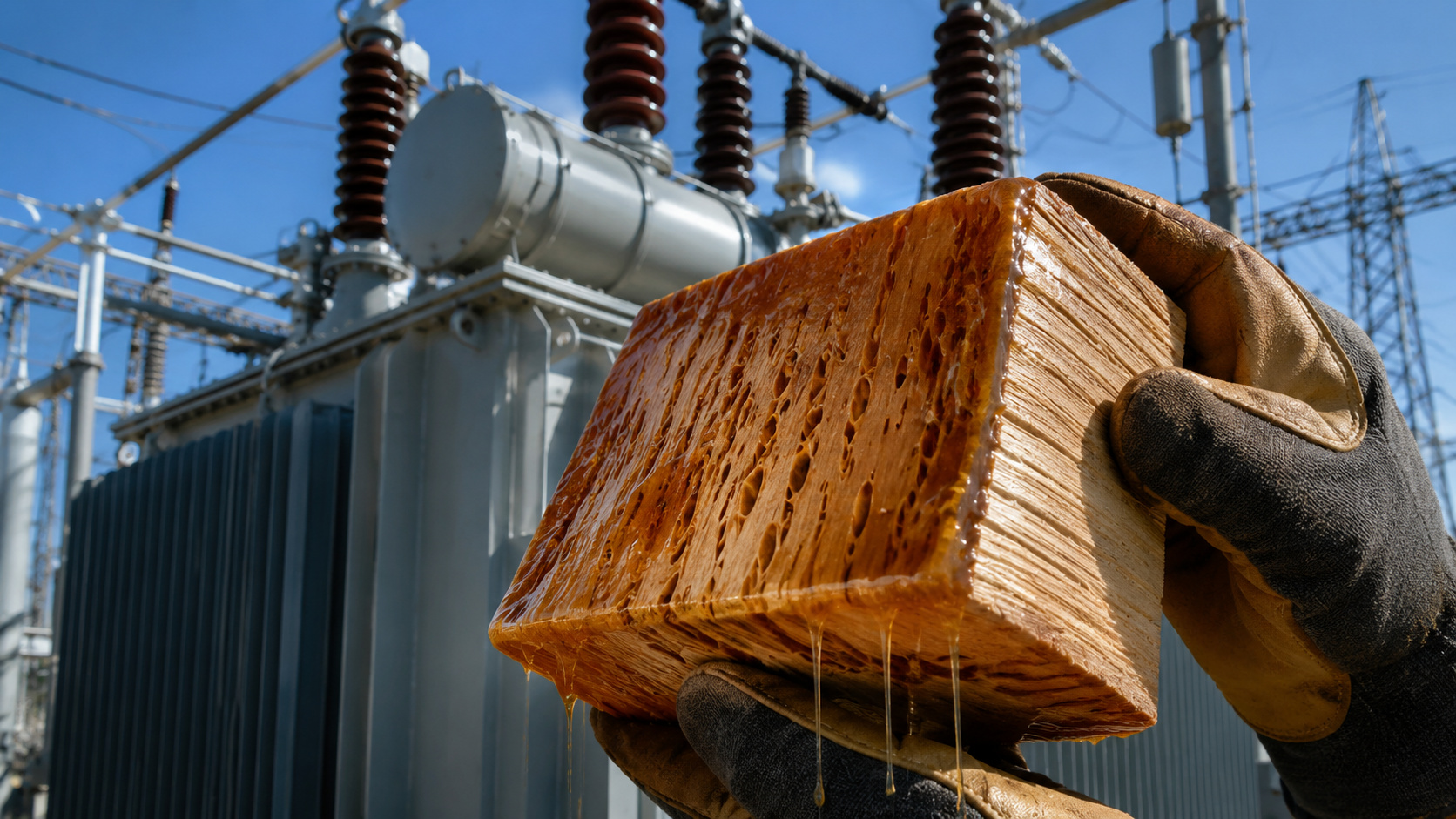
Wood has ceased to be just a construction material in Yale research and has become insulation for electrical transformers that face intense heat, aging, and increasing pressure from the renewable energy-powered grid.
-
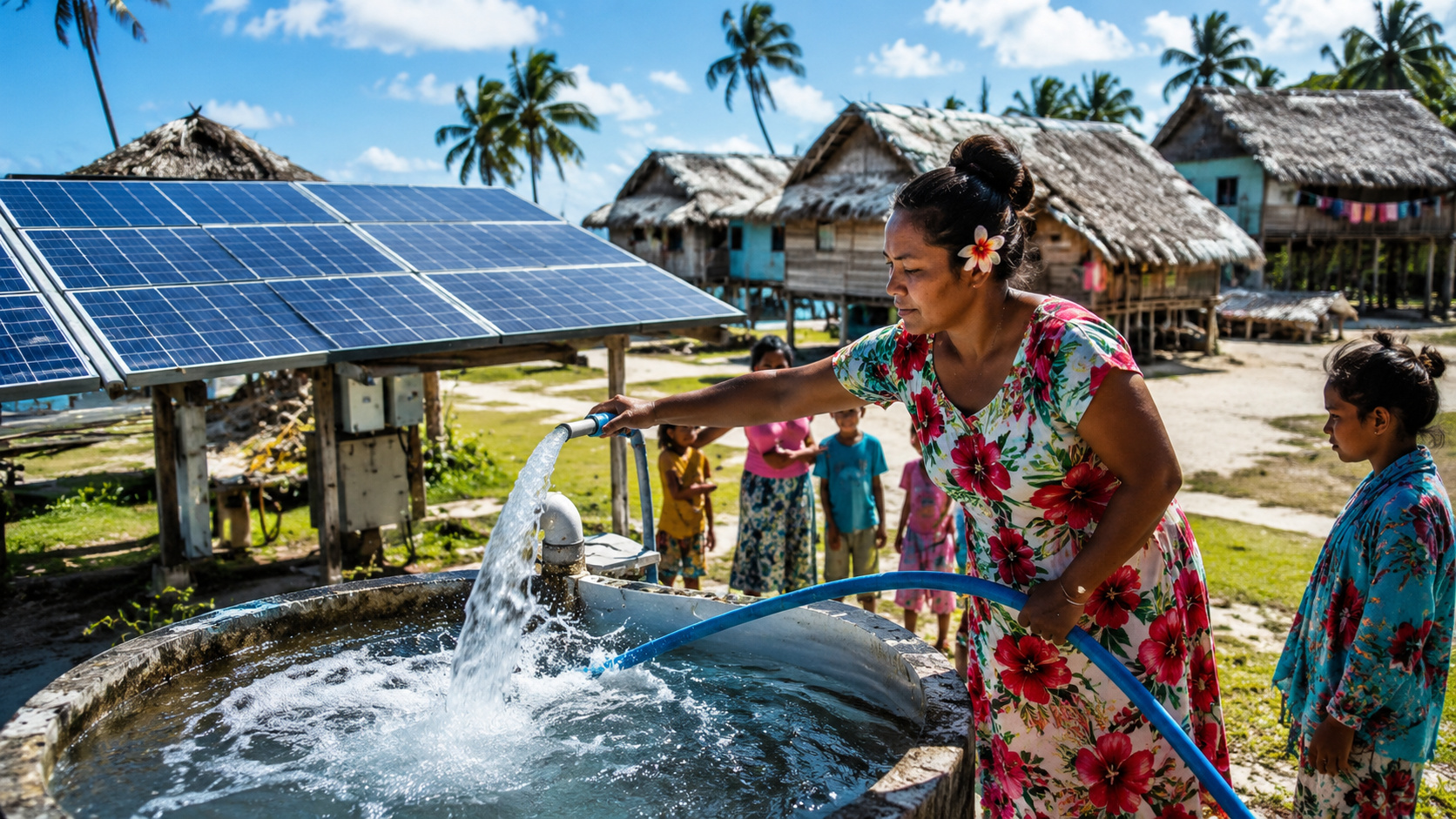
More than 1,000 residents of a remote island in Kiribati now have clean water and electricity with solar systems operated by the community itself.
-
They exchanged the idea of a large house for a 35 m² warehouse, spent US$ 12,000 on the structure, and created a tiny house in Colorado with space to live and work.


Steps Towards Corporate Sustainability
To qualify in the realm of green jobs and ESG (Environmental, Social, and Governance) practices, it is crucial for entrepreneurs to establish clear objectives, adopt sustainable organizational policies, develop dedicated plans and budgets, and seek relevant certifications. Additionally, it is essential to monitor and disclose the company’s performance concerning the established goals to ensure transparency and continued engagement with sustainable practices.
The challenge also extends to public management, which has a significant role in promoting sustainable actions and positive social impact. The adoption of green practices by public agencies can serve as a model for the private sector, as well as contribute to achieving sustainable development goals at both national and global levels.
In summary, Brazil is at the forefront of creating green jobs, reflecting a growing commitment to sustainability. The Sebrae Rio guide represents a valuable tool for small businesses seeking to align with this trend, offering a pathway for the effective integration of environmentally responsible practices into their business strategies. As we move forward, the synergy between sustainability and economic development becomes increasingly inseparable, opening new opportunities for entrepreneurs committed to the planet’s future.
Source: RJ-SEBRAE-Imprensa.