






 Portuguese
  Spanish


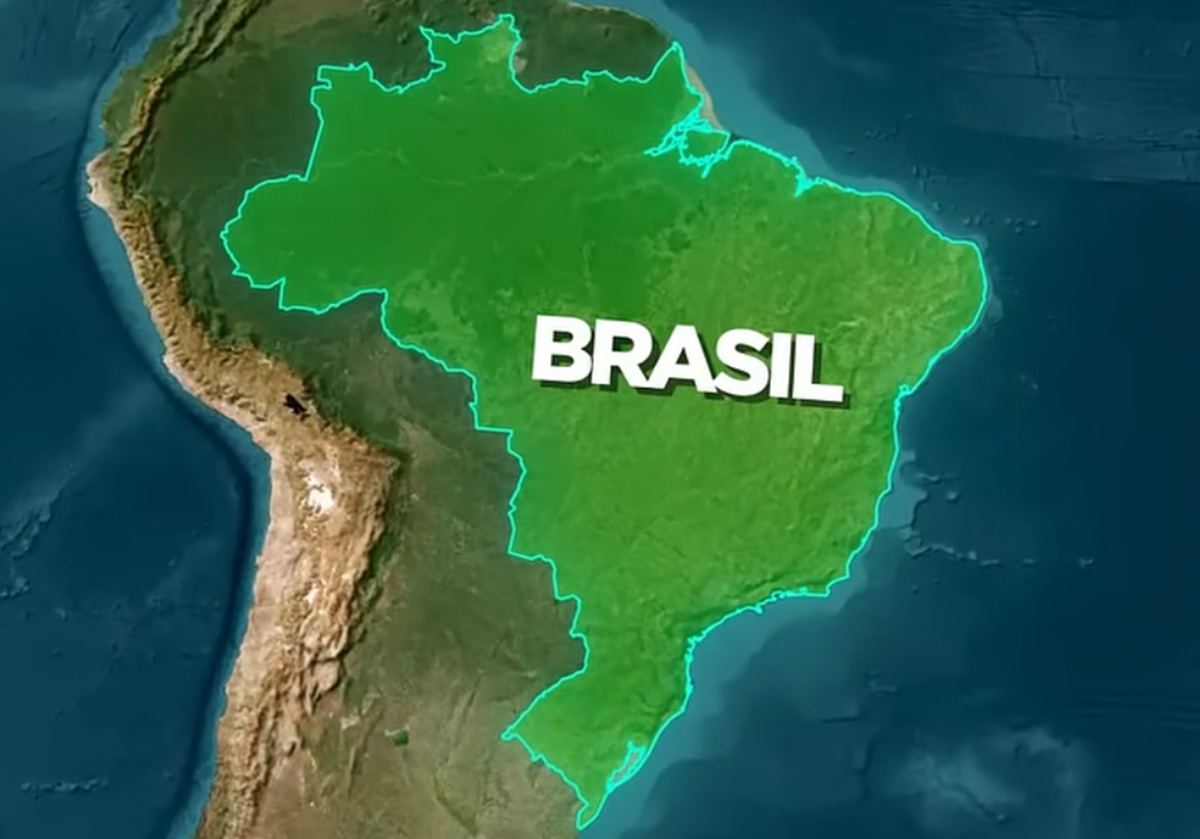

The Geography of Brazil Reveals Impressive Curiosities That Go Unnoticed. From Surprising Distances to Rare Geological Features, the Brazilian Territory Draws Attention Even Among the Largest Countries in the World.
The geography of Brazil holds some curiosities that few know about. One of them involves the distance between the extremes of the national territory. The northernmost point of Brazil, in the state of Roraima, is closer to Canada than to the southern part of the country, in terms of a straight line.
The Brazilian Northeast Is Closer to Africa Than to the South
Another curious fact involves the Northeast. The capital João Pessoa, in Paraíba, is closer to the African continent than to the Southern region of Brazil.
The distance to Guinea-Bissau, in West Africa, is about 2,900 km. Meanwhile, the journey from João Pessoa to Porto Alegre, in Rio Grande do Sul, exceeds 3,000 km.
-
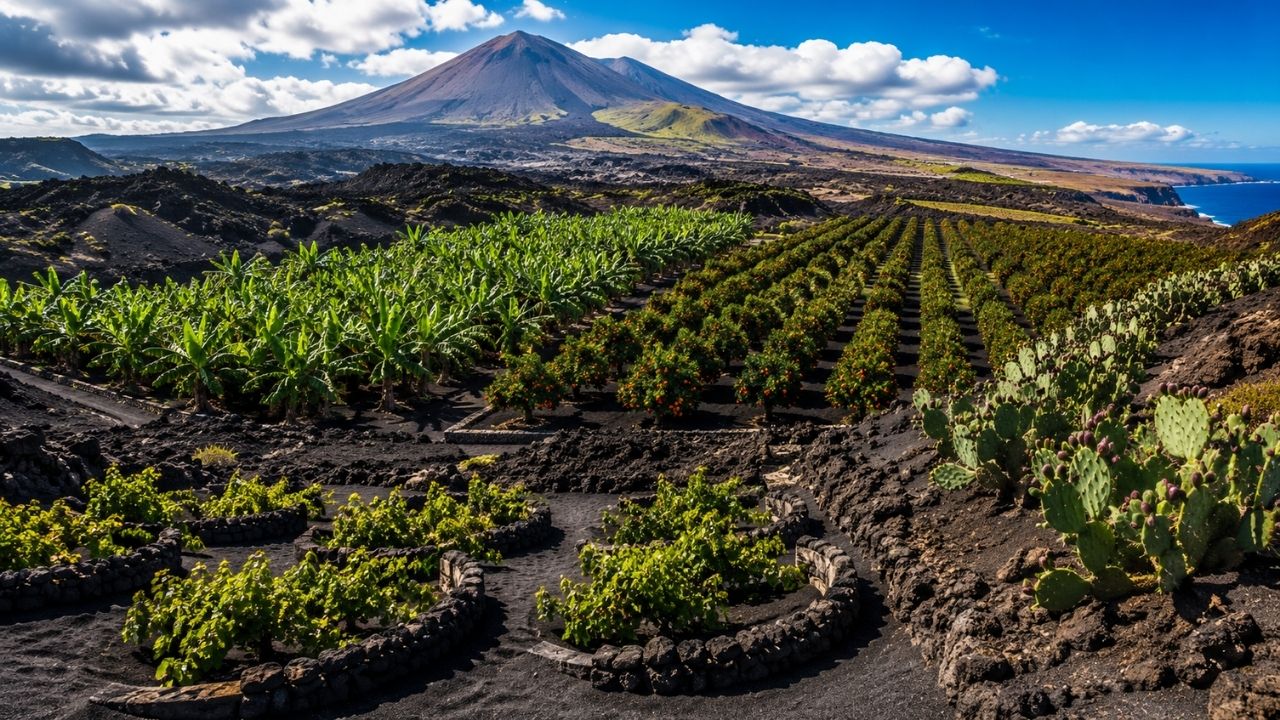
Volcanic Soils from Destructive Eruptions Turn into Million-Dollar Crops: Ashes Nourish Grapes in Lanzarote, Bananas in the Canary Islands, Blood Oranges on Mount Etna, and Cacti in Mexico, Showcasing How Lava-Formed Lands Sustain Rare Harvests in Seemingly Barren Regions

-
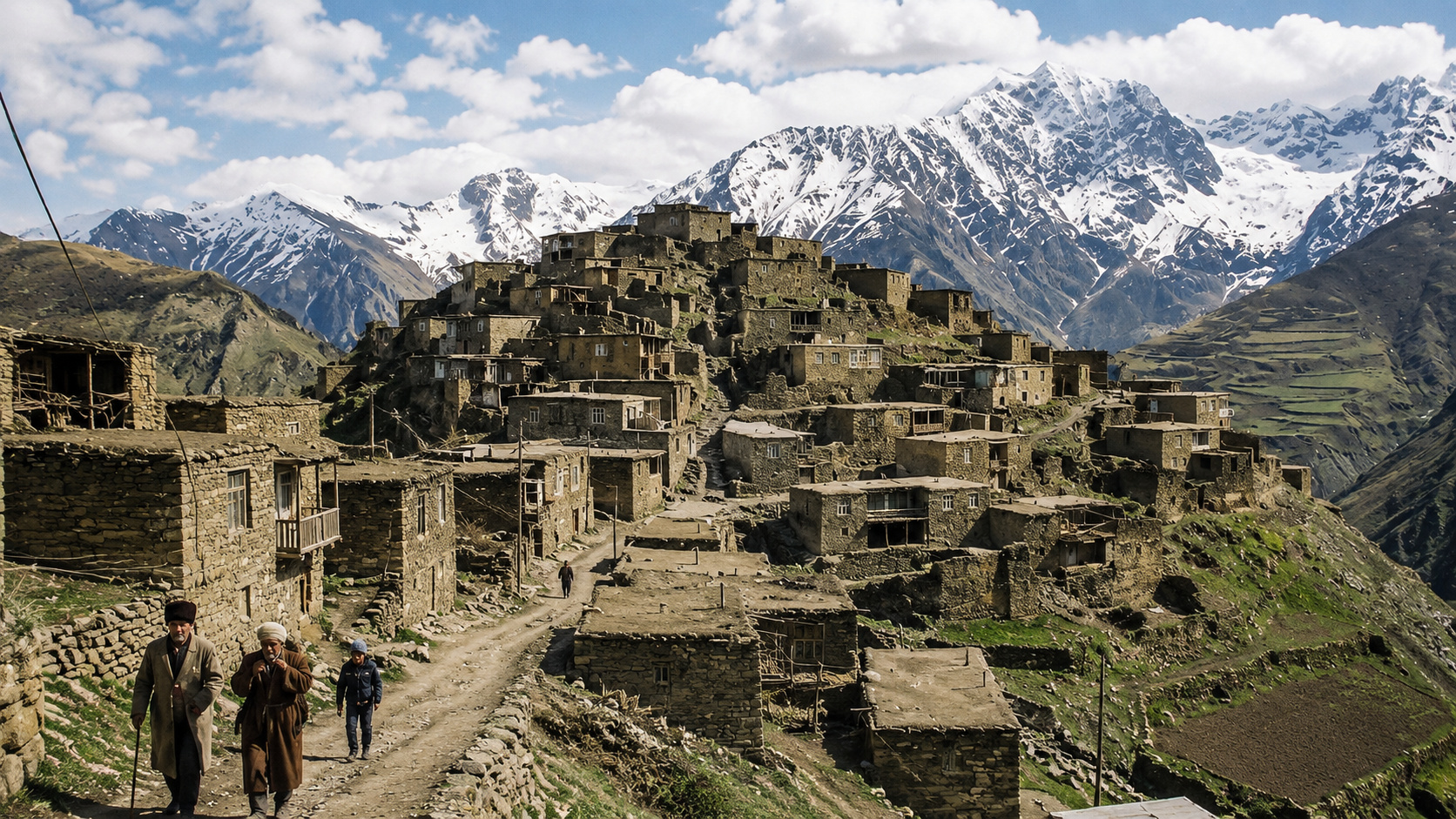
In the Caucasus Mountains, a Community Preserves a Language So Rare Few Outsiders Can Understand It

-
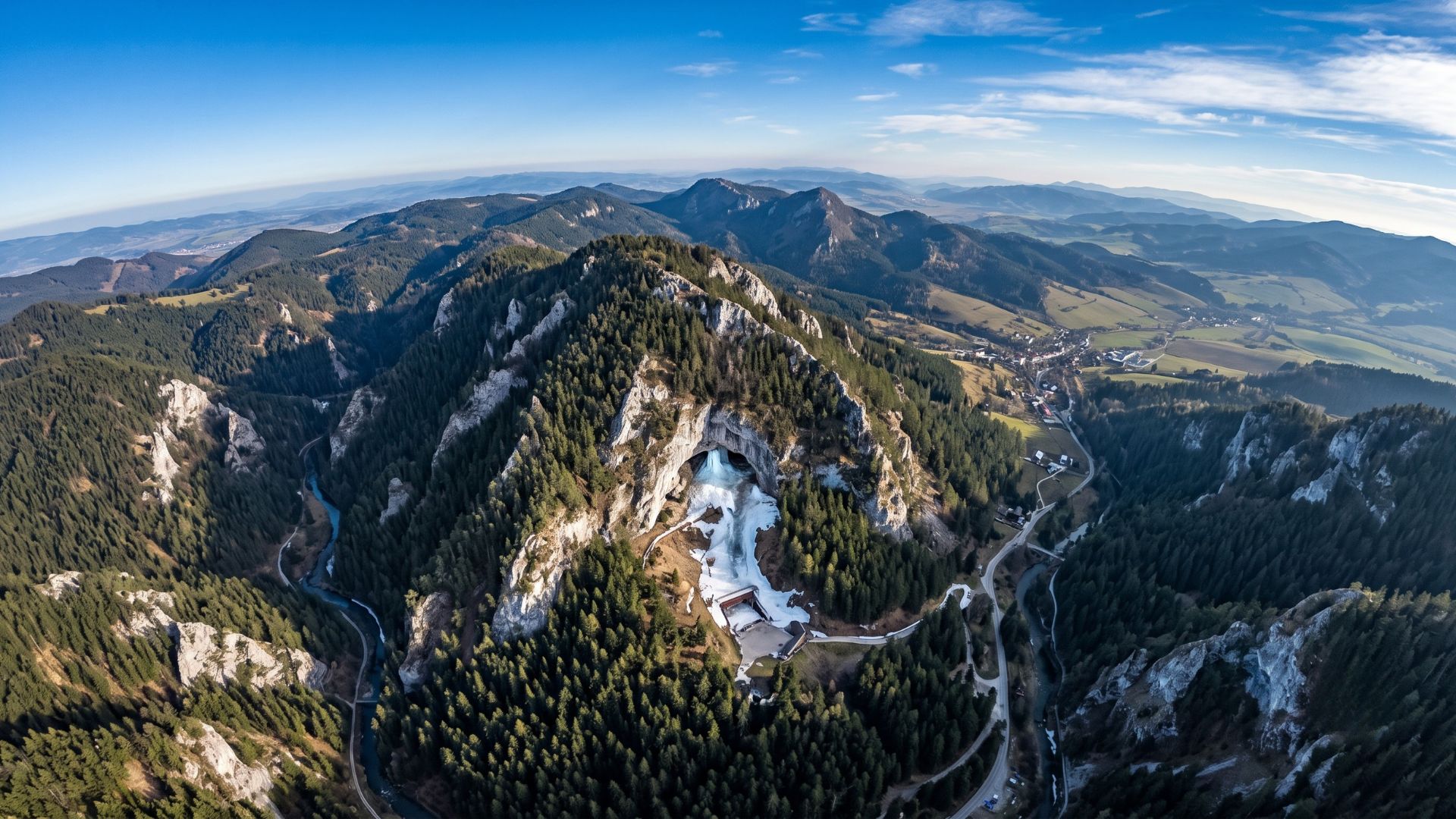
Slovakia’s Ice Cave Holds Over 110,000 m³ of Frozen Wonders, Boasts Walls Up to 27 Meters Thick, and Was Among the First Electrified Caves Globally

-
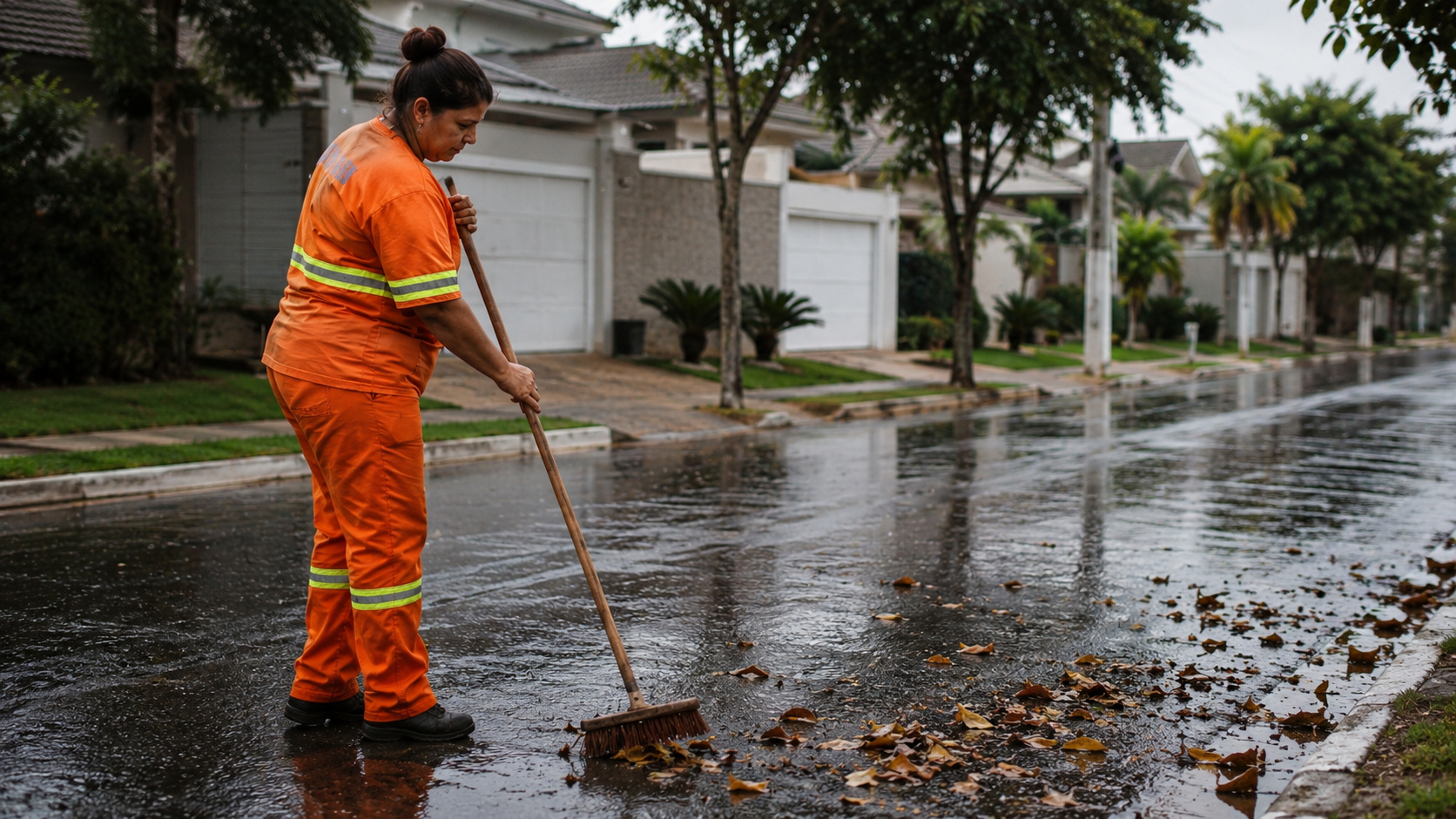
Street Cleaner Accidentally Receives $200,000 Transfer, Returns Unexpected Fortune to Rightful Owner
Brazil Occupies Nearly Half of South America
With a territory of approximately 8.5 million square kilometers, Brazil represents almost half of the total area of South America, which has about 18 million square kilometers.
This reinforces the impressive size of the country, which is the largest in Latin America and the fifth largest in the world.
Among the Largest Countries, Brazil Is Outside Tectonic Fault Zones
Despite all this extension, Brazil is not located over tectonic faults. This is considered rare.
Among the 10 largest countries on the planet, only Brazil, Australia, and Kazakhstan are outside these geologically unstable zones.
More Than 400 km Away From Any Tectonic Plate Boundary
Among these three countries, Brazil and Kazakhstan stand out even more.
Both are located more than 400 kilometers from any tectonic plate boundary. This distance provides an important advantage: a lower risk of earthquakes and more severe seismic activities.


