





 Portuguese
  English
  Spanish
  3 min of reading
  0 comments



After a Uneven First Half Marked by Uneven Sales, Constant Entry of New Brands, Political Instability, and Delays in Launches, Volkswagen’s Commercial Vehicles Division Closed 2025 with Almost 25% of the European Market for Electrics, Reinforced Its Bet on Electromobility, and Projected 2026 as One of the Strongest Years, Even in the Face of Subsidy Cuts, Tariffs in the United States, and Strategic Adjustments to the Sales Model.
Volkswagen Ended 2025 with Strong Performance in Electric Vehicle Sales, Including Its Utility Division, and Projects 2026 as One of the Best Years, Keeping Focus on Electromobility Despite Political Volatility, New Competitors, and Regulatory Changes in Key Markets.
Uneven Performance in 2025 and Expectations for 2026
In a Recent Interview with Automobilwoche, the CEO of Volkswagen Commercial Vehicles, Stefan Mecha, Stated that 2025 Presented an Uneven First Half Influenced by Launch Delays, Political Instability, and Continuous Entry of New Brands into the European Market.
Despite Initial Difficulties, Mecha Indicated that the Expectation for 2026 is Positive, with Projections for Strong Annual Performance.
-
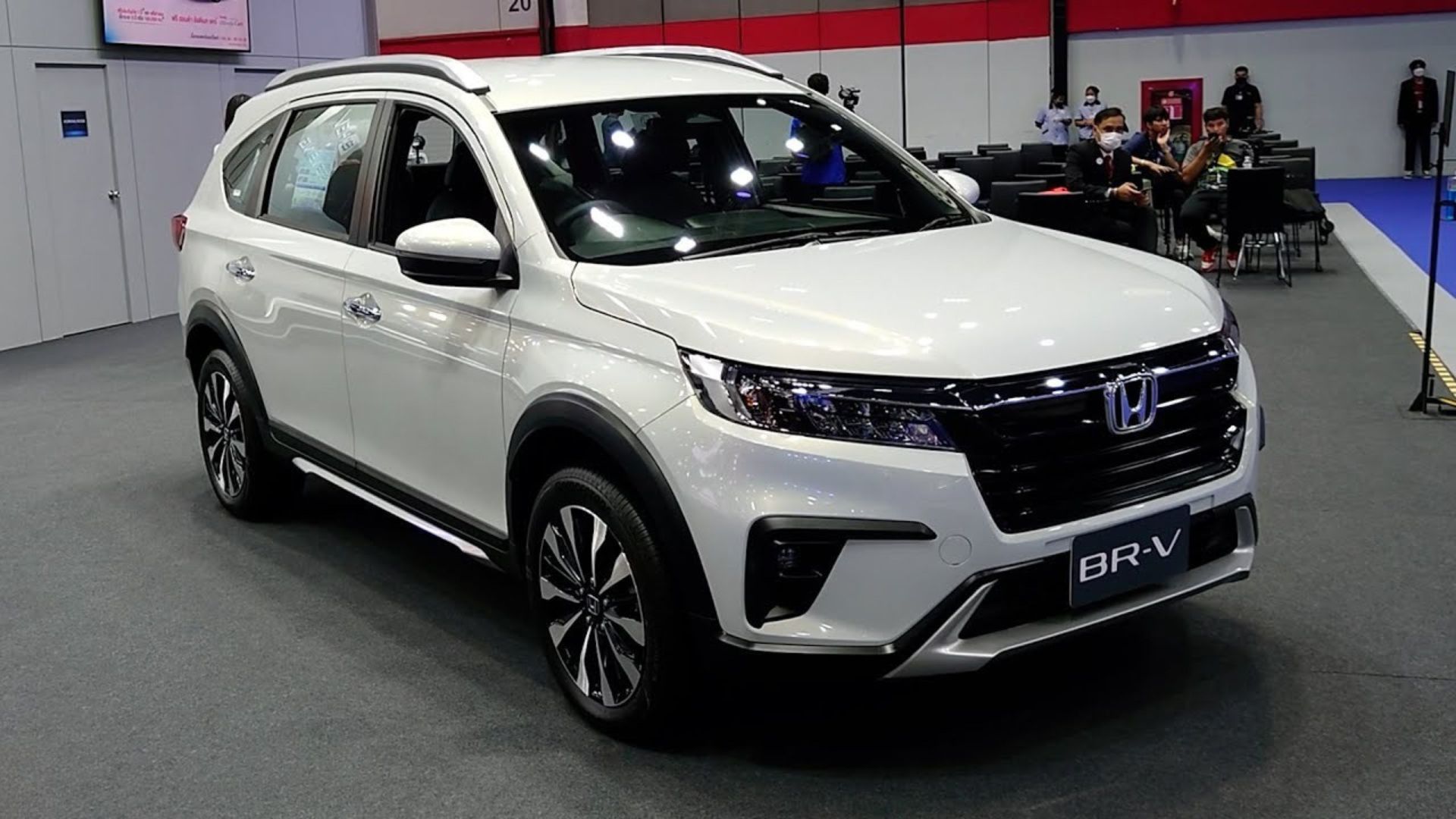
While Brazil was left without an affordable 7-seater Honda, Indonesia sells the 2026 BR-V with a 1.5 i-VTEC engine of 121 hp, Honda Sensing, three rows, fuel consumption above 23 km/l, and a range of 987 km; the family SUV costs less than the Spin, Aircross, and Tiggo 8 Pro when converted without taxes.

-
Now NASA comes: Brazilian transforms pickups into “war tanks” in Goiânia by replacing wheels with giant tracks costing up to R$ 120,000 to tackle mud, farms, and impossible terrains.

-
Another Chinese giant prepares to enter Brazil: BAIC bets on the Arcfox T1, an electric hatchback that promises to compete with the BYD Dolphin, BYD Dolphin Mini, and Geely EX2 with a larger size and a range of up to 425 km.
-
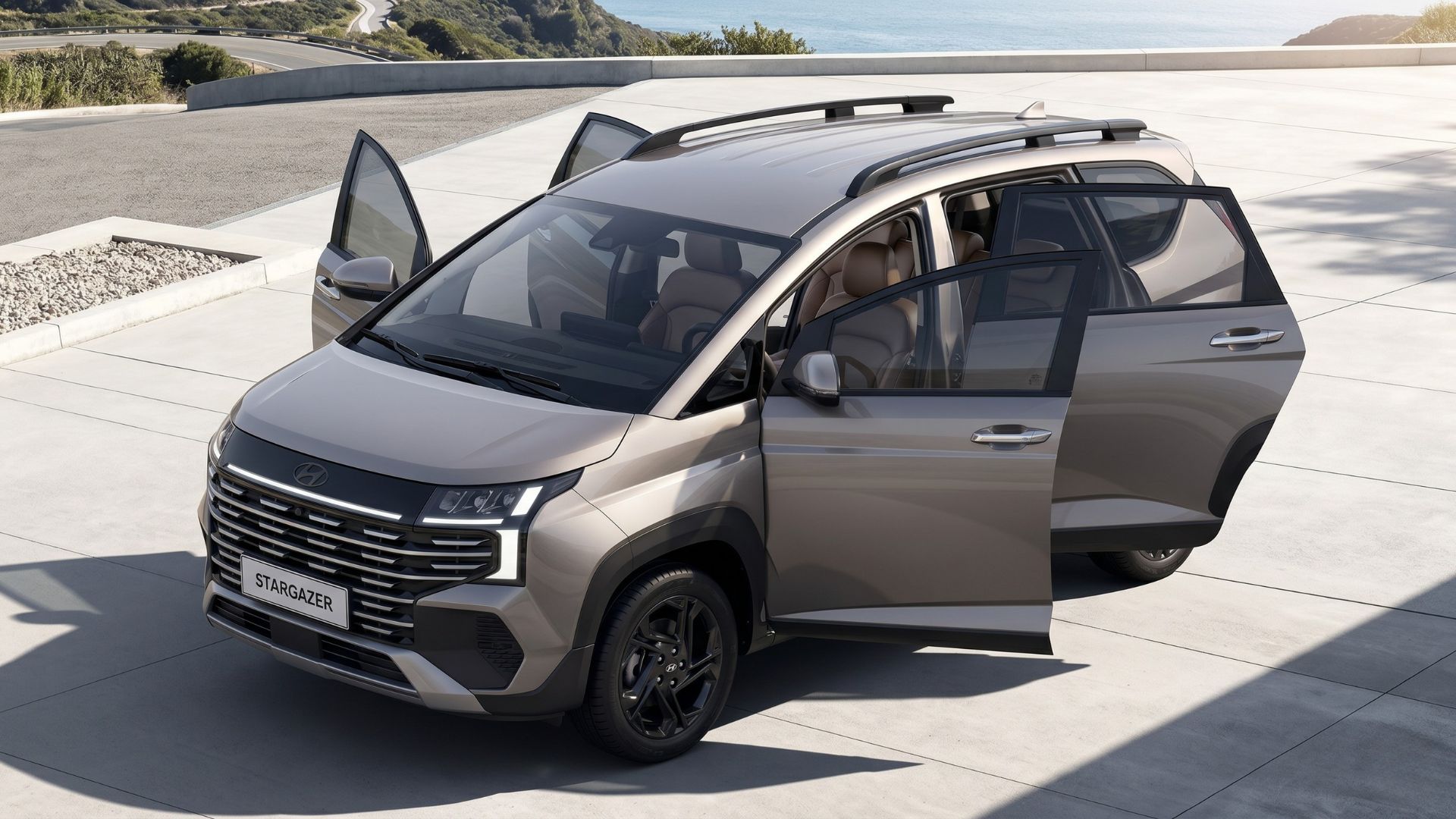
Hyundai launches a 7-seater ‘Kombi’ cheaper than Chevrolet Spin, Citroën Aircross, and Tiggo 8 Pro in Brazil; for around R$ 78,500 in conversion without taxes, the Hyundai Stargazer Cartenz features a 1.5 engine, manual or IVT transmission, 205 mm ground clearance, and the SmartSense package that Brazilians don’t have yet, but Indonesia does.


According to Him, the Combination of Electric Portfolio and Brand Positioning Supports Confidence, Even in the Face of a Global Environment that Still Does Not Guarantee Broad Market Growth.
Market Share and the Role of the ID. Buzz
The Executive Highlighted that the Division Achieved Nearly 25% Market Share in the European Fully Electric Vehicle Market. The Main Representative of this Result is the Electric Van ID. Buzz, Seen as a Symbol of the Brand’s Appeal in the Segment.
Mecha Emphasized that Sales Volume is Not the Only Relevant Indicator. Utilization of Production Capacity and Cost Structure Also Influence Results and Tend to Fall Below Expectations if the Global Market Does Not Advance, which Requires Continuous Planning and Execution Adjustments.
North American Market and Regulatory Changes
In Addition to Europe, the United States Remains Strategic for the Division. The ID. Buzz was Recently Launched in the Country and Received a Good Initial Reception, but the Scenario Changed Rapidly, According to the CEO.
The Elimination of Subsidies, the Inflation Reduction Act, the Increase in Import Tariffs, and the Sharp Decline in the Electric Market Significantly Reduced Expectations. Mecha Stated that He Does Not Anticipate a Radical Change in This Situation in the Short Term, which Limits More Optimistic Projections.
Carbon Neutrality and Continuous Investments
Even with Challenges, the Division’s Vision Remains Aligned with Carbon Neutrality, a Goal that, According to Mecha, Can Only Be Achieved Through Electromobility. He Acknowledged that the Speed of Transformation Has Been Overestimated but Argued for Maintaining the Set Course.
The Executive Admitted that the Acceptance of the ID. Buzz Fell Below Expectations in Volume but Reiterated that, Combined with the Heritage of the Bulli, the Strategy Points Toward an Electric and Autonomous Future, with Investments Maintained to Generate Real Value for Private and Commercial Customers.
Dealerships and Sales Strategy
At the End of December, Volkswagen Announced the Abandonment of the Agency Model Project, Reinforcing the Role of Dealerships. At the Time, Martin Sander Stated that No Other Format Replaces These Points of Sale.
For the Commercial Vehicles Division, the Assessment is Similar. Mecha Stated that Dealerships Strengthen the Personal Connection with Customers, a Factor Considered Decisive for Commercial Success in the Electric Era, Even in an Environment of Accelerated Transformation and Persistent Uncertainties.








Be the first to react!