Portuguese
  Spanish


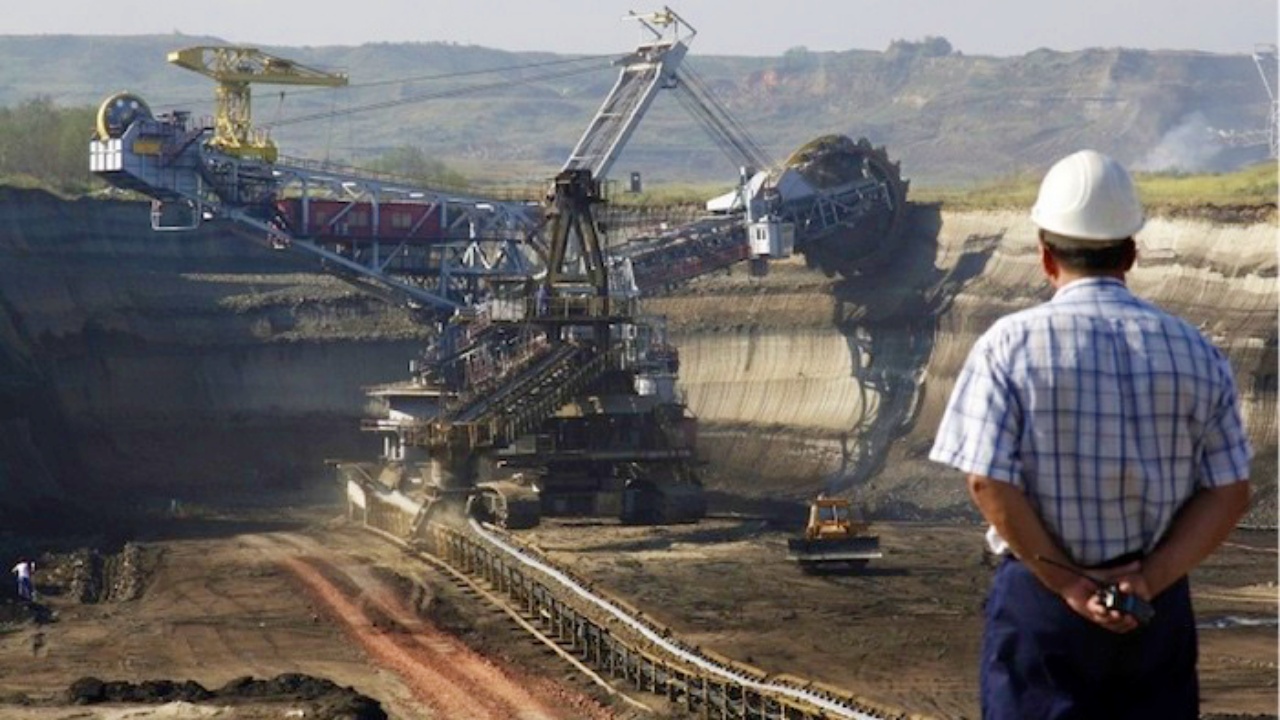

Demand For Essential Minerals, Such As Copper, Aluminum, Nickel, Among Others, Has Been Increasing, Mainly For Use In New Clean Energy Technologies.
According to data from the Brazilian Institute of Mining (Ibram), even amid the pandemic, Brazil closed the year 2021 with a growth, in tons, of about 7% in its mineral production compared to 2020, with export revenues of nearly US$ 49 billion and an 80% share in the trade balance, which was US$ 61 billion.
Furthermore, iron ore transport led Brazilian port activity in 2021, with almost double the volume of crude oil, according to data from the National Waterway Transportation Agency.
Ibram technicians also emphasize that the demand for essential minerals, such as copper, aluminum, nickel, among others, has been increasing, mainly for use in new clean energy technologies.
-
Eni Acquires 25% Stake in Chilean Lithium Project, Plans to Invest Up to $225 Million in Eco-Friendly Extraction Method

-
French Brand Transforms 6 Million Brazilian PET Bottles into Sustainable Sneakers for Global Fashion Market
-
Abandoned Factory in Rio’s North Zone Becomes Urban Hazard with Standing Water and Debris

-
The U.S. Navy Conducts Submarine Tests in Idaho Lake to Detect Underwater Noises Hidden by the Ocean
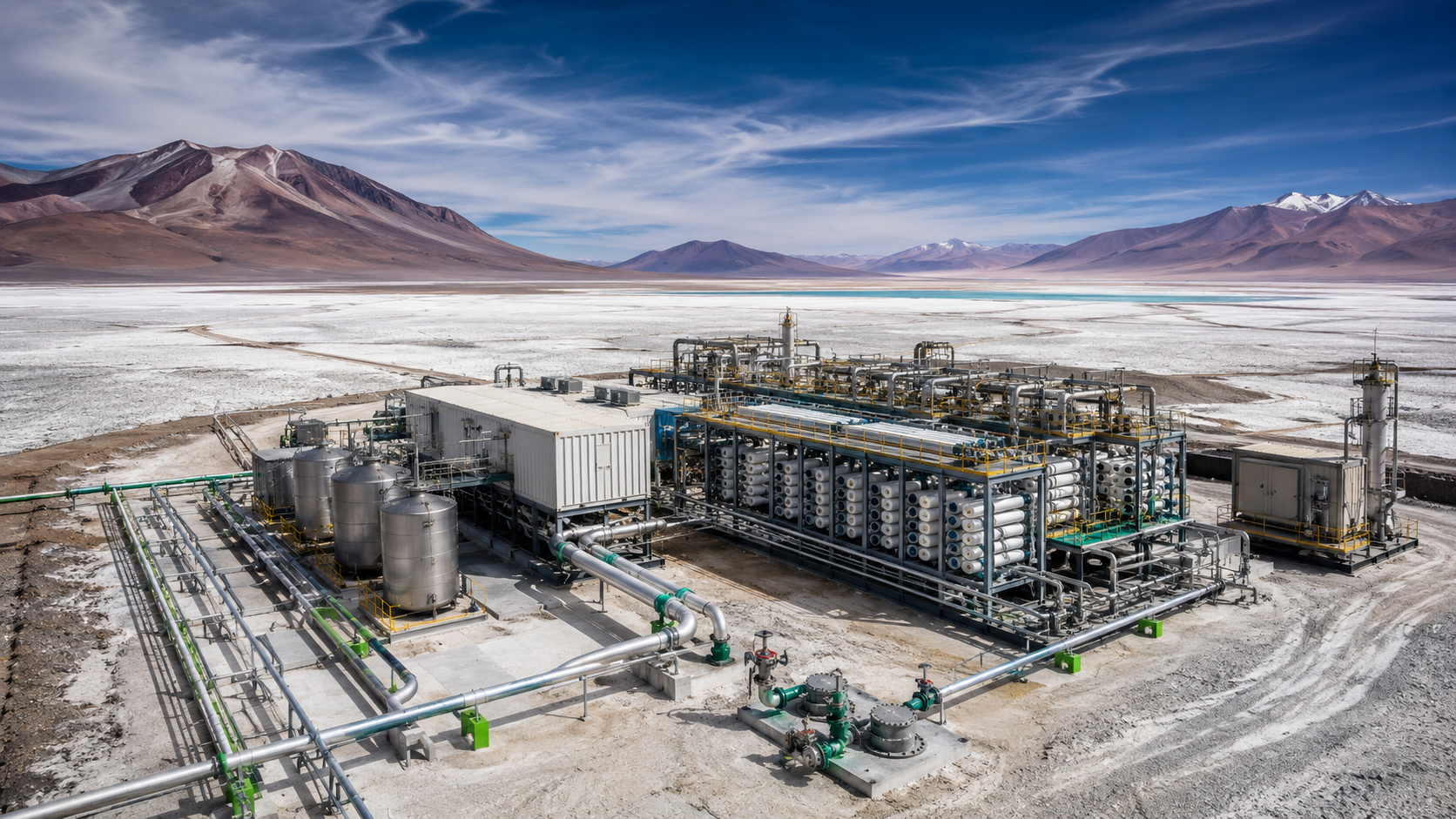


But, unfortunately, we often hear news of serious environmental impacts caused by mining activities that, in addition to affecting places, people, and animals, also significantly impact the financial health of many companies.
Automation: The Key To Gaining More Efficiency In Mining
The mining sector is at a turning point due to increasingly complex challenges, such as the volatility of mineral prices and the need to comply with environmental regulations. And automation is the key to gaining more efficiency and consolidating relationships with employees, communities, governments, and the environment at each stage of the value chain.
These challenges are a strong incentive to innovate. Various digital innovations are being implemented in many mining operations worldwide. They not only provide solutions for existing problems but also radically transform mining processes, increasing efficiency, profitability, and the ability to meet stricter regulations.
Conducted in remote environments, mining activity requires immense infrastructure to operate with productivity and efficiency, and innovative automated digital technologies help bring more agility and safety to these operations.
The Value Of Innovation
Automation solutions that increase energy efficiency, for example, help reduce consumption and, by monitoring machine performance, improve their efficiency and lifecycle.
Another example is that with the availability of monitoring resources for the lifespan of electric drives and condition monitoring of motors, it is possible to work in a predictive manner, with better planning of maintenance activities, avoiding stoppages in mineral transport processes. Another possibility is using supervisory software to track performance indicators (KPI) and compare them with the efficiency of other production units.
Automating the monitoring and management of operations not only facilitates more efficient management but also helps ensure operational safety.
by – Hélio Sugimura, Marketing Manager at Mitsubishi Electric