






 Portuguese
  Spanish
  2 min of reading
  0 comments


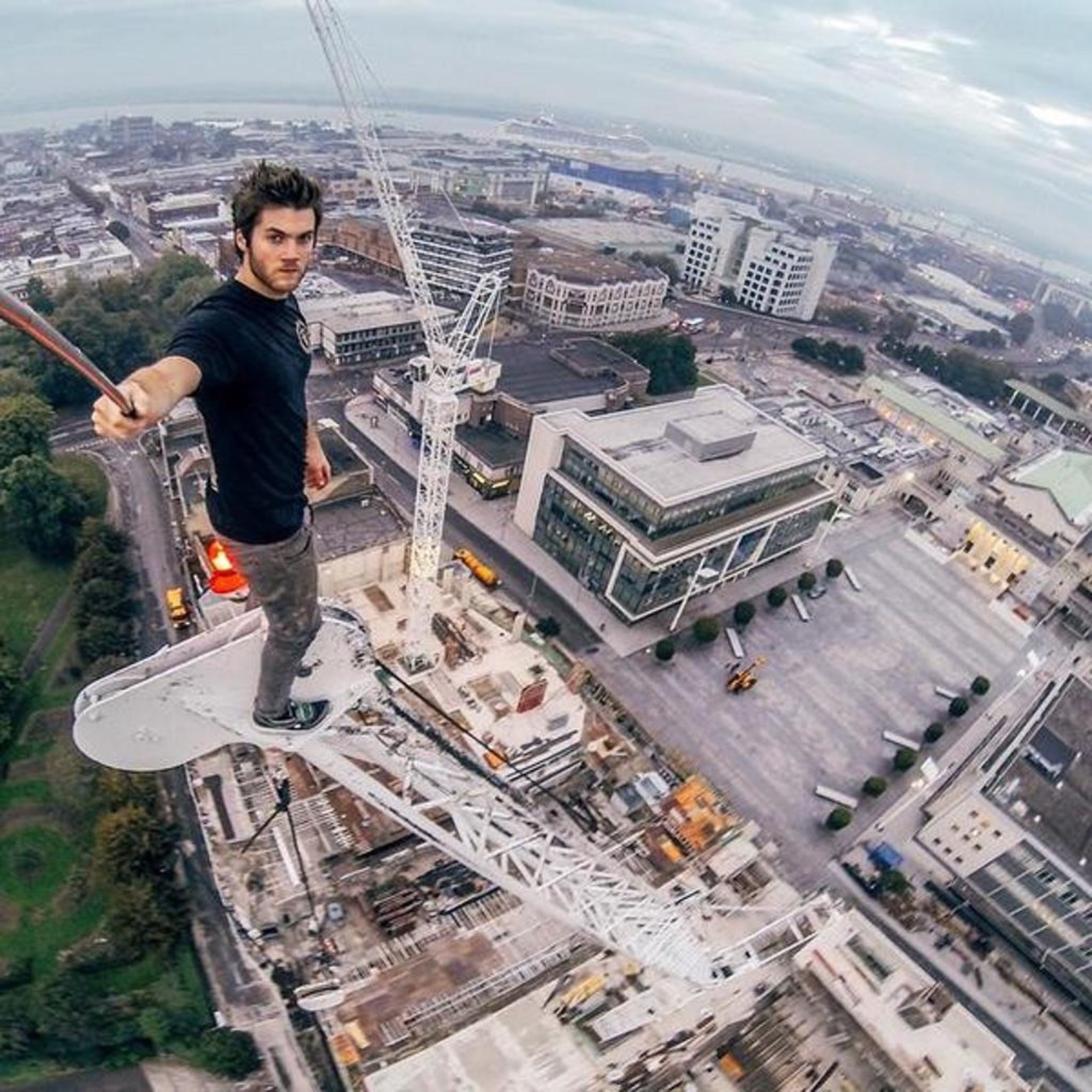
Countries Face Increase in Accidents Related to Selfies, Adopting Prohibited Areas and Reinforcing Alerts to Reduce Risks at Famous Tourist Spots
The quest for striking images while traveling has become a serious problem, as many visitors end up crossing safety boundaries. In recent years, records show that tourists continue to put themselves in danger, prompting authorities to reinforce alerts. This situation worries experts, who observe a constant increase in fatal accidents related to selfies at tourist locations.
This issue is not new. Since 2014, hundreds of people have lost their lives trying to capture impressive photos in beautiful areas, but without adequate protection.
This behavior has gained momentum with social media; moreover, many travelers take risks that disregard basic warnings.
-
Brazilian military personnel spend weeks in extreme training in the Amazon and receive a badge reserved for Jungle Warriors during the celebration of the 60th anniversary of one of the most demanding and respected courses in the world.

-
After the divorce, a woman spent four years building a studio apartment with skylights, mirrors, a bathtub hidden under the sofa, and family mementos for a fresh start.

-
The “Rei do Bolão” of Fortaleza made 100 people millionaires at once in the Mega-Sena: the lottery office in Aldeota divided R$ 168 million in a pool and delivers a bet from São Paulo to Dubai.
-
After swapping sewing for cement, a woman from Paraná became a mason, spent 12 years on construction sites, started building her own house, and even gained fame for restoring old Opalas.



Countries and Spots Leading the Accidents
India ranks first in the world in the number of deaths related to selfies. A large part of these cases occurs near rivers and seas, where the terrain can be deceptive.
Because of this, the country has created “no selfie” zones, especially in busy cities like Mumbai.
Restricted areas have sparked debates, but authorities argue they are necessary to prevent new disasters.
Other destinations also face problems. In the United States, Horseshoe Bend in Arizona records fatal falls because it has no safety barriers.
Grand Canyon follows the same trend, as many visitors get too close to the edges to achieve the perfect angle.
Most Dangerous Places for Selfies
The list of risky destinations includes regions that attract thousands of tourists every year.
- Bali features unexpected waves that surprise those trying to get too close to the water.
- Johannesburg, South Africa, has unprotected cliffs.
- Java, Indonesia, exposes visitors to active craters.
- At the Taj Mahal, staircases frequently cause accidents.
- Gocta Falls in Peru has cliffs that confuse travelers.
- Machu Picchu faces high risks at its edges.
- Moscow records falls from buildings.
- Taranto, Italy, raises concerns during school trips.
- Seville, Spain, has ancient bridges without safety measures.
- Sintra, Portugal, hides dangerous cliffs.
Path to Safer Tourism
Preventing tragedies has become a priority. Governments and operators seek to balance individual freedom and collective protection, as the goal is to preserve lives without compromising the tourist experience.
Simple strategies and respect for local guidelines can prevent serious accidents and ensure safer travels for everyone.
The information is from Crusoé.




-

-

2 people reacted to this.