






 Portuguese
  Spanish


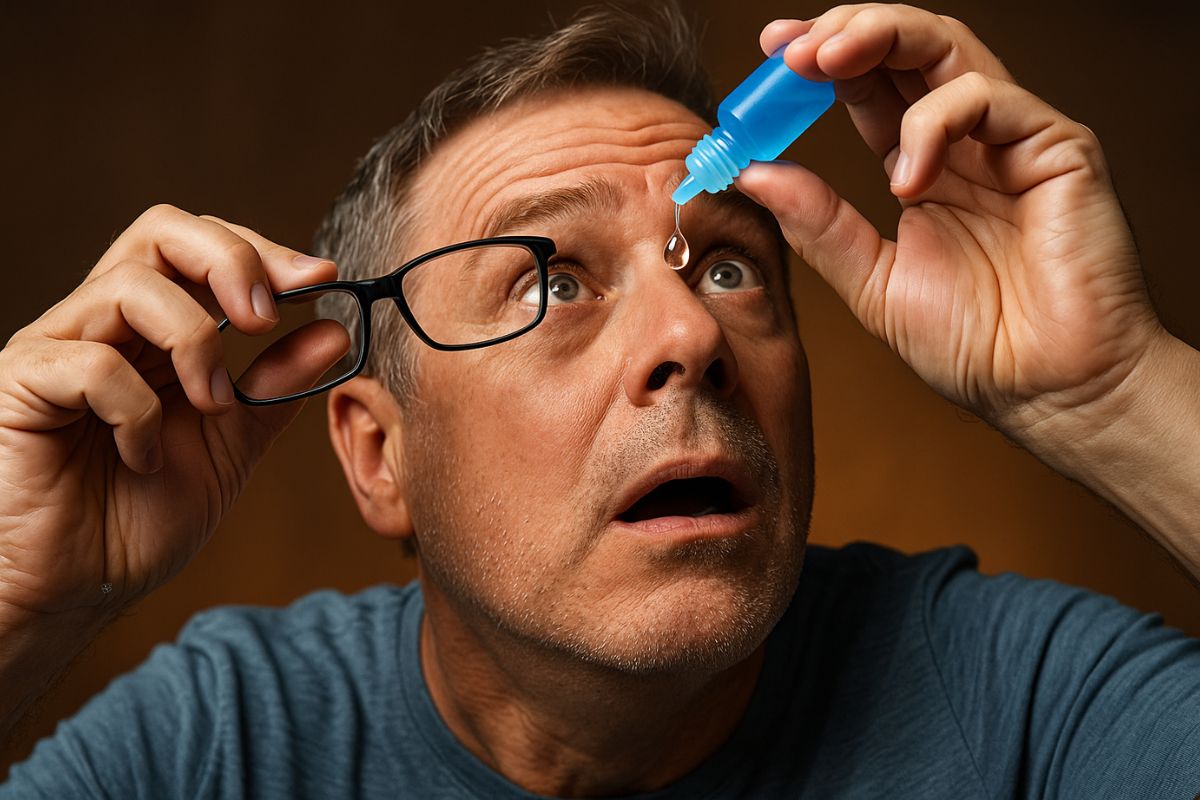


FDA Approves In August 2025 Revolutionary Eye Drops That Correct Presbyopia For 10 Hours And Could Arrive In Brazil In 2026 After Anvisa
The eye drops that correct tired vision were approved in August 2025 by the FDA (Food and Drug Administration), the regulatory agency of the United States equivalent to Anvisa in Brazil. The solution promises to revolutionize the treatment of presbyopia, a condition affecting people over 40 and compromising near vision. With just one drop, the effect can last up to 10 hours, eliminating the need for reading glasses for a large part of the day.
According to a report from Record SP, the expectation is that the product will arrive in Brazil in 2026, after evaluation by Anvisa. Experts say that the innovation represents a paradigm shift in ophthalmological care, providing more autonomy and comfort for patients.
How The FDA-Approved Eye Drops Work
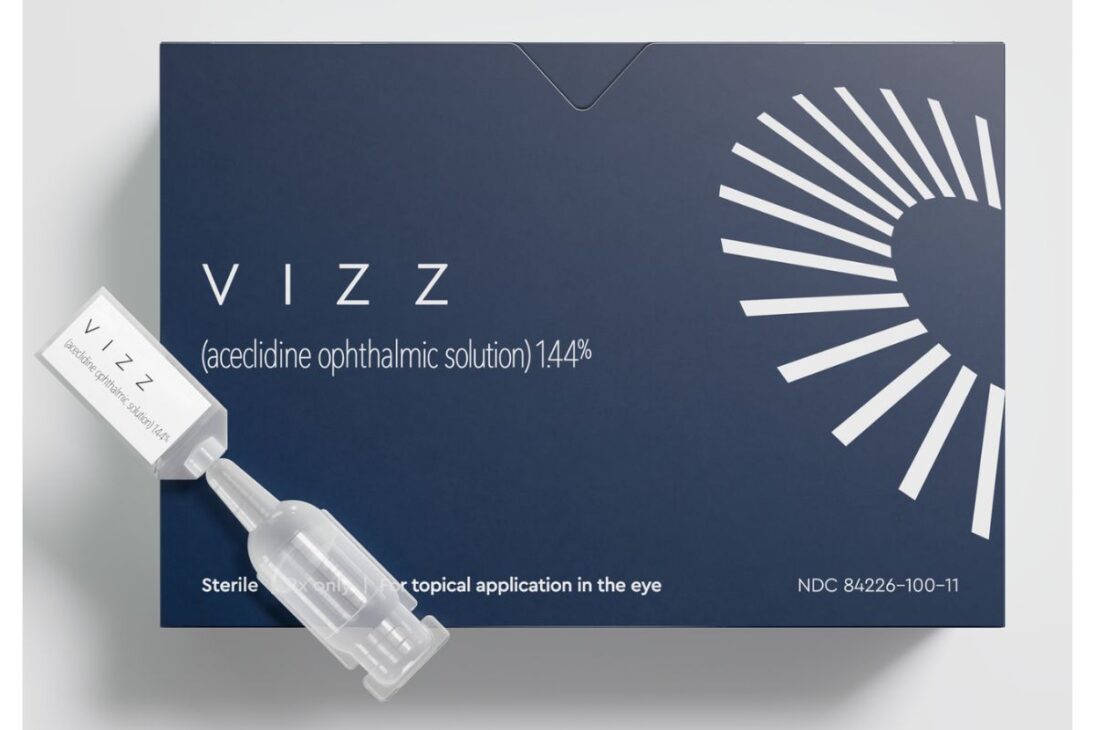
Presbyopia, also known as “tired vision,” has always been treated with specific glasses or surgeries. The new medication works differently: it constricts the pupil, improving depth of focus. This way, the eye regains the ability to see nearby objects, such as cell phone screens, medical leaflets, or restaurant menus.
-
Sixth-Grader in Brazil Turns Pine Nut Shells into Biodegradable Cups that Decompose in Five Weeks

-
Chinese Robot Dog Equipped with Wheels Can Cross Rivers, Ice, and -30°C Cold, Aiding in Power Grid Inspections and Disaster Areas

-
Researchers Develop “Electronic Nose” to Detect Spoiled Food and Allergen Traces
-
Massive Leak Puts iPhone 18 Pro in Spotlight Months Before Launch as Hackers Release Over 200,000 Confidential Apple Documents



The effect is temporary but sufficient to cover a workday or daily activities. The use is daily and painless, and according to experts, it does not completely replace glasses but offers a practical alternative for those seeking more visual freedom.
Price And Market Availability
In the United States, the estimated price is around R$ 430 per bottle, a value that may vary depending on health insurance or discounts at pharmacies. Sales will begin in October 2025, initially in large urban centers.
In Brazil, the arrival of the eye drops depends on the registration process with Anvisa, which includes analysis of efficacy, safety, and commercial viability. If there are no delays, the product could be available in the national market in the second half of 2026.
Impact For Patients And Ophthalmology

Experts highlight that this advancement does not eliminate the need for medical monitoring but expands treatment options. For millions of Brazilians suffering from presbyopia, the eye drops that correct tired vision can represent greater practicality and quality of life.
Patients like Silvia, 56, report excitement: “the freedom of not relying on glasses is all I want,” she said in an interview. The account reinforces the expectation that the product will be well received by those seeking less invasive and more flexible alternatives.
Would you use the eye drops that correct tired vision instead of reading glasses? Do you think this technology could change the optical market in Brazil? Leave your opinion in the comments — we want to hear your experience.


