Portuguese
  Spanish


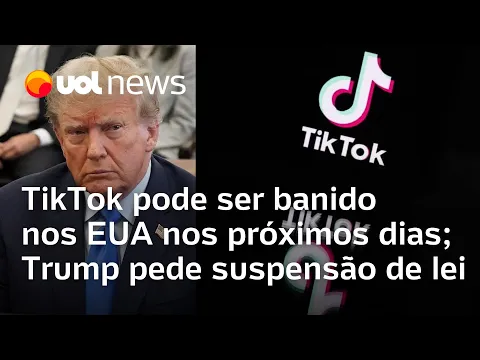
End of TikTok in the U.S. Leaves Content Creators on High Alert. Understand How the Possible Ban of TikTok, Scheduled for January 19, Affects the Country.
The countdown to the end of TikTok in the U.S., scheduled for January 19, is not just breaking news for the tech industry, as it reconfigures the future of thousands of content creators who rely on the app as their primary source of income. With over a billion global users, TikTok is an essential platform for creators, but now they face a dilemma that goes beyond content. Check out the details about the TikTok ban in the country.
Impact of the End of TikTok in the U.S. on Influencers
TikTok, operated by Chinese giant ByteDance, has been under controversy since the U.S. government began an offensive to limit the autonomy of Chinese companies in the country.
The situation intensified in April 2024, when Joe Biden signed a law requiring the sale of the app by the responsible company or its removal from U.S. app stores. So far, negotiations remain at a legal impasse, with the Supreme Court reviewing the matter.
-
Brazilian Students Develop Solar-Powered AI Trap for Cotton Pests, Defeating Carnegie Mellon and Cornell in Global Agricultural Robotics Award

-
Brazil’s Bahia Digs Over 1.5 km Deep Vertical Shaft for “Giant Elevators” in Copper Mine to Move 2.2 Million Tons of Rock Annually and Transport 840 Workers Daily in the Vale do Curaçá Complex

-
James Webb Telescope Captures Violent Galactic Wind: Galaxy Ejects Stellar Fuel at Extreme Speed, Could “Die” in 100 Million Years

-
Teen’s Weight Gain and Cushing’s Disease Revealed by Ankle Injury: Doctors Discover Tiny Pituitary Tumor in 113-Kilo Brazilian Adolescent



With the TikTok ban, influencers like Jack Nader, 21, and Danisha Carter, 27, have already started building their bases on other platforms, according to CNBC. Nader, who gained over 500,000 followers on TikTok, claims it took him a year and a half to build his base and now he is starting from scratch.
For many creators, like Carter, TikTok is not just a video platform. It has changed lives and businesses. It is much more than just an app. While some choose to migrate to Instagram Reels or YouTube Shorts, others are turning to alternative platforms such as Patreon to diversify their income. For creators, the key word is adaptation.
End of TikTok in the U.S. Opens Space for Other Platforms
The end of TikTok in the U.S. opens a highway of opportunities for giants like YouTube and Meta, who may benefit from the gap left by TikTok. Experts estimate that up to half of the Chinese platform’s advertising investments could be redistributed, benefiting competitors. It is worth mentioning that, in India, after the TikTok ban in 2020, the growth of competitors was impressive.
DMi Partners, a company focused on digital marketing, is helping creators navigate this period of uncertainty by offering strategies to maximize reach across multiple platforms and avoid TikTok penalties for promoting rival platforms.
Even in the face of uncertainty, influencers like Nealie Boschma, with over 2 million followers on TikTok, remain optimistic: Regardless of the outcome, Boschma claims that they have found their space on other platforms.
Could Elon Musk Buy TikTok?
With the end of TikTok in the U.S., Chinese authorities are considering an option involving selling the U.S. subsidiary of TikTok to entrepreneur Elon Musk in case the social network cannot avoid a ban.
According to information from the Bloomberg news agency, citing sources familiar with the matter, Beijing authorities still prefer that the app remains under ByteDance’s control; however, U.S. Supreme Court justices have already indicated during hearings on January 10 that they are likely to uphold the law.
High-ranking Chinese officials had already begun discussing contingency plans for TikTok as part of a broader discussion on how to work with the government of Donald Trump. An agreement with one of their biggest allies would appeal to the Chinese government, which should influence what will happen with ByteDance’s subsidiary, according to Bloomberg.