Portuguese
  Spanish


Petroleum-Derived Vaseline Started as Well Residue and Became an Essential Item in Hospitals, Beauty Salons, and Religious Rituals. Discover Its Surprising Journey.
Few substances manage to cross such distinct boundaries as vaseline. What began as a byproduct of crude oil extracted from wells in the United States in the 19th century has transformed over time into a true everyday wildcard. Today, this shiny, odorless gel — officially classified as a petroleum derivative — is a guaranteed presence in homes, hospitals, beauty salons, and even religious altars throughout Brazil.
Contrary to what many believe, vaseline is not just a cheap cosmetic or an improvised ointment. Its origin is directly linked to the oil industry, and its journey reveals much about how petroleum derivatives have been surprisingly incorporated into the daily lives of the population.
From Sticky Residue to Miracle Product
The history of vaseline begins in 1859, when workers in oil fields in the United States noticed the formation of a pasty substance in the drilling equipment. What seemed like a problem was identified as a residue of paraffin and mineral oil.
-
With a record production of nearly 3 million barrels per day, Petrobras resumes importing diesel in July, highlighting the bottleneck in Brazilian refining.

-
Qantas and Airbus Invest in Company Aiming to Convert Unsorted Household Trash into Jet Fuel

-
Brazil’s ANP Opens 86 New Oil Blocks in the Equatorial Margin, Expanding the Amazon River Mouth Frontier

-
OPEC+ Boosts Oil Supply by 188,000 Barrels per Day in July 2026, Leading to Price Drop from $112 to $89 per Barrel in Under Two Months



They soon realized that applying the substance to cuts and burns helped in healing. A young chemist named Robert Chesebrough saw an opportunity there.
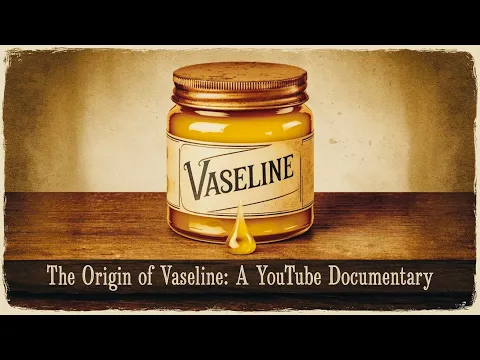

After years of purification and testing, he founded the company that would give rise to the Vaseline brand, launching the product as a purified petroleum gel with protective and healing properties. By 1872, the product was already being sold on a large scale — and decades later, it would arrive in Brazil as a synonym of care, improvisation, and versatility.
In Brazil: The Silent Success of Vaseline in Daily Life
While other chemical products rely on trends or advertising campaigns to gain traction, vaseline established itself in Brazil through word of mouth, utility, and affordability.
In the 1950s and 1960s, it became common to find vaseline in family homes, especially in rural areas. It was used to treat skin cracks, diaper rash, sunburns, and even as a lubricant for tools and door hinges. And this tradition has remained.
Today, even with the advance of sophisticated cosmetics and lab ointments, vaseline remains strong in the following contexts:
Where Vaseline is Still Indispensable in Brazil
Hospitals and Health Units
White vaseline (pharmaceutical grade) is used as a base for dermatological ointments and also acts as a protective barrier for injured skin, preventing infections and maintaining moisture. Health professionals use it in probing and examinations to reduce friction, as well as for its role in dressings.
Beauty Salons and Barber Shops
It is commonly used for moisturizing dry lips, cuticles, and heels, as well as to protect the skin when dyeing hair. Some barber shops still use solid vaseline as a finisher to add shine to hair or mustaches in retro styles.
African-Based Religions and Folk Catholicism
Vaseline has also entered the symbolic and spiritual realm. In candomblé and umbanda terreiros, it is used to protect the skin from hot herbs or cleansing baths. In Catholic celebrations, it serves as a base for sacred perfumes or to give shine to religious objects, such as images of saints.
Workshops and Household Uses
In the mechanical industry and home workshops, industrial vaseline is used to lubricate delicate parts, protect surfaces from rust, and preserve rubber seals. It is a safer alternative than industrial greases for sensitive equipment.
A Petroleum Derivative — But Purified
It is important to emphasize that vaseline is not simply oil in gel form. It is a highly purified substance, free of toxic hydrocarbons. Nevertheless, its origin is crude oil — more specifically, the heavy compounds obtained in fractional distillation.
In other words: what was once destined for disposal in the refining industry has transformed into a multifunctional and safe product for human use. This demonstrates the industry’s ability to generate value even from what seems to be waste.
Why Does Vaseline Still Endure in Modern Times?
Even with the rise of more expensive and specialized products, vaseline remains popular for three main reasons:
Very Low Cost: a jar of vaseline can last for months and costs less than any competing product with a similar function.
Versatility: it is used for more than 20 different purposes, from skin care to protecting metals.
Cultural Approval: it has been passed down from generation to generation, establishing itself as a trusted item — almost always present in the grandmother’s drawer, the local pharmacist’s shelf, and the neighborhood’s herbalist.
A Symbol of Brazil That Reinvents Itself Over Time
Like the gas cylinder or the kerosene lamp, vaseline is one of those products that prove that utility triumphs over time, technology, and fashion. Behind its simple appearance lies the complexity of the oil industry, the ingenuity of chemistry, and the popular wisdom that adapted it for hundreds of uses.
Today, whether for a baby with a rash, a mechanic lubricating parts, or a faithful participant in a religious ritual, the gel that once sprang from oil wells continues to be present — silent, shiny, and indispensable.