Portuguese
  Spanish


Understand More About Latin America Has Oil Reserves That Exceed, In Volume, Those Of All Of Saudi Arabia.
This vast wealth is concentrated mainly in the Orinoco Oil Belt, in Venezuela, a region that holds the largest volume of heavy oil in the world.
However, despite its unmatched potential, the country produces twelve times less than the Saudi giant, raising crucial questions about the economy, politics, and the future of the global energy market.
Latin America: A Hidden Oil Treasure in Venezuela
When it comes to oil, the Middle East usually dominates the narrative.
-
OPEC+ Boosts Oil Supply by 188,000 Barrels per Day in July 2026, Leading to Price Drop from $112 to $89 per Barrel in Under Two Months

-
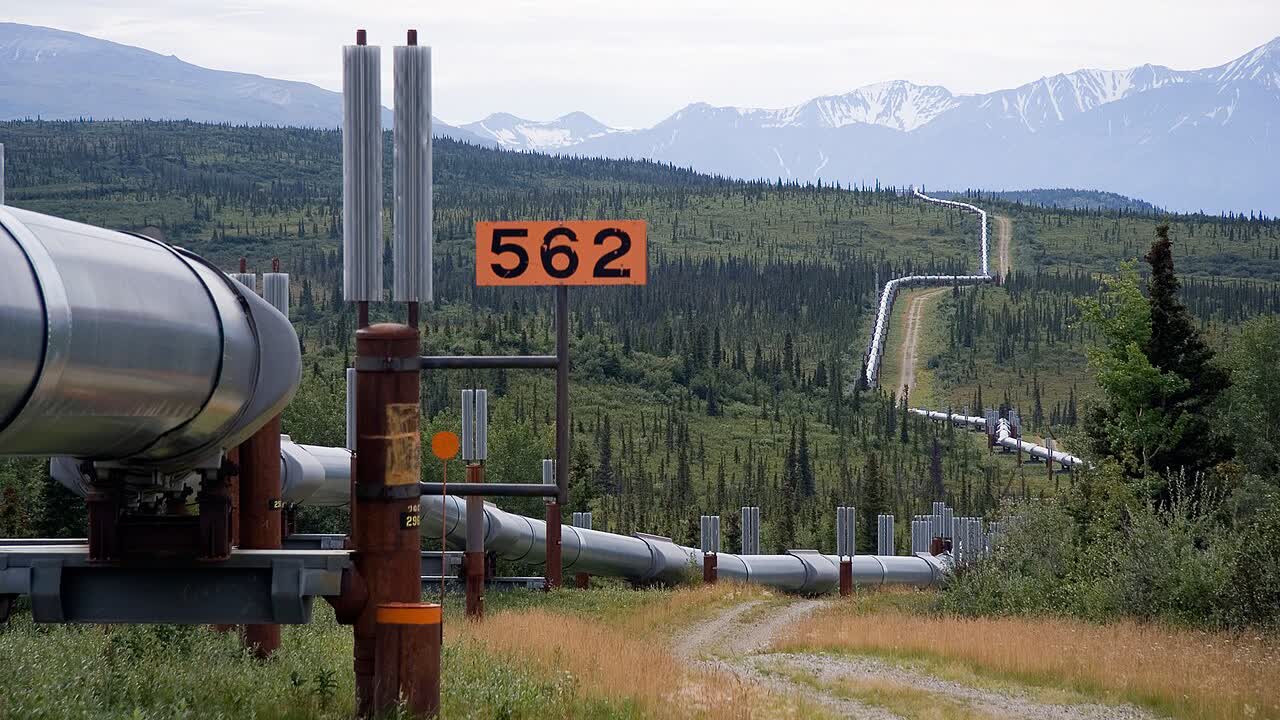
TotalEnergies Signs 20-Year Deal to Purchase 2 Million Tons of LNG from Alaska, Boosting Project Viability
-
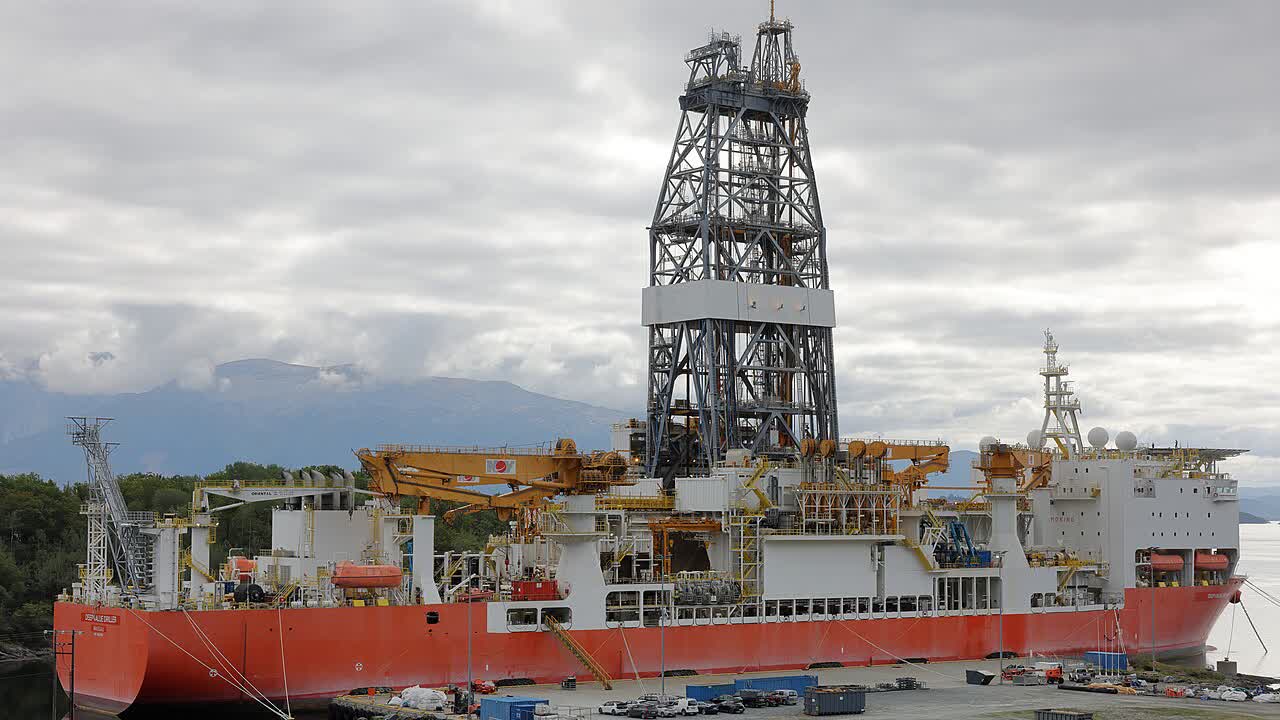
Turkey Deploys Çağrı Bey Drilling Ship to Explore New Oil Frontier Off Somalia’s Coast
-
Golden Pass LNG Ships First Liquefied Gas Cargo from the U.S., Completing $10 Billion QatarEnergy and ExxonMobil Investment

However, a deeper analysis reveals that Latin America, and more specifically Venezuela, is the true holder of the largest proven reserves on the planet.
With an estimate exceeding 300 billion barrels of crude oil, the region concentrates energy wealth that, in theory, could meet a significant portion of global demand for decades.
The heart of this immense reserve is the Orinoco Oil Belt, a strip of land that extends over 55,000 square kilometers along the Orinoco River.
This area is remarkable not only for its quantity but for the nature of its oil: it is mostly extra-heavy oil, which presents technical and economic challenges for extraction and refining, but does not diminish its strategic value.
The discovery and certification of these reserves place Venezuela in a unique position in the global energy landscape.
Orinoco Oil Belt: The Largest Reserve But With Limited Production
The irony of the situation is glaring: while Latin America, through Venezuela and the Orinoco Oil Belt, holds more oil than all of Saudi Arabia, its production is dramatically lower.
Saudi Arabia, with its reserves of about 260 billion barrels, achieves an incomparably higher daily production, remaining one of the key players in the global oil supply.
The disparity in Venezuelan production, which is up to twelve times less than that of Saudi Arabia, is the result of a complex combination of factors. Among them:
- Outdated Infrastructure: Decades of underinvestment and lack of maintenance have led to the deterioration of exploration fields, refineries, and pipelines.
- International Sanctions: The economic sanctions imposed by various countries have made it difficult to access modern technologies, equipment, and foreign financing, essential for the exploration of heavy oil.
- Technical Challenges: The extra-heavy oil from the Orinoco Oil Belt requires more complex and costly extraction and refining technologies.
- Political and Economic Instability: The internal crisis in Venezuela directly impacts the management and operation capacity of the oil industry.
These obstacles prevent Venezuela from fully exploring its potential, maintaining a vast underground treasure that, despite existing, cannot be transformed into wealth and development for the country.
The Legacy and Future of Oil in Latin America
The oil from the Orinoco Oil Belt represents not only a commodity but also a geological legacy and a potential future for Latin America.
The ability to one day unleash this vast amount of energy could have profound implications for Venezuela’s economy and for the balance of the global market.
Energy sector analysts closely monitor the situation. A possible recovery of Venezuelan production capacity could alter price dynamics and supply, impacting consumer and producer countries.
However, the path for Venezuela to fully utilize its oil is long and depends on overcoming significant internal and external challenges.
The story of oil in Latin America is, therefore, a narrative of extremes: on one side, an abundance that even surpasses the largest global producers; on the other, a reality of underutilization that prevents this wealth from manifesting in prosperity.
The future of the Orinoco Oil Belt and Venezuela remains one of the great unknowns of the global energy landscape.