






 Portuguese
  Spanish


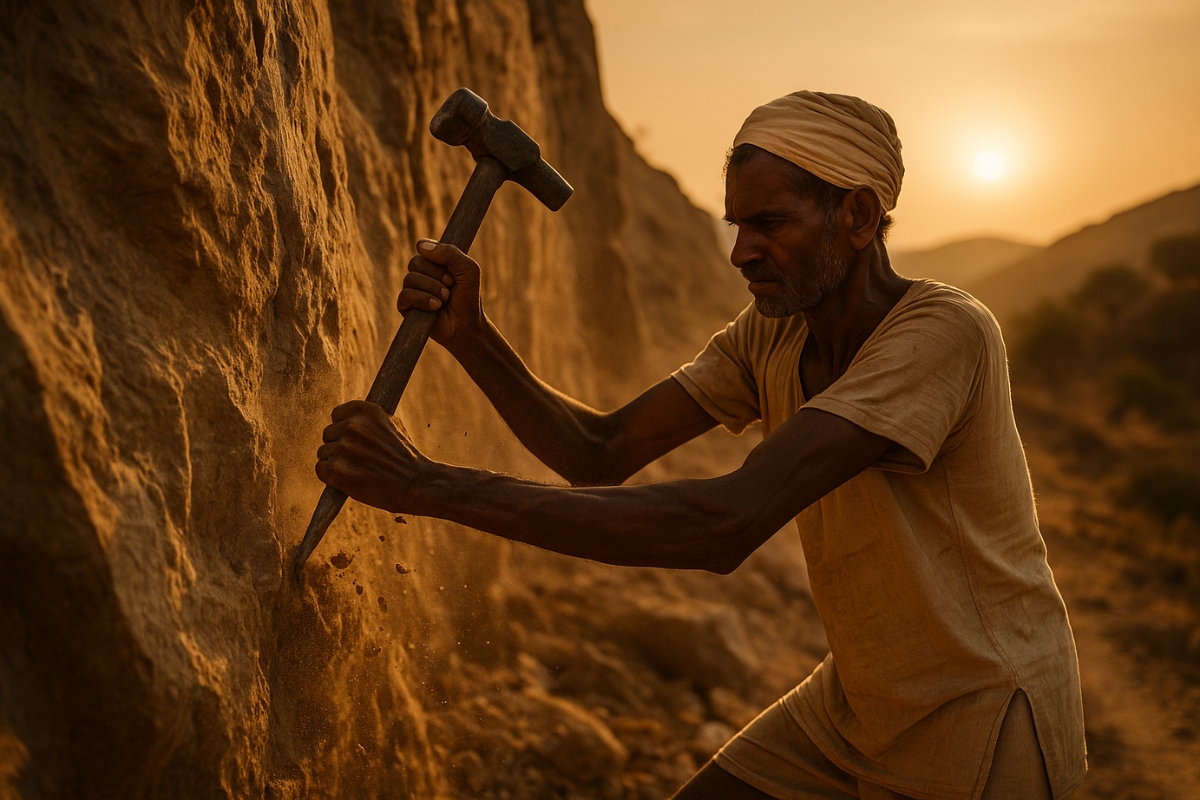


For 22 Years, Dashrath Manjhi Carved a Mountain in India with a Hammer and Chisel to Link His Isolated Village to the City. His Feat Transformed Lives and Made Him a Symbol of Courage and Perseverance
Few stories in India are as powerful as that of Dashrath Manjhi, the man who, alone and with simple tools, carved a path through a mountain. His epic feat transformed the destiny of an isolated village and became a global symbol of perseverance, love, and overcoming adversity.
A Tragedy That Changed Everything
Dashrath Manjhi was born in 1934 in the small village of Gahlaur in Bihar, one of the poorest regions of India. He belonged to a marginalized community and grew up facing severe hardships. For years, he worked in coal mines until he returned to his hometown, where he married Falguni Devi.
The tragic turning point in his life came in the late 1950s. One day, his wife fell gravely ill while trying to cross the mountain that separated the village from medical services in the nearest city. Help took too long, and Falguni died in Manjhi’s arms. The reason was cruelly simple: there was no road. Between his home and the hospital was only a sheer cliff of solid rock.
-
15-Year-Old Entrepreneur Malu Lira Publishes 20 Children’s Books on Financial Education, Earns $500,000, and Expands Her Project to the Amazon Rainforest

-
Entrepreneur Turns Rio Cemetery Canteen into a Successful Snack Chain Generating $4.9 Million Annually and Expanding to Metro Stations

-
Rare fox feared “extinct” found alive on Caribbean island after over two decades without official sightings

-
21-Year-Old Brazilian Student Turns Homemade Popsicle Hobby into $100,000-a-Month Business





Driven by the pain and anger of witnessing his community’s neglect, Manjhi decided to do the impossible. He took a hammer, a chisel, and began to carve a path through the mountain with his own hands.
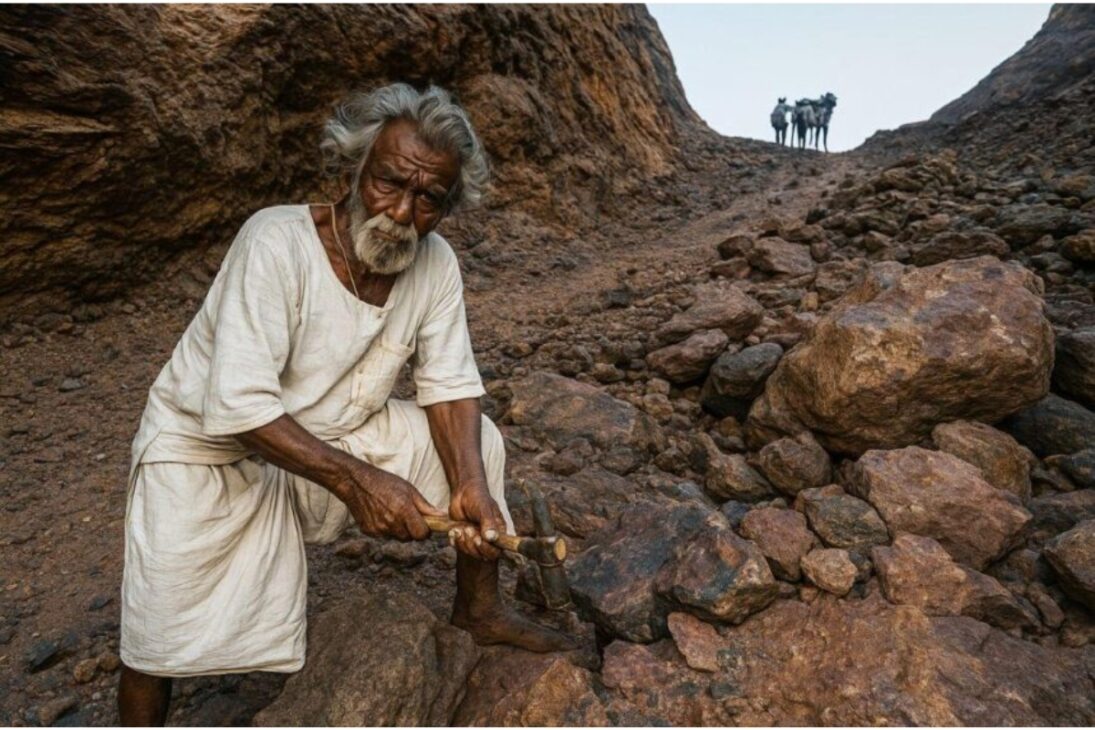
22 Years of Struggle Against the Rock
The task that seemed insane lasted 22 years, from 1960 to 1982. Every day, under the scorching sun of Bihar, the man dug and struck the rock, piece by piece. Without machines, without support, and often without food, he remained determined, even when neighbors laughed at him or called him crazy.
Over time, the rock began to yield. Blow by blow, he managed to create a 110-meter-long path, 9 meters wide, and up to 7 meters deep in some places. The feat reduced the distance between his village and the neighboring city from 55 kilometers to just 15.
When the path was completed, the lives of hundreds of people changed forever. What had once been a dangerous and long trek became a safe and direct access to schools, hospitals, and markets. The mountain that separated families was literally split by one man.
Over time, the nickname “Mountain Man” spread throughout India and the world. The Bihar government officially recognized his work, and the road opened by his hands became a daily route for the region’s residents.
A Legacy That Crosses Generations
Dashrath Manjhi died in 2007 in New Delhi from cancer, but left an immeasurable moral legacy. In his hometown, a memorial was erected in his honor, and his name became a symbol of human courage and resilience.
His story was depicted in film in 2015, in the movie “Manjhi: The Mountain Man”, which brought to the screen the drama, faith, and effort of a man who refused to accept fate. Since then, schools, NGOs, and even social movements in India use his journey as an example that real change can arise from individual acts of determination.
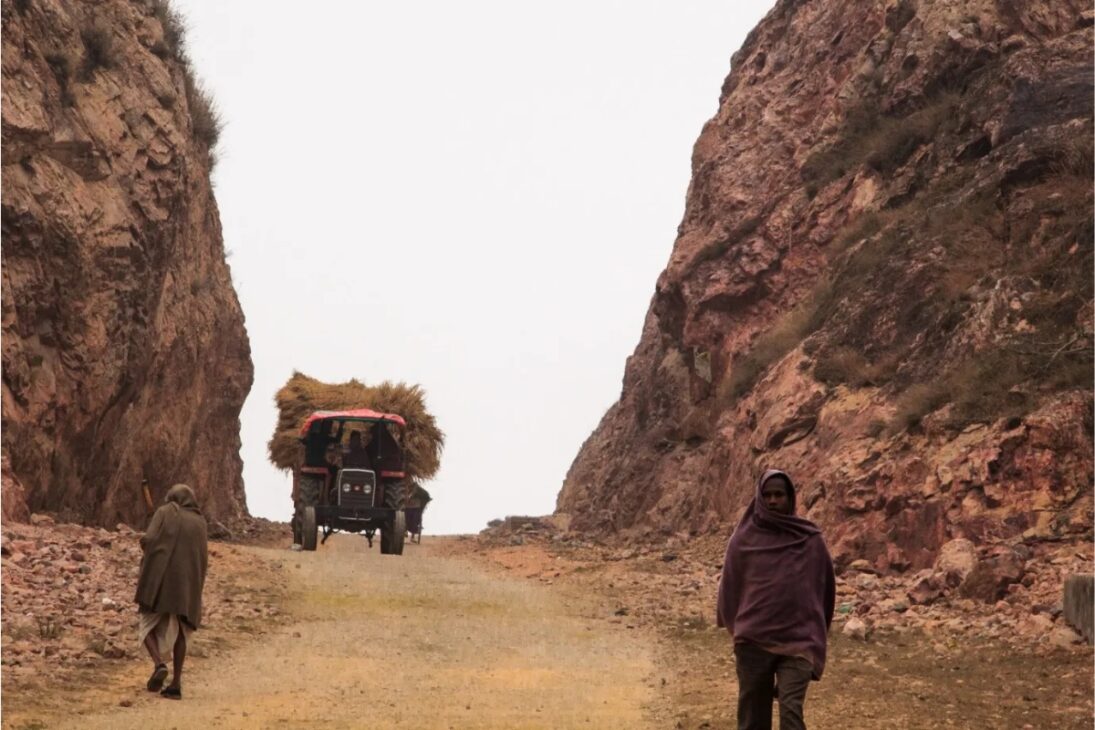
Today, the path carved by Dashrath is also a tourist attraction and a place for reflection. People from all over the world visit Gahlaur to see the corridor opened in the rock, and many call it “the tunnel of love,” in tribute to the reason that motivated him: to save and honor the memory of his wife.
More than half a century later, his story still inspires engineers, environmentalists, and entire communities. He proved that no mountain is insurmountable when there is purpose and courage.







Depois não acreditam que o homem fez pirâmides
então ele cavou um túnel sob o sol escaldante? essas matérias aqui são vergonhosas.
A lição que fica é: “mova montanhas para ajudar as pessoas e ao final, receba zombarias/desdém/ingratidões/perfídias/insidiosidades/deslealdades destas mesmas pessoas!.”