






 Portuguese
  Spanish


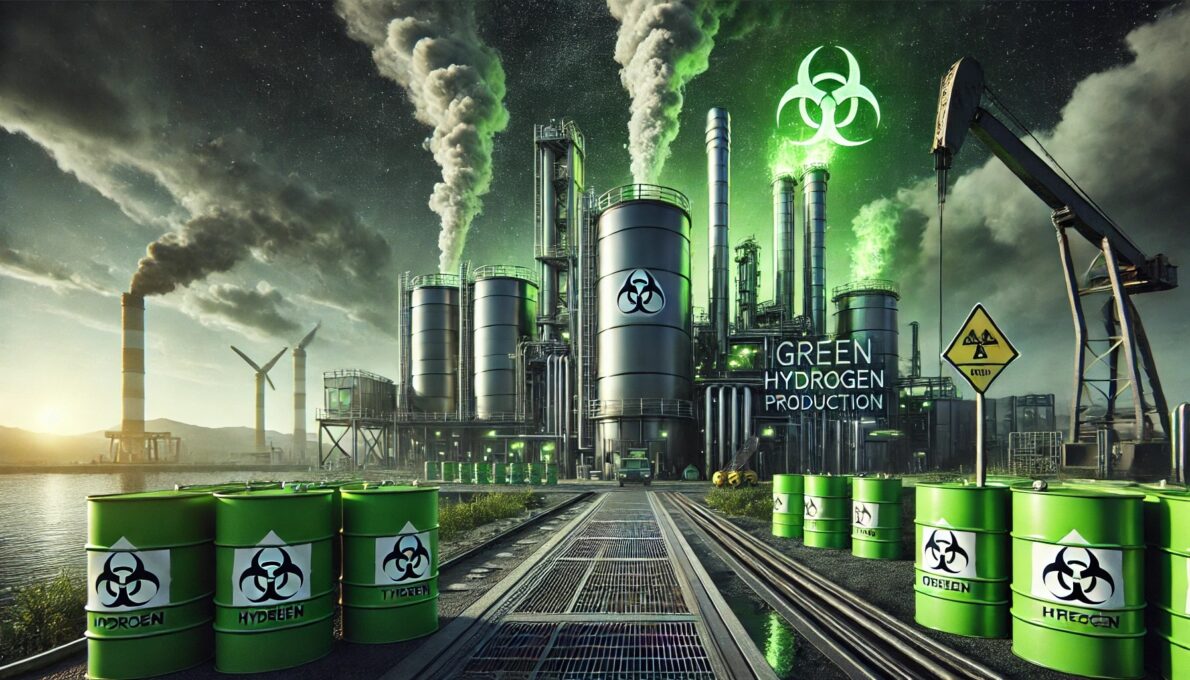


Study Reveals That PFAS, Toxic Substances Used in Green Hydrogen Production, Can Accumulate in the Environment and Living Beings, Causing Serious Health Problems Such as Cancer, Liver Damage, and Infertility.
In recent years, green hydrogen has been seen as the magic solution to help the world combat climate change. After all, it is a clean fuel, with no carbon emissions, and can be used in various areas, such as transportation and industry. However, behind this promising technology lies a problem that few talk about: PFAS pollution. These chemicals, known as “forever chemicals,” may be polluting the environment and harming our health, even when the goal is to save the planet. Keep reading to discover the toxic side of green hydrogen, which has alarmed the population.
Is Green Hydrogen Really the New Sustainable Hope?
Before discussing the problems, it’s important to understand what green hydrogen is. It is produced through the electrolysis of water, a process that separates hydrogen from oxygen using electricity generated from renewable sources, such as solar or wind energy. This makes this fuel of the future a source of energy with no direct carbon emissions, which is great news for the environment.
However, for this process to occur efficiently, chemicals such as Nafion, which contains PFAS, are used. And that’s where the problem begins. These PFAS are highly toxic substances that can accumulate in the environment and living beings, causing serious health issues.
-
Brazilian scientists are simultaneously advancing two research projects on clean hydrogen and driving solutions that could transform the energy matrix, enhance industrial competitiveness, and accelerate large-scale emission reduction targets.

-
Advancement in renewable energy: A R$ 150 million project launched by Petrobras and Finep aims to create state-of-the-art electrolyzers for green hydrogen, strengthening national research and preparing Brazil to compete in a billion-dollar energy market.
-
Illiterate or semi-literate grandmothers were trained to repair solar systems, open rural workshops, and light up homes that still depended on kerosene.
-
The world has bet on green hydrogen as the fuel of the future, but now faces the side effect: producing 1 kilogram requires about 9 liters of ultrapure water, and the largest projects on the planet are precisely in the driest regions of the Earth, where water is already scarce for people.





The Great Risk of Green Hydrogen
PFAS are known as forever chemicals because they do not break down easily in the environment. Studies show that they can cause a range of health problems, including cancer, liver damage, and fertility issues. In the town of Villers-Saint-Paul in northern France, residents were warned not to consume eggs from their hens after tests detected high levels of PFAS.
The irony is that the company responsible for producing these chemicals is Chemours, which also manufactures essential components for green hydrogen. In other words, while hydrogen is seen as a solution to reduce carbon emissions, the production of these materials could be contributing to another type of pollution.
The Toxic Side of Hydrogen: Is It Worth It?
This situation raises a big question: does the use of green hydrogen really compensate, considering the impacts of PFAS pollution? The Chemours factory in Villers-Saint-Paul is investing millions of euros in producing essential materials for hydrogen. However, tests conducted in the area show that PFAS pollution is a real concern.
The deputy mayor of the town, Alexandre Ouizille, stated that initially residents were excited about the project, expecting more jobs and technological advancements. But when PFAS pollution was revealed, the enthusiasm turned to concern. And it’s not hard to see why: these chemicals are being found everywhere, from water to food, and the health effects are devastating.
Can Green Hydrogen Develop Without the Risks of PFAS, or Are We Trading One Problem for Another?
Green hydrogen has the potential to transform the energy sector and help combat climate change, but this cannot happen at the expense of public health. The European Union is already looking into PFAS, with proposals to phase out these chemicals in various industries, including hydrogen. However, the transition to safer alternatives may take time.
The industry is worried about the impact of these restrictions on hydrogen production. After all, PFAS are fundamental to the current process. But experts believe it is possible to find substitutes that are less toxic. The problem is that this research and development of alternatives could take years.
In the meantime, Chemours’ project moves forward, with continuous monitoring to ensure pollution is managed. The company has committed to reducing PFAS emissions by 99% by 2030, but will that be enough to protect public health?
Ultimately, the quest for a cleaner and more sustainable future with green hydrogen faces a major challenge: the toxic side of hydrogen, represented by PFAS. The transition to renewable energy is crucial, but it must be done thoughtfully, avoiding new problems for the environment and public health. Now, the question remains: can green hydrogen develop without the risks of PFAS, or are we trading one problem for another?





Poderia explicar melhor, aonde e como esses PFAS, são utilizados na produção do hidrogênio verde?