Portuguese
  Spanish


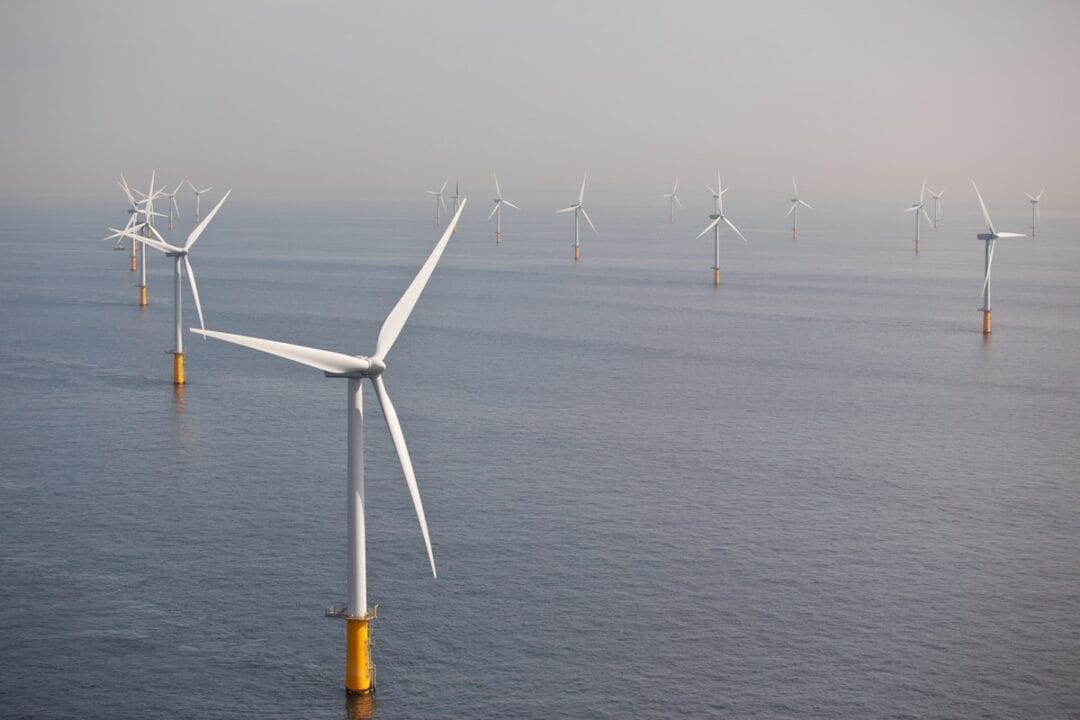

The Largest Wind Farm In The World Expands Capacity To Supply Energy To 6 Million Homes. Find Out How Wind Energy Is Transforming The Future
The Dogger Bank Wind Farm, the largest in the world with a capacity of 3.6 GW, is set for significant expansion. Developers SSE and Equinor have presented a scoping report for Phase D of the project, which could add over two GW of energy, according to a press release.
Context And Relevance
As countries seek cleaner methods to meet their energy demands, renewable energy sources such as wind and solar are being aggressively adopted. For the UK, which has limitations in terms of space and sunlight, offshore wind projects are more viable. These projects take advantage of the strong winds from the North Sea, which led to the approval of the Dogger Bank Wind Farm in 2015.
Details Of The Dogger Bank Project
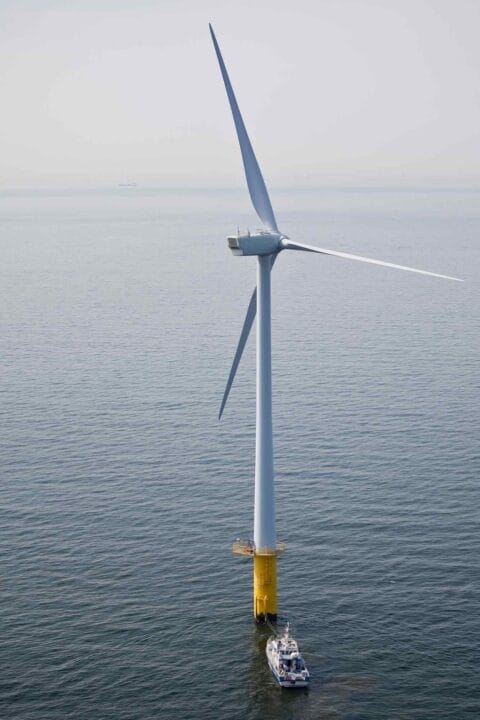
Located up to 200 kilometers off the coast of Yorkshire, the Dogger Bank Project is a group of offshore wind farms situated in the North Sea. It is being constructed in phases of 1.2 GW each, using GE’s Halide series turbines, which have a maximum output of 14.7 MW. A total of 277 turbines are expected to be installed in the first three phases of the project, achieving a combined capacity of 3.6 GW. At its peak, the project will be able to meet the energy needs of six million homes in the UK.
-
China’s Engineered Bamboo: The “Material of the Future” Stronger Than Steel and a Sustainable Wood Alternative

-
Giant Batteries Take Center Stage in Chile Auction as Company Offers 960 GWh of Solar Energy for Nighttime Use, Aiming to Stabilize Solar Power Supply
-
Egypt’s “New Nile”: 170 km Artificial River Aims to Turn Desert into Farmland, but Water Supply Concerns Loom
-
Eni Acquires 25% Stake in Chilean Lithium Project, Plans to Invest Up to $225 Million in Eco-Friendly Extraction Method



Electricity production began in October of last year, although the construction of the three phases is expected to be completed in 2025.
Phase D Development
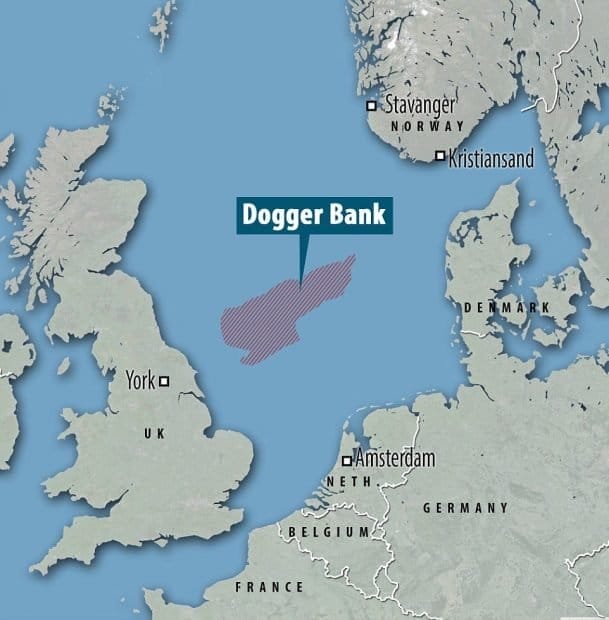
While construction of the previous phases continues, developers SSE Renewables and Equinor have begun the process for Phase D, which would extend the project up to 210 kilometers from the coast. According to the UK’s National Grid ESO Centralised Transitional Network Plan, the Dogger Bank D project will connect to the proposed Birkhill Wood substation in East Riding of Yorkshire.
The developers have requested permission for construction from The Crown Estate, the authority responsible for marine estates around England, Wales, and Northern Ireland. If granted, Phase D of the Dogger Bank Wind Farm will have an energy capacity of two GW once completed, further increasing the capacity of the world’s largest offshore wind farm.
Impact And Future Of Wind Energy
The increase in energy capacity at Dogger Bank highlights the growing importance of renewable energies in the global energy transition. Projects like this not only help reduce dependence on fossil fuels but also represent a crucial step toward a more sustainable future. The expansion of Dogger Bank is a testament to how technology and investment can collaborate to create large-scale energy solutions.
The Dogger Bank Wind Farm is a flagship project in the field of renewable energy, demonstrating the potential of offshore wind resources to meet a significant portion of a country’s energy demand. With the addition of Phase D, its position as the largest offshore wind farm in the world will be further strengthened, underscoring the UK’s commitment to a sustainable energy future.
Source: www.sserenewables.com