Portuguese
  Spanish


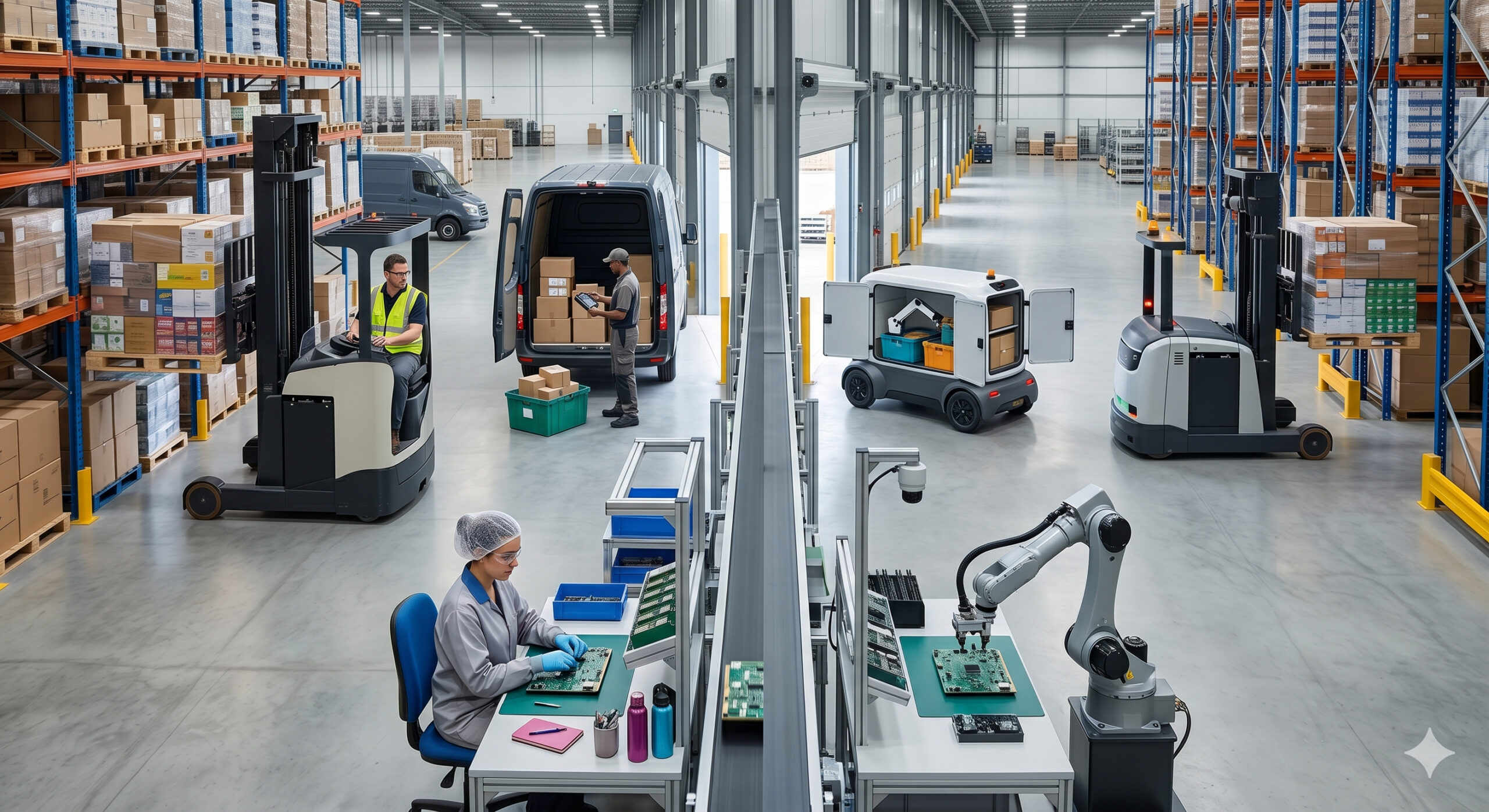

4.66 million robots are already operating in the global industry and advancing over human functions, signaling a new phase of automation at work.
In 2025, the International Federation of Robotics released updated data from the report World Robotics showing that the global stock of industrial robots reached 4,664,000 units in operation in 2024, one of the highest levels ever recorded in the history of industrial automation. This number not only represents technological growth but a structural milestone in the global labor market. According to the organization, the annual installation of robots has more than doubled in the last decade, reflecting a profound change in how factories, logistics centers, and production chains operate.
The central point of the alert is not just in the quantity but in the type of task that these robots are starting to take on, advancing over traditionally human functions.
Repetitive and operational functions enter the direct focus of industrial automation
Historically, industrial robots were mainly used for highly specific tasks, such as welding and automotive painting. However, the new generation of automation is advancing to broader activities present in different sectors.
-
General Motors Replaces Over a Thousand Workers with 50 Cobots at Electric Vehicle Plant, UAW Union Criticizes Move Amid Industry’s Automation Push

-
Havaianas: From Humble Beginnings to a $900 Million Global Fashion Icon
-
Helsinki Residents Receive Water That Travels 120 Kilometers Through a Hidden Rock Tunnel from a Lake Before Treatment
-
SENAI Launches $36 Million Innovation Round to Boost Brazilian Manufacturing Productivity and Reduce Business Risks with R&D Projects by 2026
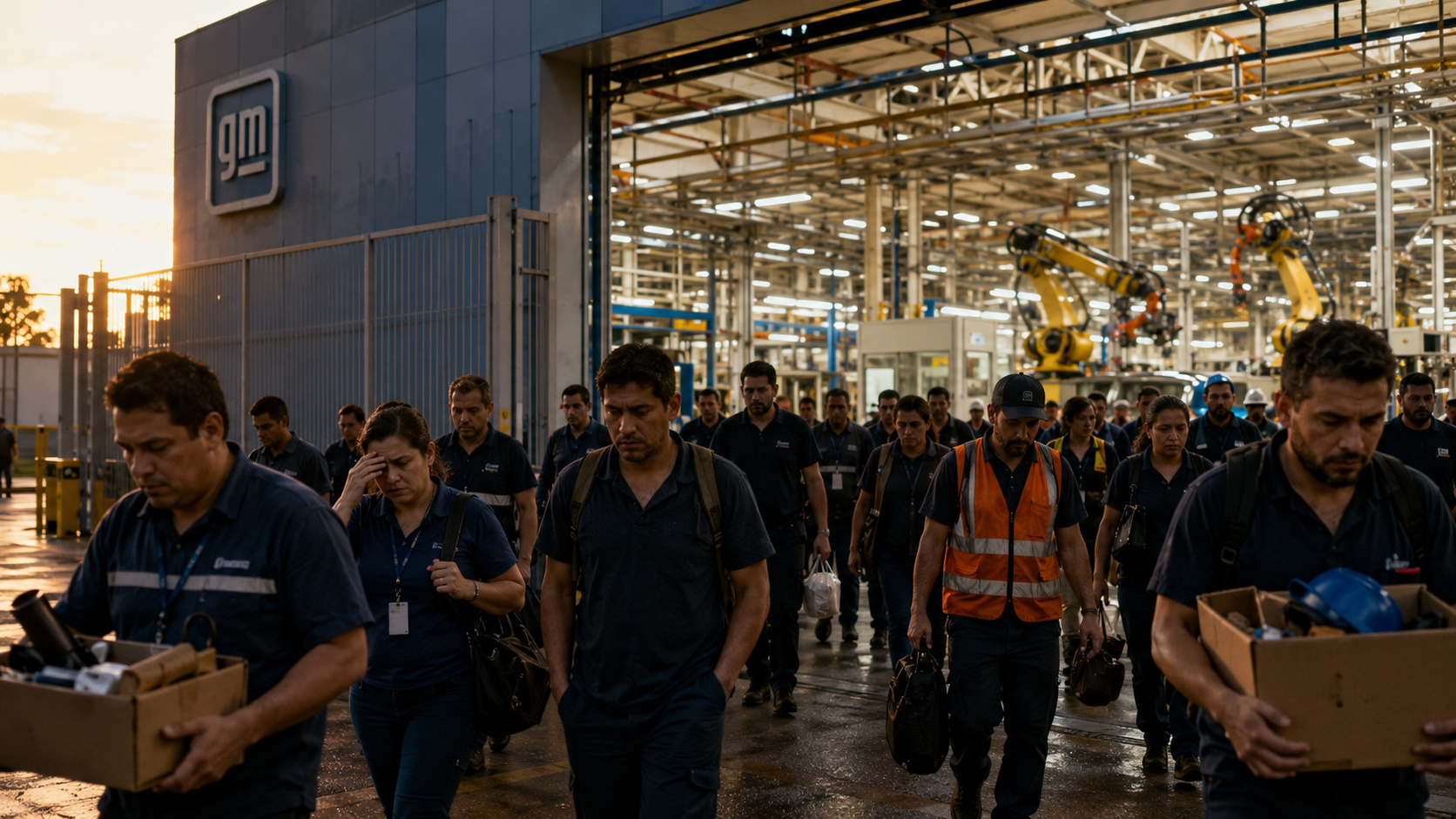


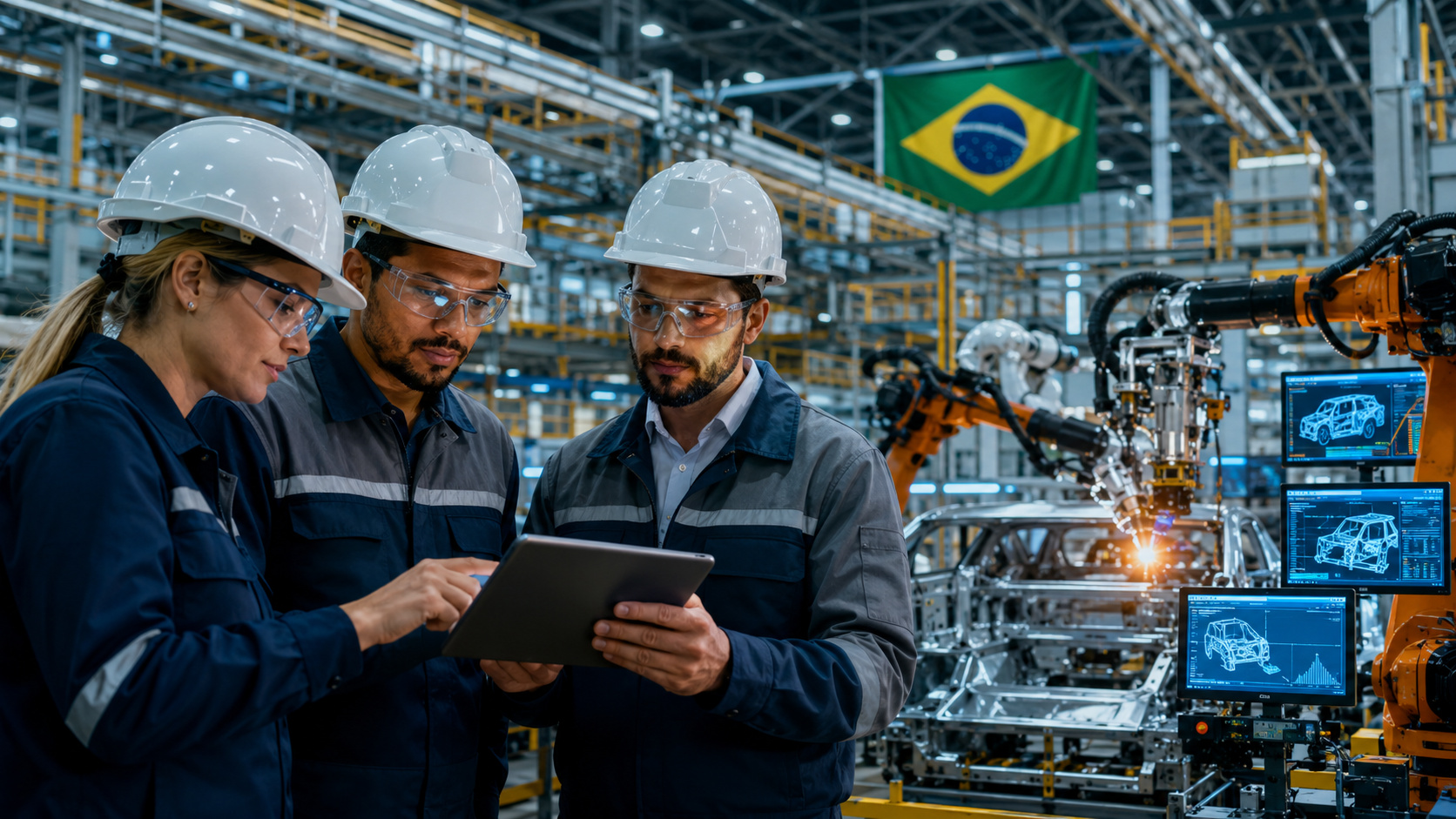


Among the functions that are now coming into the direct radar of automation are: load handling, forklift operation, order picking, packaging, internal transport, and urban deliveries.
These activities share common characteristics:
- They are repetitive
- They have a high operational volume
- They require low decision variation
- They are associated with significant labor costs
This makes these functions particularly vulnerable to replacement by automated systems, especially when combined with artificial intelligence.
Advancement of automation does not occur abruptly, but through gradual replacement of tasks
One of the most important aspects of the current phenomenon is that the replacement does not happen immediately and totally.
Instead, a progressive transition occurs, where specific tasks are automated within larger functions.
For example:
A forklift operator may not be completely replaced overnight, but autonomous systems are starting to perform part of the movement within distribution centers.
This fragmented process makes it difficult to perceive the change, making the replacement more silent and continuous. Over time, the sum of these small replacements can lead to a significant reduction in the need for labor in certain roles.
Artificial intelligence expands robots’ capacity and accelerates the transition
The recent advancement of artificial intelligence represents a decisive factor in the new phase of automation. While traditional robots operated with rigid routines, current systems are capable of:
- Recognizing objects
- Navigating dynamic environments
- Making basic decisions in real-time

This evolution allows robots to leave highly controlled environments and start operating in more complex scenarios, such as warehouses, streets, and urban centers. As a result, functions that were once considered difficult to automate become technically feasible.
Logistics and deliveries emerge as one of the main fields of expansion
In addition to industry, logistics stands out as one of the most impacted sectors. Distribution centers are already using robots for internal transport, order picking, and inventory organization.
At the same time, technologies such as delivery robots and drones are beginning to be tested in urban environments.
These solutions have the potential to reduce operational costs and increase efficiency, factors that drive their adoption by large companies. The result is increasing pressure on roles such as delivery drivers, logistics operators, and warehouse workers.
Global scale of automation expands impact on the labor market
The growth of automation is not restricted to a single country or sector. According to the IFR, countries like China, Japan, South Korea, Germany, and the United States lead the adoption of industrial robots, but the trend is expanding to other regions.
The global scale of the phenomenon means that the transformation of work does not occur in isolation, but simultaneously across different economies.
This creates a scenario in which:
-
“`html
- Companies seek to increase productivity
- Countries compete in industrial efficiency
- Global supply chains are reorganizing
And workers face structural changes across multiple sectors at the same time.
Automation also responds to economic and demographic factors
In addition to technology, economic factors contribute to the expansion of automation. Among them are:
- Aging population in developed countries
- Labor shortages in certain sectors
- Pressure to reduce costs
- Need to operate 24 hours a day
Robots offer a combination of predictability, scalability, and continuous operation, characteristics valued in industrial and logistical environments. These factors make automation not just a technological option, but an economic strategy.
Replacement of functions raises debates about employment and qualification
The advancement of automation raises important questions about the future of work. Although new roles may emerge, there is concern about the speed of the transition and the workforce’s ability to adapt. Operational and repetitive roles tend to be more impacted, especially those that do not require a high level of technical qualification.
At the same time, the demand for professionals capable of operating, programming, and maintaining automated systems is growing. This scenario creates a transition challenge, where qualification and requalification become central elements.
What is at stake with the new phase of global automation
The presence of millions of robots in operation represents more than a technological advance. It indicates a structural change in how work is organized, distributed, and executed. The impact is not limited to industry but extends to logistics, commerce, services, and transportation.
As technology evolves, new roles may come into the radar of automation, expanding the reach of the phenomenon.
The advancement of automation raises a central question about the future of work. When replacement occurs gradually and quietly, the impact may be harder to perceive, but no less significant.

The presence of millions of robots already operating indicates that this transformation is not in the distant future, but already underway. The challenge now is to understand how to balance productivity gains with social and economic stability.
The question that remains is straightforward: to what extent is the global economy prepared to deal with a structural change in the role of human labor on a large scale.