Portuguese
  Spanish


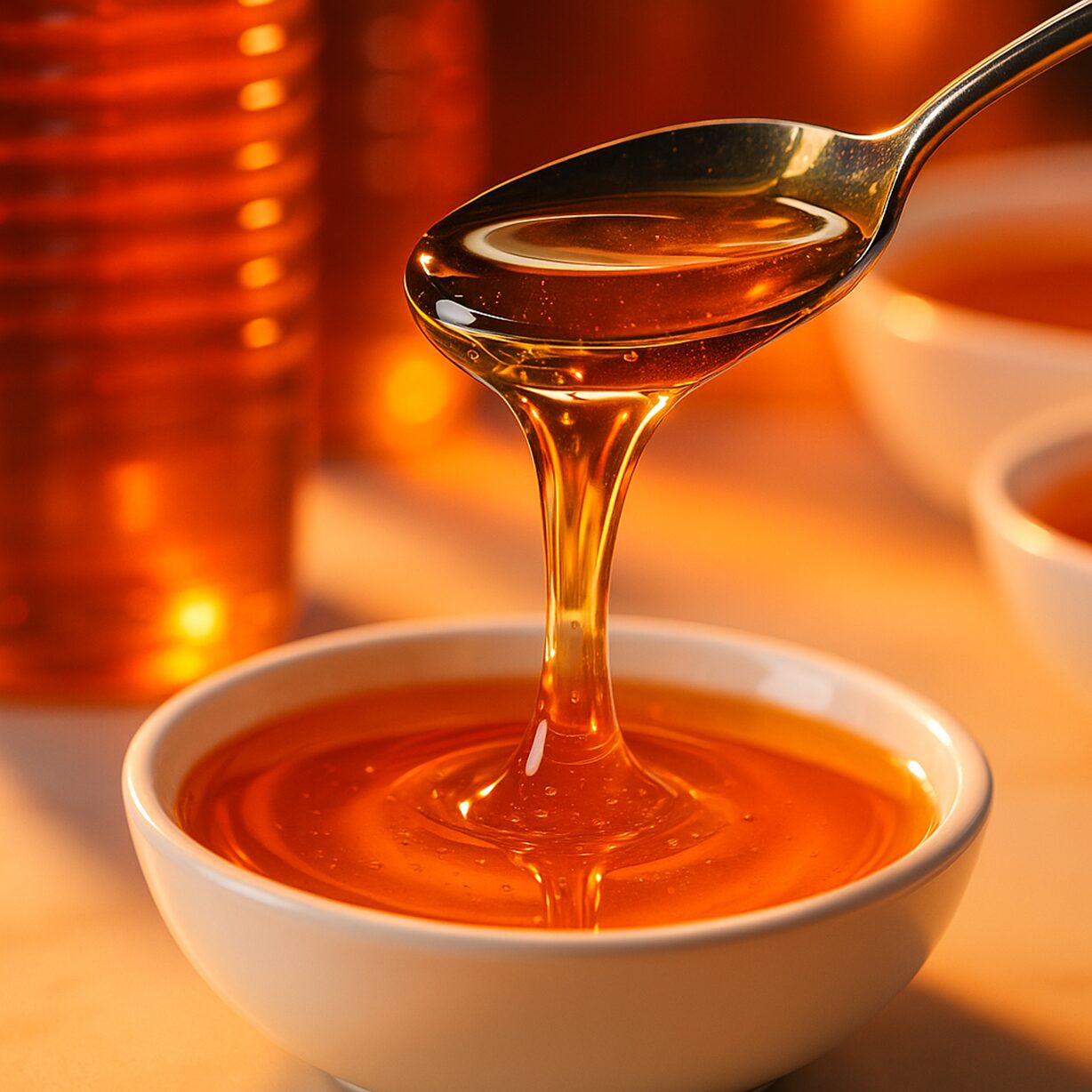

Honey Can Last For Centuries Without Spoiling Thanks To Its Natural Composition, Low pH, And Simple Storage Care. Understand Why It Withstands The Test Of Time Without Losing Its Properties.
Honey is one of the few foods that defies time. Its reputation for never spoiling intrigues many, and science confirms: if well stored, it can last for decades, even centuries.
This resistance to deterioration is not a myth. It is a direct result of its natural properties and the production process done by bees.
Why Honey Doesn’t Spoil
The explanation lies in the unique combination of factors present in honey.
-
14-Year-Old Girl Develops Solar-Powered Water Purification System for India, Eliminating Need for Electricity or Chemicals

-
Forgotten Canadian Machine Harnessed Waterfall Power to Supply Mines with Compressed Air for 70 Years Without Motors or Electricity
-
Berries, Strawberries, and Blueberries Could Transform Agriculture in Northeastern Brazil, New Tests Reveal

-
Danish Resident Discovers Six Viking Gold Bracelets Weighing 762.5 Grams, Third Largest Gold Treasure in Denmark


It has a high sugar level and a low pH, creating an acidic environment.
This acidity makes honey a hostile place for the growth of bacteria and mold.
Additionally, it contains hydrogen peroxide, which acts as a natural disinfectant, preventing the proliferation of microorganisms.
Bees play an essential role in this process. During production, they remove moisture from the collected nectar, further concentrating the sugar and sealing the food with wax.
This transforms honey into a stable substance, resistant to fermentation and decomposition.
Conditions For Honey To Last For Centuries
For honey to maintain this durability, two care measures are essential. First, it must be completely natural, without additives or industrial processing.
Second, it should be stored properly. This means keeping it away from moisture and well-sealed, in jars that do not allow air in.
The longevity of the product directly depends on its preservation method. Under ideal conditions, it can span generations without losing its main qualities.
But What About The Expiration Date On The Label?
Even though it’s almost eternal, honey sold in supermarkets usually has an expiration date. This may seem contradictory, but there’s an explanation.
The indicated validity serves to ensure that the consumer will have access to the product in its freshest state.
Typically, the recommendation is to consume it within two years. After that period, honey may darken, slightly change flavor, or crystallize.
These changes, however, do not indicate that the food is spoiled. On the contrary: they are signs that it is natural and has not undergone chemical processes.
Tips For Proper Storage
To ensure that honey remains edible for many years, just follow simple care. Ideally, use glass containers with tightly sealed lids. Each type of honey requires a specific way of storage:
- Creamy honey, common in Europe, can be refrigerated as it is already crystallized.
- Raw, unprocessed honey should be stored in a dark place with a temperature between 18 and 24 degrees Celsius.
- Pasteurized honey, more common in supermarkets, should be kept in cabinets away from direct light.
Another useful tip is freezing. Honey can be frozen to preserve its flavor and color longer, as long as clean utensils are used when handling it. This prevents any type of contamination and keeps its quality intact.
One Last Important Piece Of Information
Even if honey changes texture or becomes thicker over time, it remains safe for consumption.
Crystallization, in fact, is proof that honey is natural. These signs should not be confused with deterioration. Just gently heat it in a water bath to return it to its original consistency.